
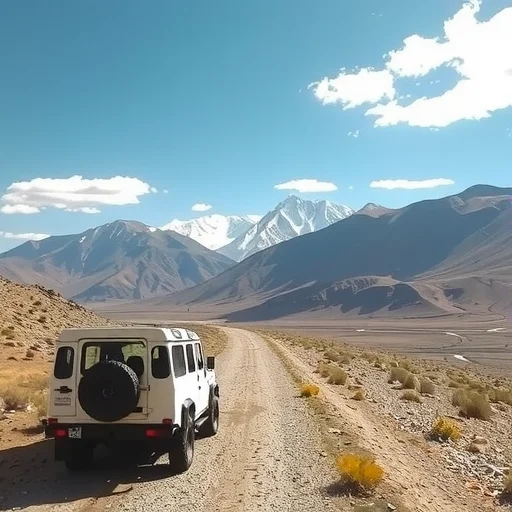
Traveling to Tibet can be a dream come true, but the process of planning a self-driving trip can feel overwhelming. The key to a successful journey lies in understanding the unique challenges of the region and preparing accordingly. This guide will walk you through the essential steps, from obtaining the necessary permits to choosing the best routes and packing the right gear, ensuring you have a safe, enjoyable, and unforgettable experience.
Tibet is a breathtaking destination, but it requires careful planning. Unlike other parts of China, Tibet has strict regulations for foreign travelers, especially those driving their own vehicles. The first thing you need to know is that you must apply for a Tibet Travel Permit (TTP) before your trip. This document is mandatory for all foreign visitors and is required to enter the region. Additionally, if you plan to drive, you will need a Permit for Foreigners to Drive in Tibet (FD Permit). These permits are not easily obtainable, so it’s crucial to start the application process well in advance. You can apply through a local travel agency or directly with the Tibet Tourism Bureau. It’s also important to note that certain areas, such as the Everest Base Camp and Mount Kailash, require additional permits, so be sure to check the requirements for your specific itinerary.
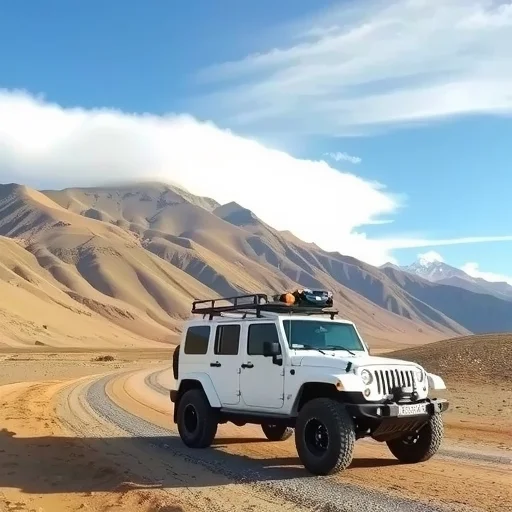
Once you have your permits, the next step is to choose the right vehicle. Driving in Tibet can be challenging due to the high altitude, rugged terrain, and unpredictable weather. A 4×4 vehicle is highly recommended, as it can handle the rough roads and steep mountain passes. Additionally, you should ensure your vehicle is well-maintained and equipped with spare parts, a first-aid kit, and a reliable navigation system. It’s also wise to carry enough fuel, as gas stations in remote areas are sparse and may not be available at all.
Packing the right gear is essential for a comfortable and safe trip. Tibet has a high altitude, so you should bring warm clothing, including a heavy jacket, gloves, and a hat. Sun protection is also crucial, as the sun can be extremely strong at high altitudes. You should also bring a reusable water bottle, as bottled water can be expensive and not always available. Additionally, it’s important to carry enough medication for altitude sickness, as it is a common issue for first-time visitors. You may also want to bring a portable power bank to charge your electronics, as power outlets can be limited in some areas.
When planning your route, consider the best time to visit. The ideal time to travel to Tibet is between April and October, when the weather is more stable and the roads are accessible. However, if you’re looking for a quieter experience, visiting during the off-peak season can be rewarding, though it may come with some challenges such as fewer amenities and less frequent transportation. Be sure to plan your route carefully, taking into account the altitude changes, road conditions, and the time required to acclimate to the environment.
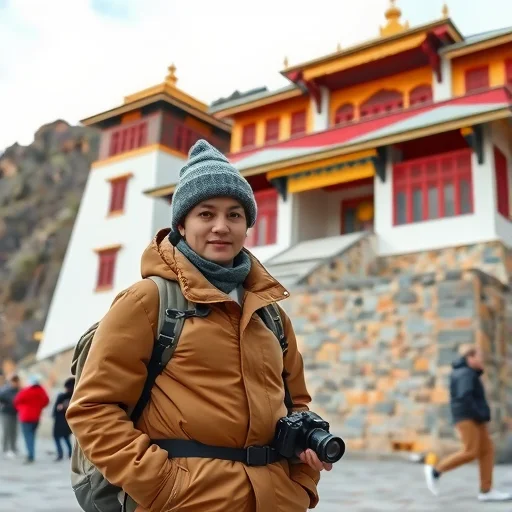
A great example of a successful self-driving trip is a traveler who planned a 10-day itinerary starting from Lhasa, visiting the Potala Palace, the Jokhang Temple, and the Yamdrok Lake. They obtained all the necessary permits well in advance, chose a reliable 4×4 vehicle, and packed appropriately for the high altitude. They also allowed time for acclimatization, which helped them avoid altitude sickness. Their journey was smooth, and they were able to enjoy the stunning landscapes and cultural sites without any major issues.
It’s also important to be respectful of the local culture and environment. Tibet is home to the Tibetan people, who have a rich and unique heritage. Be mindful of local customs, such as removing your shoes before entering a monastery and not photographing monks or religious symbols without permission. Additionally, it’s important to follow the rules of the national parks and nature reserves, as they are protected areas with strict regulations to preserve the environment.
Finally, be prepared for the unexpected. Traveling in Tibet can be unpredictable, with weather conditions changing rapidly. Always have a backup plan, and be flexible with your schedule. If you encounter any problems, such as a vehicle breakdown or a sudden change in weather, stay calm and seek help from local authorities or your travel agency. With proper preparation and a positive attitude, your self-driving trip to Tibet can be one of the most memorable experiences of your life. A well-planned self-driving trip to Tibet can be safe and unforgettable.
SelfDrivingGuide#

The guide was very helpful. I followed the steps and got all the permits before my trip. It made everything so much smoother. I can’t wait to go!
I’m a first-time traveler to Tibet and found this article extremely useful. It covered everything from permits to packing tips. I feel more confident now.
I had no idea about the permits and the vehicle requirements. This article saved me from a lot of stress. Definitely recommend it to anyone planning a trip to Tibet.
The step-by-step approach made it easy to understand. I’ll definitely refer back to this guide when planning my trip next year.
This is one of the most comprehensive guides I’ve seen. It’s clear, practical, and covers all the important details. Thank you for sharing it.