
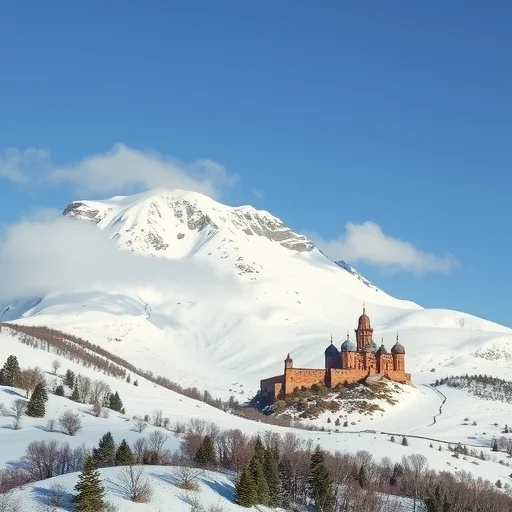
Winter travel to Tibet is often seen as a challenge due to the extreme cold, high altitude, and limited accessibility. However, with the right preparation, it can be one of the most rewarding experiences of your life. This guide will walk you through everything you need to know to make your winter trip to Tibet safe, comfortable, and unforgettable.
Tibet is known for its breathtaking landscapes, ancient monasteries, and rich cultural heritage. While the region is most popular during the warmer months, winter offers a unique opportunity to experience the land in a different light. The snow-covered mountains, clear skies, and fewer crowds make it an ideal time for those who want to explore Tibet without the usual summer rush. However, winter travel requires careful planning to ensure a smooth and enjoyable journey.
One of the biggest challenges of winter travel in Tibet is the cold. Temperatures can drop well below freezing, especially at night. It’s essential to pack warm clothing, including thermal layers, insulated jackets, and waterproof gear. High-altitude sickness is also a concern, so acclimatization is crucial. Additionally, some roads and mountain passes may be closed due to snow, which can affect travel itineraries.
To make the most of your winter trip, you should plan your itinerary carefully. Start by choosing the right time to visit. The best months for winter travel are December to February, when the weather is generally the mildest. However, even during this period, temperatures can vary significantly depending on the region. It’s important to research the specific conditions of the areas you plan to visit.
Another key aspect of winter travel in Tibet is transportation. While major cities like Lhasa and Shigatse remain accessible year-round, some remote areas may have limited access. It’s advisable to book flights and accommodations in advance, especially during peak winter months. You should also be aware of the travel restrictions and regulations, as certain areas may require special permits.
When preparing for your trip, it’s important to consider the health aspects. Make sure to bring medications for altitude sickness, colds, and other common ailments. Staying hydrated is crucial, as dehydration can worsen altitude sickness. It’s also a good idea to carry a portable oxygen bottle, especially if you plan to visit high-altitude regions like Mount Kailash or the Everest Base Camp.
Food and accommodation are also important considerations. Many hotels and guesthouses in Tibet offer heating, but it’s wise to check in advance. Local cuisine, such as Tibetan butter tea and tsampa, can help with acclimatization. Eating warm, nutrient-rich meals will keep you energized throughout the day.
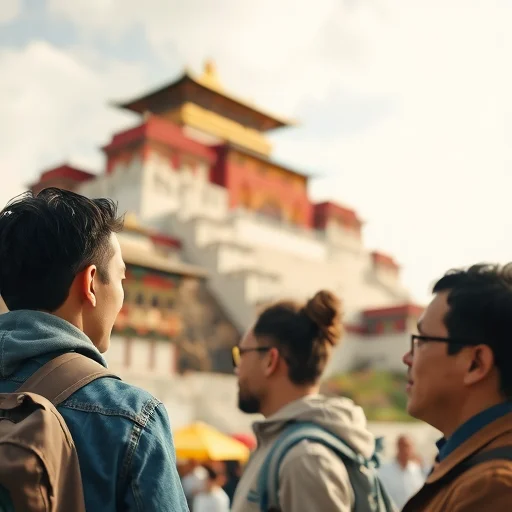
A well-planned itinerary can make all the difference. Start with a visit to Lhasa, where you can explore the Potala Palace, Jokhang Temple, and Norbulingka. From there, you can travel to the sacred mountain of Mount Kailash, which is a popular pilgrimage site. The journey to Kailash involves a long drive through remote areas, so it’s best to take your time and allow for rest days.
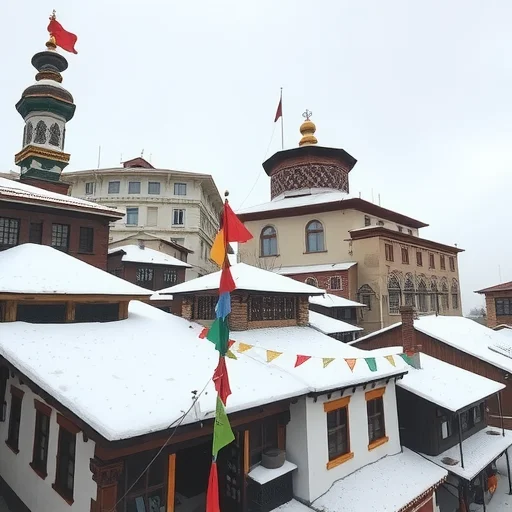
One of the highlights of winter travel in Tibet is the opportunity to see the region in its purest form. Snow-covered landscapes, clear skies, and the quiet solitude of the mountains create a magical atmosphere. However, it’s important to respect the local culture and environment. Be mindful of your impact on the fragile ecosystem and follow the rules of the national parks and protected areas.
For those who are up for the challenge, winter travel in Tibet offers a unique and unforgettable experience. With proper preparation, you can enjoy the beauty of the region in a way that is less crowded and more serene. The key is to plan ahead, stay informed, and embrace the adventure.
Many travelers find that the rewards of winter travel in Tibet far outweigh the challenges. The sense of peace, the stunning natural beauty, and the opportunity to connect with the local culture make it a worthwhile endeavor. However, it’s important to approach the trip with a realistic mindset and be prepared for the unexpected.
If you’re looking for a different kind of adventure, winter travel in Tibet is the perfect choice. The combination of natural beauty, cultural richness, and the challenge of the elements makes it a unique and memorable experience. With the right preparation and mindset, you can make the most of your trip and create lasting memories. A winter trip to Tibet is a unique and unforgettable experience.
WinterTravel#

This article is exactly what I needed. I’m planning a winter trip and the preparation tips will be invaluable. Can’t wait to experience Tibet in the cold!
Exploring Tibet in winter sounds intimidating, but this guide makes it feel doable. I’m really interested in the tips for staying warm and safe.
I’ve never considered traveling to Tibet in winter before, but the idea of snow-capped mountains and fewer crowds is tempting. Thanks for the insight!