
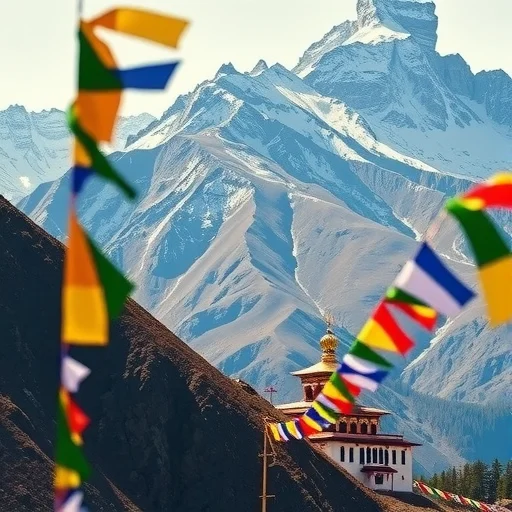
Going to Tibet is one of the most unforgettable experiences in the world, but it can also be one of the most complex. If you’re planning your first trip to this sacred and breathtaking region, you might be wondering: How do I prepare for a trip to Tibet? The answer is to plan carefully, understand the rules, and prepare yourself physically and mentally. This guide will walk you through everything you need to know to make your journey safe, comfortable, and meaningful.
Tibet is a unique destination with strict regulations, high altitudes, and a rich cultural heritage. Many travelers are surprised by the requirements for entering the region, the importance of acclimatization, and the need for a responsible approach to visiting this area. The key to a successful trip is preparation. This guide will cover the essential steps to take before, during, and after your visit, ensuring you have a smooth and respectful experience.
Before you even start planning your trip, it’s important to understand the basic requirements for entering Tibet. You’ll need a Tibet Travel Permit, which is not available to all travelers. This permit is required for most foreign visitors and can only be obtained through an authorized travel agency. Additionally, you’ll need a valid passport, a visa for China, and a copy of your travel insurance. It’s also important to note that certain areas of Tibet, such as the restricted zones near the borders, are not open to tourists. Make sure to check which areas you’re allowed to visit and plan your itinerary accordingly.
Another critical aspect of preparing for a trip to Tibet is understanding the altitude. The average elevation in Tibet is around 4,000 meters, and some areas, like Lhasa and Mount Kailash, can reach over 5,000 meters. Altitude sickness is a common concern, so it’s essential to acclimatize properly. Start your journey in Lhasa, allow yourself a few days to adjust, and avoid strenuous activities during the first few days. Drinking plenty of water, avoiding alcohol, and eating light meals can help reduce the risk of altitude sickness.
Transportation to Tibet can also be a challenge. The most common way to reach Tibet is by flying into Lhasa Gonggar Airport, which is the main gateway. However, there are also road routes that pass through the Qinghai-Tibet Highway, which is a long and scenic journey but requires careful planning. If you’re driving or traveling by bus, you’ll need to be prepared for long distances, unpredictable weather, and potential delays. It’s also important to consider the best time to visit. The ideal months are April to June and September to October, when the weather is more pleasant and the skies are clear. Avoid visiting during the winter months, as roads can be closed and temperatures can be extremely cold.
Once you’re in Tibet, it’s important to respect the local culture and traditions. Tibet is home to the Dalai Lama and has a deep spiritual significance for many people. Be mindful of your behavior in temples and monasteries, and avoid sensitive political topics. Dress modestly, especially when visiting religious sites, and be respectful of local customs. Supporting local businesses and communities can also make a positive impact on your travel experience.
A typical itinerary might include visiting Lhasa, the Potala Palace, Jokhang Temple, and the Norbulingka Palace. From there, many travelers head to Mount Kailash for a pilgrimage, which is considered one of the most sacred journeys in the world. Others choose to explore the Yarlung Tsangpo River Valley, the Tibetan Plateau, or the remote regions of Kham and Amdo. Each destination has its own unique attractions, and it’s important to plan your route carefully based on your interests and physical condition.
For example, a traveler named Sarah visited Tibet for the first time in the spring. She started by flying into Lhasa and spent the first two days acclimatizing. She then explored the city, visited the Potala Palace, and took a short trip to the Norbulingka Palace. After a few days, she joined a group tour to Mount Kailash, where she experienced the spiritual and natural beauty of the region. She also made sure to respect the local customs and supported local businesses by staying in guesthouses and eating at local restaurants. Her trip was a mix of adventure, culture, and spiritual reflection.
In addition to the physical and cultural preparations, it’s important to have the right gear and supplies. Pack layers of clothing to deal with the changing weather, a good-quality sleeping bag, and a portable oxygen canister if you’re concerned about altitude sickness. Bring a reusable water bottle, a first-aid kit, and a reliable camera to capture the stunning landscapes. It’s also a good idea to download maps and offline navigation tools in case you lose signal in remote areas.
Lastly, be prepared for the unexpected. Tibet can be unpredictable, and things may not always go as planned. Whether it’s a sudden change in weather, a road closure, or an unexpected delay, staying flexible and patient is key. Embrace the journey, and let the experience of Tibet surprise and inspire you. A complete guide to planning a trip to Tibet.
TibetGuide#


Great advice on respecting local culture. I want to ensure I’m respectful and responsible during my visit.
Many thanks for this detailed guide! I feel more prepared to plan my trip to Tibet now.
The itinerary examples were very helpful. I’m looking forward to visiting Lhasa and Mount Kailash.
This is exactly what I needed. I didn’t know about the altitude sickness and travel permits. Very helpful.
This guide covered everything I wanted to know. I feel confident about my trip to Tibet now.