
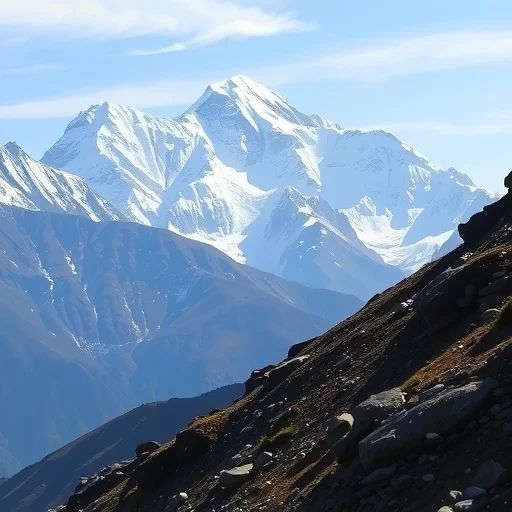
Tibet is one of the most breathtaking destinations in the world, offering a unique blend of natural beauty, cultural heritage, and spiritual significance. However, planning a Tibet tour can be overwhelming due to its remote location, high altitude, and strict regulations. The key to a successful trip lies in thorough preparation and understanding of the region’s unique challenges. With the right approach, you can enjoy a safe, comfortable, and unforgettable journey through the Roof of the World.
Tibet is located in the Tibetan Plateau, which is known for its high altitude, unpredictable weather, and limited infrastructure. These factors can pose significant challenges for first-time visitors. The most common issues include altitude sickness, difficulty in obtaining permits, and navigating the region’s complex logistics. To overcome these obstacles, it’s essential to plan your trip carefully and follow a few key principles that will ensure a smooth and enjoyable experience.
First and foremost, always obtain the necessary permits before traveling to Tibet. The Tibet Travel Permit (TTP) is required for all foreign visitors, and it must be obtained through an authorized travel agency. This process can be time-consuming, so it’s best to start planning several months in advance. Additionally, you’ll need a valid passport, a visa for China, and proof of your travel itinerary. It’s also important to note that certain areas, such as Mount Kailash and Lake Manasarovar, require special permits and are only accessible to a limited number of tourists each year.
Another crucial consideration is acclimatization. Tibet’s average elevation is over 4,000 meters, and the thin air can lead to altitude sickness. To avoid this, it’s recommended to spend at least one to two days in Lhasa, the capital city, to allow your body to adjust. During this time, avoid strenuous activities and stay hydrated. It’s also a good idea to carry medications such as acetazolamide, which can help alleviate symptoms of altitude sickness.
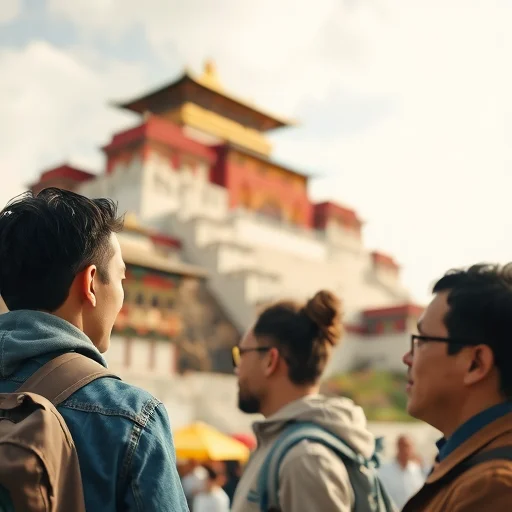
Once you’re settled in Lhasa, you can begin exploring the region’s iconic landmarks. The Potala Palace, a UNESCO World Heritage Site, is a must-visit. This ancient fortress served as the winter residence of the Dalai Lama and offers stunning views of the city. Another highlight is the Jokhang Temple, one of the most sacred sites in Tibetan Buddhism. The temple is home to the revered Jowo Rinpoche statue and is a place of deep spiritual significance.
For those seeking a more adventurous experience, a pilgrimage to Mount Kailash and Lake Manasarovar is highly recommended. This sacred journey involves a 50-kilometer trek around the mountain, which is considered one of the holiest sites in the world for several religions. It’s important to note that this trip requires a special permit and is only open to a limited number of tourists each year. The trek is physically demanding, so it’s best to prepare in advance with proper training and equipment.
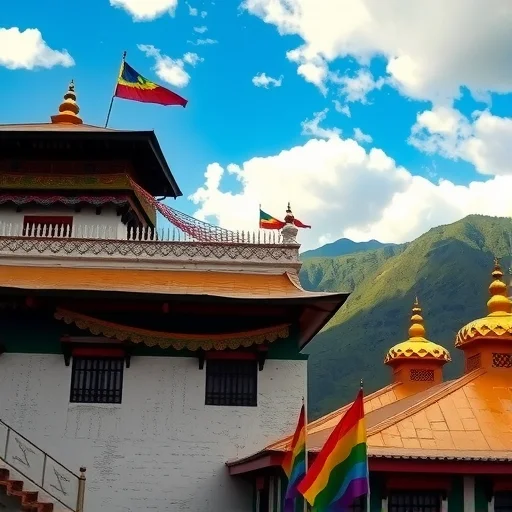
In addition to these attractions, Tibet is home to a rich cultural heritage that is worth exploring. The monasteries of Tibet, such as the Sera Monastery and the Drepung Monastery, offer insight into the region’s religious and historical significance. These monasteries are not only architectural marvels but also serve as centers of learning and spiritual practice. Visiting these sites can provide a deeper understanding of Tibetan Buddhism and its influence on the region’s culture.
When planning your itinerary, it’s also important to consider the best times to visit Tibet. The ideal months are April to May and September to October, when the weather is more temperate and the skies are clear. During these months, you can enjoy the vibrant spring blossoms and the golden hues of autumn. Avoid traveling during the winter months, as the weather can be harsh and the roads may be closed due to snow.
To make the most of your trip, it’s advisable to hire a local guide who is familiar with the region’s history, culture, and customs. A guide can help you navigate the area, provide insights into the local way of life, and ensure that you follow the rules and regulations set by the Chinese government. It’s also important to respect the local culture and traditions, as Tibet is a region with deep spiritual and cultural significance.
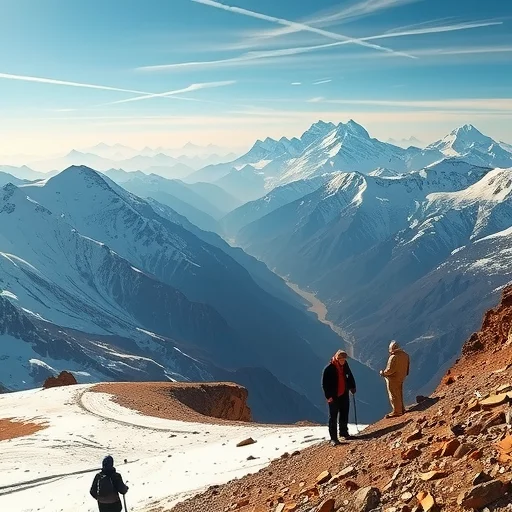
A real-world example of a successful Tibet tour is the experience of a group of travelers who visited Tibet in the spring. They started their journey in Lhasa, spent a few days acclimatizing, and then embarked on a pilgrimage to Mount Kailash. With the help of a local guide, they were able to navigate the challenging terrain and complete the trek safely. They also visited several monasteries and cultural sites, which provided them with a deeper understanding of Tibetan Buddhism. Their experience was not only physically rewarding but also spiritually enriching.
Overall, planning a Tibet tour requires careful preparation, respect for the local culture, and a willingness to adapt to the unique challenges of the region. By following these tips and principles, you can ensure that your trip is both safe and unforgettable. Whether you’re drawn to the spiritual significance of Tibet or its breathtaking landscapes, the experience of visiting this remarkable region is one that will stay with you for a lifetime. A well-planned Tibet tour offers unforgettable experiences.
TibetCulture#

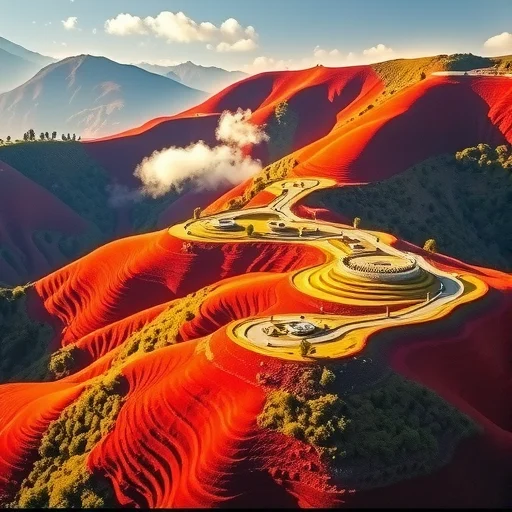
Traveling to Tibet was the best decision I’ve made. The landscapes and culture are beyond words. I’ll definitely return!
The pilgrimage to Mount Kailash was life-changing. The spiritual energy there is incredible.
Tibet is a hidden gem. The people are friendly, and the views are simply stunning.
I had altitude sickness at first, but the acclimatization plan worked. Now I’m in love with the place!
The guide we hired was incredibly knowledgeable and made our trip so much more meaningful. Highly recommend!