
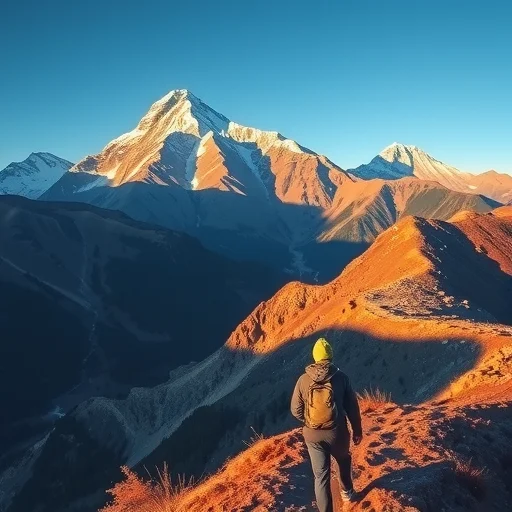
Getting the most out of your Tibet trek requires careful planning, understanding the terrain, and knowing what to expect. This guide will walk you through everything you need to know to plan a safe and unforgettable trek in Tibet.
Tibet is a breathtaking destination, but it’s also a challenging one. The high altitude, unpredictable weather, and remote locations mean that proper preparation is essential. Whether you’re a seasoned hiker or a first-time traveler, knowing the right steps can make all the difference in ensuring a successful trek. This guide will cover the essentials, from choosing the right route to packing the right gear, and even provide a real-life example of a successful trek.
Before you start planning your trek, it’s important to understand the basics of trekking in Tibet. The region is known for its stunning landscapes, including the Himalayas, sacred monasteries, and ancient trails. However, it’s also home to high altitudes, which can lead to altitude sickness, and unpredictable weather that can change rapidly. These factors mean that you need to be prepared for both physical and environmental challenges.
One of the most important aspects of planning a Tibet trek is choosing the right route. Tibet offers a variety of trekking options, ranging from short, easy hikes to multi-day expeditions. Popular routes include the Mount Kailash Circuit, the Yamdrok Lake Trek, and the Everest Base Camp Trek. Each route has its own unique challenges and rewards, so it’s important to choose one that matches your fitness level and experience.
Once you’ve selected a route, the next step is to research the logistics. This includes understanding the permits required, the best time to trek, and the necessary equipment. For example, the Tibet Travel Permit is mandatory for most foreign travelers, and you’ll need to apply for it in advance. Additionally, you should check the weather forecast for the specific region you plan to visit, as conditions can change rapidly in the high-altitude environment.
Packing the right gear is another crucial step in preparing for a Tibet trek. You’ll need to bring warm clothing, a reliable backpack, and a good pair of hiking boots. It’s also important to carry enough food and water, as well as a first-aid kit and navigation tools. A good pair of sunglasses and sunscreen is essential, as the sun can be very intense at high altitudes.
Another important consideration is the physical preparation. Trekking in Tibet can be physically demanding, so it’s a good idea to start training several weeks before your trip. This includes building up your endurance, practicing hiking with a backpack, and gradually increasing your altitude exposure. It’s also a good idea to consult with a doctor before your trip, especially if you have any pre-existing medical conditions.
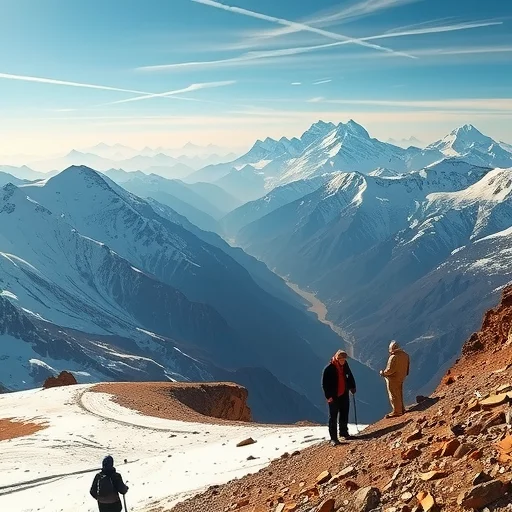
Let’s take a look at a real-life example of a successful Tibet trek. Sarah, a first-time hiker, decided to trek the Yamdrok Lake Circuit. She spent several months preparing, including researching the route, obtaining the necessary permits, and buying the right gear. She also trained by hiking with a backpack and gradually increased her altitude exposure. On the day of the trek, she followed a well-planned itinerary, stayed hydrated, and took regular breaks to acclimatize. Her preparation paid off, and she had an amazing experience, with stunning views and a sense of accomplishment.
In addition to physical preparation, it’s important to be mentally prepared for the challenges of trekking in Tibet. The journey can be long and demanding, and it’s important to stay positive and patient. It’s also a good idea to travel with a guide or join a group, as this can provide support and ensure your safety.
Another key aspect of planning a Tibet trek is understanding the cultural and religious significance of the region. Tibet is home to many sacred sites, and it’s important to respect local customs and traditions. This includes dressing modestly, following local etiquette, and being mindful of the environment. By showing respect for the culture and environment, you’ll not only have a more meaningful experience but also contribute to the preservation of the region.
Finally, it’s important to have a backup plan. Things can go wrong, and it’s essential to be prepared for unexpected situations. This includes having a contingency plan for bad weather, knowing the nearest medical facilities, and having a reliable means of communication. By being prepared for the unexpected, you can ensure that your trek remains safe and enjoyable. A well-planned Tibet trek ensures safety, enjoyment, and cultural respect.
TrekkingPreparation#

The real-life example made everything clearer. I feel more confident now about planning my own trek.
I’m planning my first trek and this is exactly what I needed. The advice on permits and gear was especially useful.
The preparation tips are thorough. I’ll definitely follow them to ensure a safe and enjoyable experience.
This guide has been incredibly helpful. I followed all the steps and had an amazing trek in Tibet. Thank you!
I appreciate the emphasis on cultural respect. It’s important to be mindful of the local traditions while trekking.