
When planning a mountain hike, the most common question is: *What should I pack to ensure a safe and enjoyable experience?* The answer lies in thorough preparation, understanding the essentials, and following a structured plan. Whether you’re a seasoned hiker or a beginner, knowing what to bring and how to prepare can make all the difference in your mountain adventure.
Mountain hiking is not just about reaching the summit—it’s about being prepared for unpredictable weather, physical challenges, and potential emergencies. The core solution is to create a comprehensive checklist that includes gear, food, navigation tools, and first aid supplies. By organizing your items and understanding the principles of outdoor safety, you can minimize risks and maximize your enjoyment.
Before you set off, it’s crucial to research the trail. Each mountain has its own conditions, elevation changes, and wildlife. For example, a hike in the Himalayas will require different gear compared to a trail in the Rocky Mountains. Knowing the trail difficulty, expected weather, and potential hazards is the first step in ensuring your safety. Additionally, it’s important to check the weather forecast a few days in advance and adjust your plans accordingly.
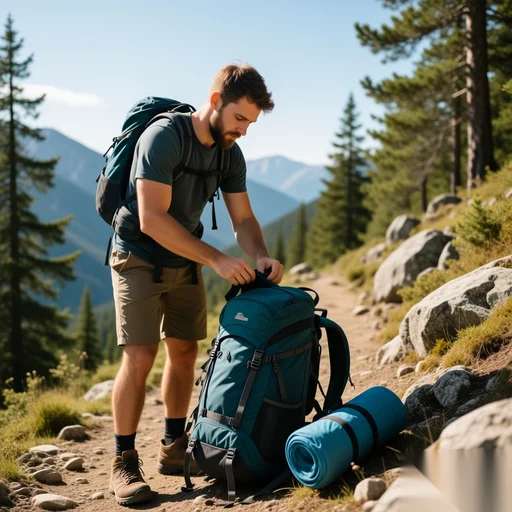
Next, pack the essentials. A reliable backpack is your first investment. Choose one that fits your body type and has enough space for your gear. A good quality hiking boots are equally important—make sure they’re broken in before your trip to avoid blisters. Clothing should be layered, allowing you to adjust to temperature changes. Moisture-wicking fabrics are a must, as they help regulate body temperature and prevent hypothermia. Don’t forget a rain jacket and insulated clothing for cold weather.
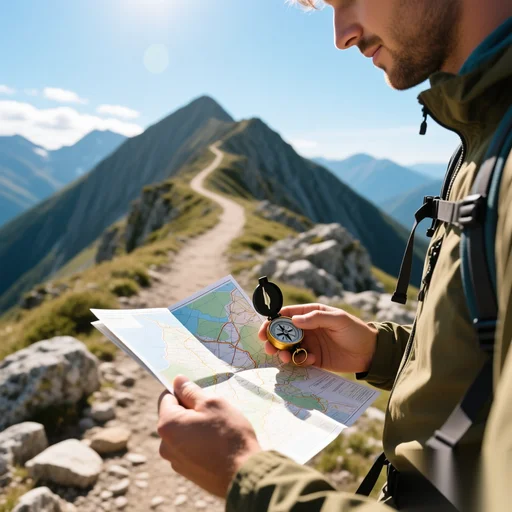
Navigation tools are another critical component. A map and compass are always better than relying solely on your phone, especially in areas with poor signal. A GPS device can be useful, but it should never be your only tool. Learning basic navigation skills can save your life in an emergency. Additionally, carry a whistle, a headlamp with extra batteries, and a first aid kit. These small items can make a big difference in case of an unexpected situation.
Food and water are also essential. Pack high-energy snacks like nuts, dried fruit, and energy bars to keep your stamina up. Dehydrated meals are convenient and lightweight. Always carry enough water—aim for at least 2 liters per person per day. If the trail has water sources, bring a water filter or purification tablets to ensure the water is safe to drink.
Now, let’s look at a real-life example. Sarah, a first-time hiker, decided to tackle a 10-mile trail in the Rockies. She researched the trail, checked the weather, and packed her essentials. She wore layers, brought a rain jacket, and carried a map and compass. During the hike, she encountered a sudden storm and used her shelter to stay safe. Thanks to her preparation, she was able to complete the hike without any major issues.
Another important aspect is physical preparation. Hiking mountains requires endurance, strength, and flexibility. Start training a few weeks before your trip by doing cardio exercises like running or cycling, and strength training for your legs and core. Practice carrying a backpack with weights to simulate the load you’ll be carrying on the trail.
Lastly, always inform someone about your hiking plans. Let a friend or family member know your route, expected return time, and emergency contact information. This simple step can be lifesaving in case you get lost or injured.




This guide is incredibly thorough and covers everything I needed to know before my first mountain hike. I followed the tips and had a great experience!
I appreciate the emphasis on layering clothing. It made a huge difference in managing the weather changes on the trail.
The section on navigation tools was especially helpful. I used a compass for the first time and felt more confident in the wilderness.