
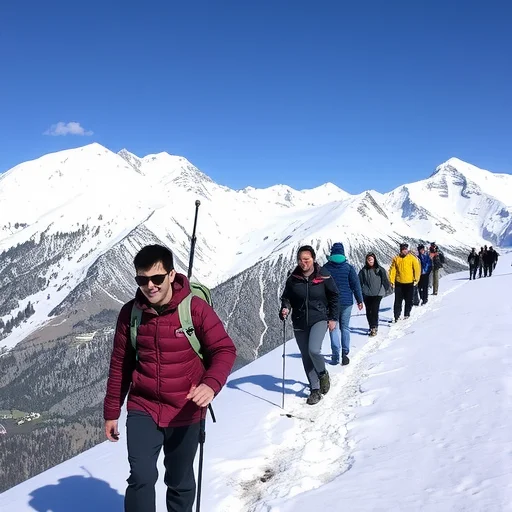
Going on a snow mountain trip can be an unforgettable experience, but it’s easy to feel overwhelmed by the planning process. The key is to start with a clear plan, understand the basics of mountain travel, and follow a step-by-step approach. This guide will walk you through everything you need to know to make your snow mountain adventure safe, enjoyable, and stress-free. Whether you’re a first-time traveler or looking to refine your skills, this guide will help you prepare for the best trip possible.
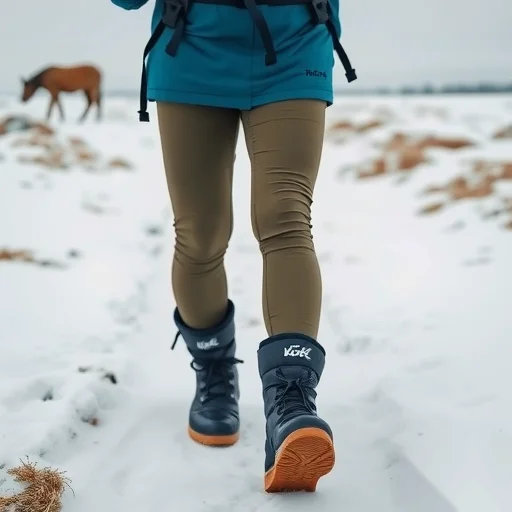
Before you even pack your bags, it’s important to understand the essentials of snow mountain travel. Unlike regular hiking, snow mountain trips require special preparation due to the cold weather, unpredictable conditions, and potential risks. First, research the destination and check the weather forecast. Choose a mountain that matches your fitness level and experience. Next, pack the right gear—thermal clothing, waterproof boots, and a reliable backpack are a must. Don’t forget to bring a first-aid kit, navigation tools, and enough food and water. Safety should always be your top priority.
Once you have your gear, the next step is to plan your itinerary. Break your trip into manageable segments, and set realistic goals for each day. For example, if you’re visiting a high-altitude mountain, start with a shorter hike and gradually increase the difficulty. This helps prevent altitude sickness and ensures you can enjoy the journey without overexerting yourself. Also, consider the time of year—some mountains are best visited in late autumn or early spring when the snow is stable and the crowds are fewer.
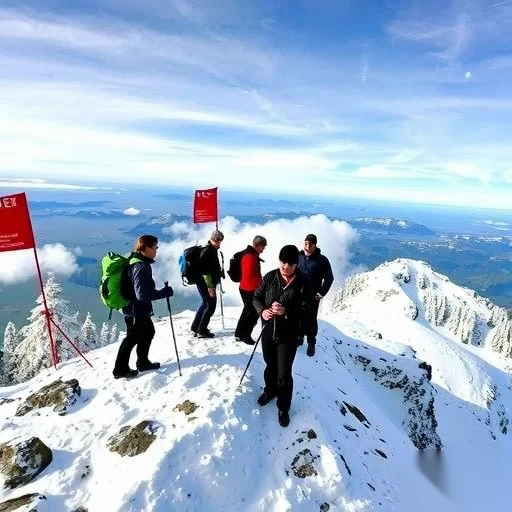
Let’s take a real case study to see how this works in practice. Sarah, a first-time snow mountain hiker, planned a trip to the Alps. She started by researching the weather and choosing a mid-season date. She packed thermal layers, waterproof gear, and a lightweight tent. She divided her trip into three days: the first day was a short hike to a mountain lodge, the second day was a moderate climb to a summit, and the third day was a return journey with a guided tour. By following this structured plan, she avoided common mistakes like overpacking or underestimating the altitude. Her trip was not only safe but also incredibly rewarding.
Another important aspect of planning a snow mountain trip is knowing the local regulations and guidelines. Many mountain areas have restrictions on camping, hiking hours, and waste disposal. Always check with local authorities or tour operators for the latest rules. Also, consider hiring a local guide if you’re unfamiliar with the terrain. A guide can help you navigate the trails, avoid dangerous areas, and provide valuable insights into the local culture and environment.
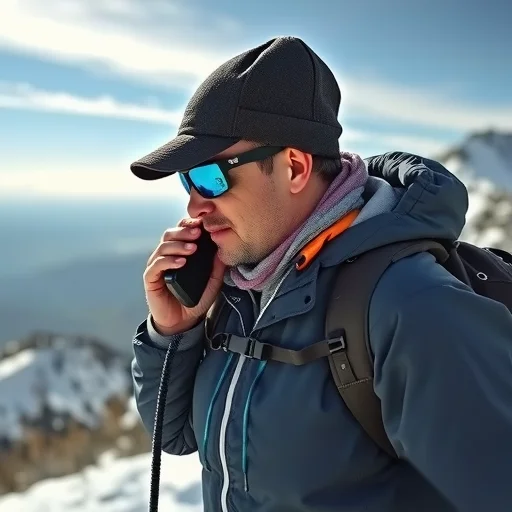
Communication is another key factor. Make sure someone knows your travel plans, including your expected return time and the route you’ll be taking. Carry a fully charged phone or a satellite communicator in case of emergencies. It’s also a good idea to share your itinerary with a trusted friend or family member. In remote areas, it’s easy to be out of reach, so being prepared can make all the difference.
Lastly, don’t forget to enjoy the experience. Snow mountain trips are not just about the destination—they’re about the journey, the breathtaking views, and the sense of accomplishment. Take time to appreciate the natural beauty around you, and don’t rush through the trip. Whether you’re hiking, skiing, or simply relaxing in a mountain lodge, the key is to stay present and enjoy every moment.





The tips on gear and safety were exactly what I needed. I feel more confident now about planning my own trip.
I’m a first-time hiker and this made everything so clear. The case study was especially useful. Thank you!
This guide was super helpful! I followed the steps and had an amazing trip to the Rockies. I’ll definitely use this for my next adventure.