
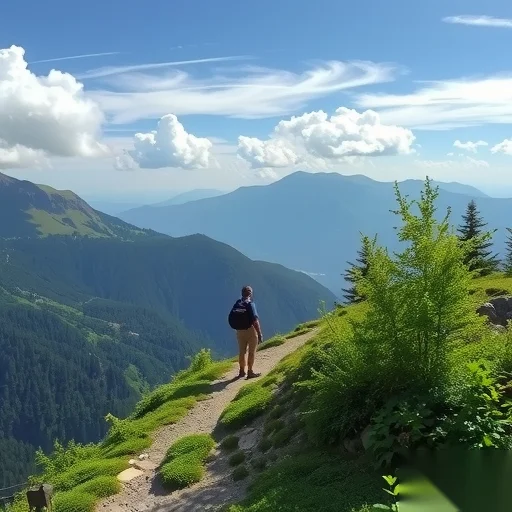
When planning a mountain scenic area tour, the key is to balance preparation, safety, and enjoyment. Whether you’re a first-time hiker or a seasoned adventurer, knowing the right steps can make all the difference. This guide will walk you through everything you need to know to plan a successful mountain trip, from choosing the right trail to packing the essentials.
Mountain tourism has become increasingly popular, but it also comes with its own set of challenges. From unpredictable weather to physical demands, there are many factors to consider. One of the most common mistakes travelers make is underestimating the difficulty of the terrain or failing to prepare adequately. To avoid these pitfalls, it’s essential to approach your mountain tour with a clear plan and a proactive mindset.
The first step in planning a mountain tour is to research the destination thoroughly. Start by understanding the local climate, trail difficulty, and any seasonal restrictions. For example, some trails may be closed during the winter months due to snow, while others might require permits for entry. You should also look into the best times to visit, whether it’s for scenic views, wildlife spotting, or photography.
Next, consider the physical demands of the trip. Mountain hiking can be physically taxing, so it’s important to assess your fitness level and choose a trail that matches your abilities. Beginners might want to start with shorter, well-marked trails, while more experienced hikers can tackle longer or more challenging routes. Always check the trail’s elevation gain, length, and estimated hiking time to ensure it aligns with your goals.
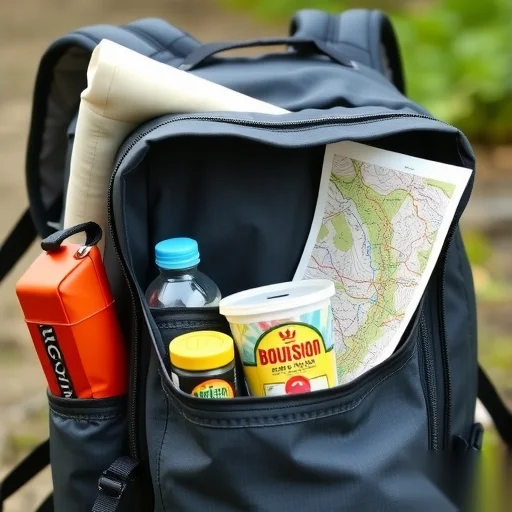
Packing the right gear is another crucial step in mountain tourism. A well-organized backpack with essential items can make or break your experience. Make sure to include comfortable hiking shoes, weather-appropriate clothing, a first-aid kit, and enough water and food for the duration of the trip. Don’t forget to bring a map, compass, or GPS device, especially if you’re venturing into remote areas.
Safety should always be a top priority. Familiarize yourself with the local emergency procedures and ensure that someone knows your itinerary. It’s also wise to carry a fully charged phone and a portable power bank, as signal strength can be unreliable in mountainous regions. In case of an emergency, knowing how to signal for help or navigate back to safety can be lifesaving.
Let’s take a real-world example to illustrate how these principles apply. Imagine you’re planning a trip to Zhangjiajie National Forest Park in China, a popular mountain destination known for its towering sandstone pillars and breathtaking views. You start by researching the park’s opening hours, trail conditions, and visitor guidelines. You then choose a trail that suits your fitness level, such as the Glass Bridge or the Tianmen Mountain Trail. You pack your gear accordingly, including waterproof clothing, hiking poles, and a reusable water bottle. Finally, you inform a friend about your plans and carry a fully charged phone. By following these steps, you’re well-prepared for a safe and enjoyable mountain experience.
Another important aspect of mountain tourism is respecting the environment. Mountain areas are often fragile ecosystems, so it’s crucial to follow the principles of Leave No Trace. This includes properly disposing of waste, staying on designated trails, and avoiding disturbing wildlife. By being mindful of your impact, you help preserve the natural beauty of these areas for future visitors.
Lastly, consider the cultural and historical significance of the mountain area you’re visiting. Many mountain regions have rich histories and local traditions that add depth to your experience. Learning a few basic phrases in the local language, or understanding the cultural practices of the area, can enhance your connection to the place and make your trip more meaningful.
In summary, planning a mountain scenic area tour requires careful preparation, attention to safety, and a respect for the environment. By following these steps, you can ensure a rewarding and memorable experience. Whether you’re hiking through the misty peaks of the Himalayas or exploring the lush forests of the Andes, a well-planned trip can make all the difference.



The section on safety was especially useful. I didn’t realize how important it is to inform someone about your plans. Definitely going to do that now!
This guide is incredibly helpful! I’ve been planning a trip to the Rockies and this gives me a clear roadmap to follow. Thanks for the tips!
The example with Zhangjiajie made it easier to visualize the process. I can see how applying these steps to other destinations would work too.