
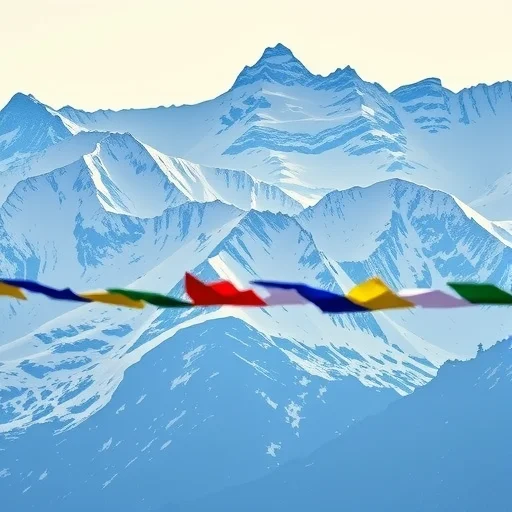
Traveling to Tibet is a dream for many, but the journey can be overwhelming with so many details to consider. The key to a successful trip lies in proper planning, understanding the unique environment, and knowing what to expect. This guide will help you navigate the challenges of visiting Tibet and ensure you have an unforgettable experience.
Tibet is a region of extreme altitude, breathtaking landscapes, and rich cultural heritage. However, it also has strict regulations, limited accessibility, and specific requirements for travelers. Without proper preparation, you might miss out on the beauty of this land or face unnecessary difficulties. The solution is to plan your trip carefully, ensuring you meet all entry requirements, understand the local culture, and prepare for the physical and environmental challenges.
One of the first things to consider is your travel documents. Foreigners need a Tibet Travel Permit (TTP), which is different from a regular visa. This permit is required to enter certain areas, including Lhasa, the Potala Palace, and the Everest Base Camp. You can apply for the TTP through a licensed travel agency, and it’s essential to do this well in advance. Additionally, you’ll need a valid passport with at least six months of validity.
Another important aspect is acclimatization. Tibet is known for its high altitude, with many areas exceeding 4,000 meters above sea level. The thin air can cause altitude sickness, which can be uncomfortable or even dangerous. To avoid this, it’s recommended to spend at least two days in Lhasa before heading to higher altitudes. Drinking plenty of water, avoiding alcohol, and moving slowly are also helpful.
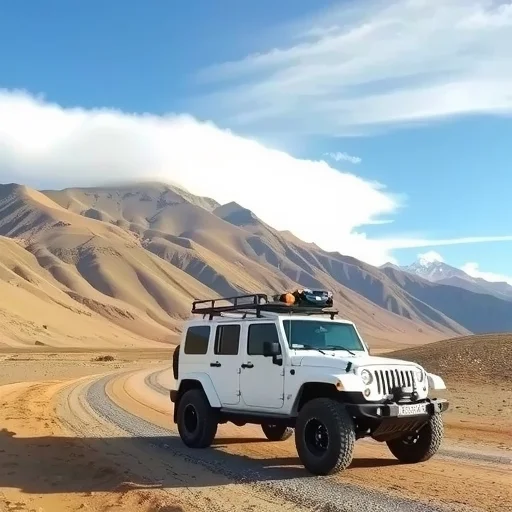
Transportation in Tibet is another key consideration. The region is vast, and many areas are only accessible by road or air. The Qinghai-Tibet Highway is one of the most famous routes, but it can be challenging for first-time travelers. It’s best to travel with a reliable tour guide who is familiar with the terrain and can help you navigate the roads safely. Flights are also an option, especially for reaching remote areas like Shigatse or Mount Kailash.
Accommodation in Tibet varies from budget-friendly guesthouses to luxury hotels. In Lhasa, you’ll find a range of options, but in more remote areas, choices are limited. It’s advisable to book accommodations in advance, especially during peak travel seasons such as late spring and early autumn.
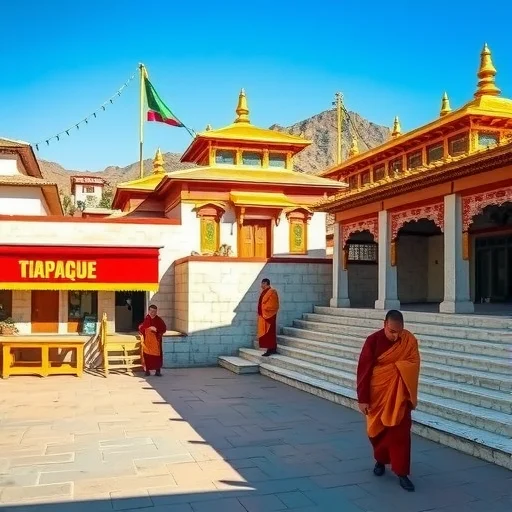
Cultural sensitivity is essential when visiting Tibet. The local people are deeply religious, and many sites are considered sacred. It’s important to respect local customs, dress modestly, and avoid touching or photographing monks and religious artifacts without permission. Learning a few basic Tibetan phrases can also go a long way in building connections with locals.
Food in Tibet is another highlight of the trip. Yak butter tea, tsampa (roasted barley flour), and Tibetan butter tea are traditional staples. You’ll also find a variety of local dishes, such as thukpa (noodle soup) and momos (dumplings). Be sure to try the local cuisine, but also stay hydrated and avoid heavy meals if you’re experiencing altitude sickness.
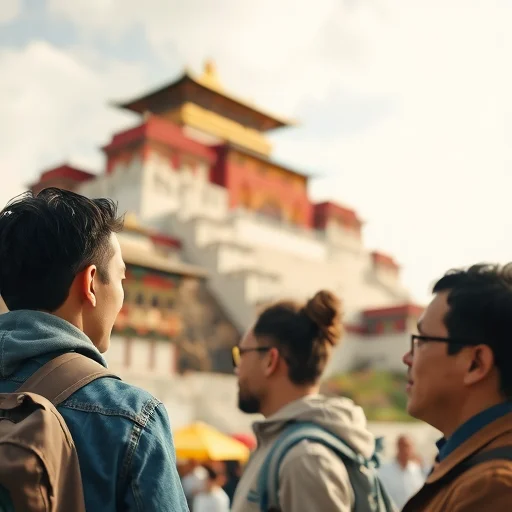
A case example of a well-planned Tibet trip would be a traveler who starts their journey in Lhasa, spends two days acclimatizing, then takes a guided tour to the Potala Palace and Jokhang Temple. After that, they travel to Mount Kailash for a spiritual pilgrimage, ensuring they have the necessary permits and equipment. This approach allows for a balanced mix of cultural exploration, natural beauty, and personal reflection.
For those who are less experienced with high-altitude travel, it’s also wise to carry medications such as Diamox (acetazolamide) to help with altitude sickness. Informing your travel agency about any pre-existing medical conditions is crucial, as they can provide additional support and guidance.
In addition to physical preparation, mental readiness is important. Tibet is a place of contrasts—peaceful monasteries, bustling markets, and remote mountain passes. It’s a place where time seems to slow down, and visitors often leave with a deeper appreciation for the region’s spiritual and natural beauty.
Finally, budgeting for your trip is essential. Tibet can be expensive, especially when considering travel permits, transportation, and accommodation. However, there are ways to keep costs manageable, such as choosing budget-friendly options and avoiding peak travel times.
By following these steps and being mindful of the unique aspects of Tibet, you can create a memorable and enriching travel experience. Whether you’re a first-time visitor or a seasoned traveler, careful planning and respect for the local culture will ensure that your journey through this mystical land is both safe and rewarding. Summary text here (max 120 chars)
A well-planned Tibet trip ensures a safe and enriching experience with cultural respect and proper preparation.
TibetPermits#

The altitude was a challenge, but the stunning landscapes and friendly people made it all worth it. I’ll definitely go back!
I followed the tips and had an amazing trip. The acclimatization period was crucial, and the local food was a highlight.
Traveling with a local guide made all the difference. I felt more connected to the culture and had a smoother experience than I expected.
The permits and documentation were a bit confusing at first, but my travel agency handled everything smoothly.
Tibet is a place that stays with you. The journey was as meaningful as the destination.