
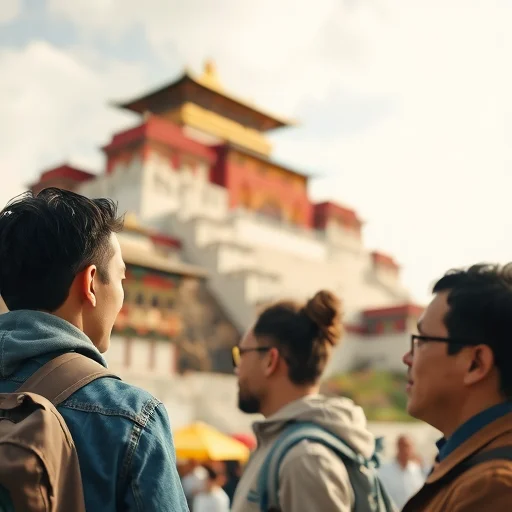
Starting your journey from Changsha to Tibet requires careful planning, especially considering the altitude, weather, and travel logistics. The key to a successful trip lies in understanding the route, acclimatizing properly, and preparing for the unique challenges of high-altitude travel. With the right approach, you can enjoy the breathtaking landscapes and rich culture of Tibet while staying safe and comfortable throughout your journey.
Changsha is located in southern China, while Tibet is in the southwest, making the journey both long and challenging. The best way to reach Tibet from Changsha is by flying to Lhasa, the capital city, and then traveling by road or air to other parts of the region. However, due to the high altitude and varying weather conditions, it’s essential to plan your trip with care. Proper acclimatization is crucial to avoid altitude sickness, and understanding the local customs and regulations will help you have a smoother experience.
First, you need to book a flight from Changsha to Lhasa. Flights are available through major airlines such as China Southern and China Eastern. The flight duration is approximately 3 hours, but it’s important to note that the journey involves a significant altitude gain. Upon arrival in Lhasa, you should spend at least one day acclimatizing to the altitude before continuing your trip. This allows your body to adjust to the lower oxygen levels, reducing the risk of altitude sickness. During this time, you can explore the city, visit the Potala Palace, and enjoy the local cuisine.
Next, you can choose to travel further into Tibet by road or by air. The most common routes from Lhasa include the drive to Shigatse, which takes about 5 hours, or flying to Gyantse or Nyingchi. Each destination offers unique experiences, such as the ancient monasteries in Shigatse or the scenic views of the Yarlung Tsangpo River in Nyingchi. If you’re planning to visit more remote areas, such as Mount Kailash or the Everest Base Camp, you’ll need to factor in additional travel time and acclimatization periods. It’s also important to consider the best time to visit, as the weather in Tibet can be unpredictable and varies significantly with altitude.
In addition to physical preparation, you should also prepare mentally and emotionally for the journey. Tibet is a place of great spiritual significance, and the pace of life is slower compared to the fast-paced cities of southern China. This means that you should be ready to embrace a more relaxed and contemplative travel experience. It’s also advisable to carry appropriate clothing, including layers for cold temperatures, and to bring medications for altitude sickness. You should also research and respect the local customs, as Tibet has its own unique cultural and religious practices.
To illustrate the planning process, let’s consider a sample itinerary. A traveler departing from Changsha on Day 1 would fly to Lhasa and spend the next day acclimatizing. On Day 3, they could take a road trip to Shigatse, spending a day there before returning to Lhasa. From there, they might fly to Nyingchi on Day 5 and spend a few days exploring the area before making their way to Mount Kailash on Day 8. Each step of the journey requires careful planning, including booking flights, arranging transportation, and ensuring that you have the necessary permits, such as the Tibet Travel Permit and Alien’s Travel Permit.
Another important aspect of planning a trip from Changsha to Tibet is understanding the visa requirements. Chinese citizens need a Tibet Travel Permit to enter the region, which can be obtained through a registered travel agency. Foreigners must also apply for a Tibet Travel Permit and may need an Alien’s Travel Permit, which can be obtained from the Chinese embassy or consulate in their home country. It’s important to start the application process early to avoid any last-minute issues.
In terms of accommodation, Tibet offers a variety of options, from luxury hotels in Lhasa to guesthouses in smaller towns. It’s advisable to book accommodations in advance, especially during peak travel seasons. Local cuisine is another highlight of the trip, with dishes such as tsampa, butter tea, and Tibetan momos offering a unique taste of the region. However, it’s important to be mindful of dietary restrictions and to consult with locals or travel guides for recommendations.
Lastly, it’s essential to stay informed about the political and social situation in Tibet. While the region is generally safe for tourists, it’s important to respect local laws and customs. Travelers should avoid sensitive political topics and be respectful of the local culture and religion. By following these guidelines, you can ensure a safe and enriching experience while exploring the beauty of Tibet. The journey from Changsha to Tibet is a rewarding adventure with proper planning and preparation.
ChangshaToTibet#

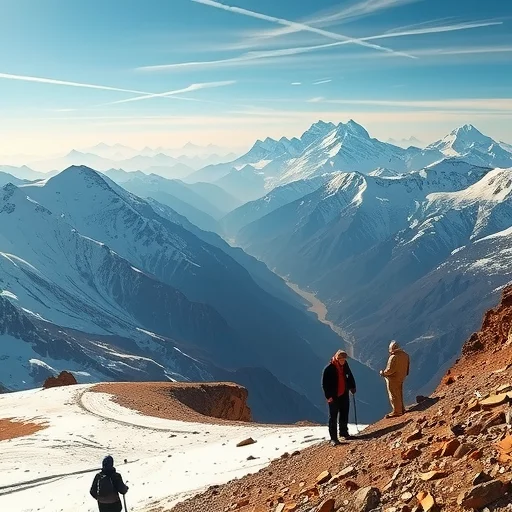
Acclimatizing properly was the most important part of my journey. I followed all the tips and had no issues with altitude sickness. It made the trip much more enjoyable.
I appreciated the emphasis on cultural respect and local customs. It made the experience more meaningful and authentic.
The trip from Changsha to Tibet was the best decision I’ve ever made. The landscapes and culture were beyond my expectations. I highly recommend it to anyone who loves adventure.
The travel permits were a bit of a hassle, but I was able to get everything sorted through the recommended agency. The rest of the trip was amazing.