
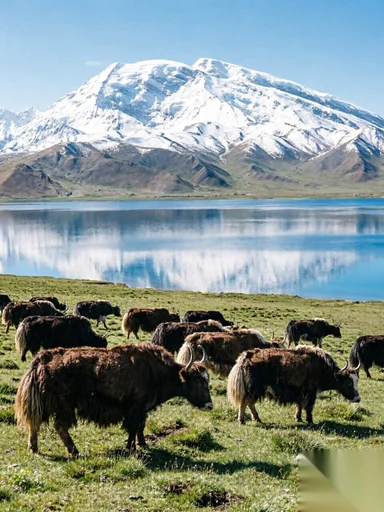
Tibet is a dream destination for many travelers, offering a unique blend of natural beauty, cultural heritage, and spiritual depth. However, planning a self-driving tour in Tibet can be a daunting task, especially for first-time visitors. From navigating the challenging terrain to understanding local customs and regulations, there are numerous factors to consider. The good news is that with proper preparation and a clear plan, you can enjoy a safe and unforgettable road trip through this incredible region. This guide will walk you through everything you need to know to plan a perfect self-driving tour in Tibet, ensuring a smooth and enriching experience.
Before you even start your journey, it’s essential to understand the unique challenges of driving in Tibet. The region is known for its high altitudes, unpredictable weather, and remote locations, which can make travel more complex. Additionally, there are strict regulations in place for foreign drivers, including the requirement to obtain a valid permit and a driver’s license. These rules are in place to ensure the safety of both drivers and the local community, so it’s crucial to familiarize yourself with them before embarking on your trip.
One of the first steps in planning your self-driving tour is to choose the right time to visit. Tibet’s weather can be extreme, with cold temperatures at night and sudden changes in weather conditions. The best time to visit is typically between May and October, when the weather is more stable and the roads are more accessible. During this period, you’ll also have the best chance to experience the region’s natural beauty, from the vibrant meadows of the Tibetan Plateau to the majestic snow-capped mountains.
Once you’ve decided on the best time to visit, the next step is to plan your route. Tibet is vast, and while there are several popular routes, such as the Tibet Ring Road or the Mount Everest Base Camp trek, it’s important to consider your driving skills, the length of your trip, and the number of days you have. A well-planned route will help you avoid unnecessary detours and ensure that you can enjoy the highlights of the region without getting stuck in remote areas.
Another important consideration is the type of vehicle you’ll be driving. Due to the high altitudes and rugged terrain, it’s recommended to choose a reliable 4×4 vehicle with a high ground clearance. Additionally, you should ensure that your car is equipped with necessary items such as spare tires, a first-aid kit, and a satellite phone, as mobile signal can be spotty in some areas.
It’s also essential to prepare for the altitude. Tibet is known for its high elevation, and many visitors experience altitude sickness. To minimize the risk, it’s advisable to spend a few days acclimatizing in Lhasa before heading to higher-altitude areas. During this time, you can also explore the city and get a feel for the local culture and customs.
To illustrate how a well-planned self-driving tour can be both enjoyable and safe, let’s take the example of a traveler who visited Tibet in the summer. They started by researching the best time to visit and chose the months of June and July. They then planned a route that included Lhasa, the Tibetan Plateau, and the Mount Everest region. They rented a 4×4 vehicle and packed all the necessary supplies. They also made sure to obtain all the required permits and licenses before their trip. Throughout their journey, they took regular breaks, stayed hydrated, and followed local customs. As a result, they were able to enjoy the breathtaking landscapes and cultural experiences of Tibet without any major issues.
In addition to these practical steps, it’s also important to be respectful of the local culture and environment. Tibet is a region with deep spiritual significance, and visitors are encouraged to follow local customs, such as removing your shoes before entering monasteries and not littering. By showing respect for the local culture, you’ll not only have a more meaningful experience but also contribute to the preservation of this unique region.
Finally, it’s crucial to have a backup plan in case of unexpected situations. Weather conditions can change rapidly, and road closures are not uncommon. It’s always a good idea to have a flexible itinerary and to be prepared for any changes. By staying informed and adaptable, you’ll be able to navigate the challenges of driving in Tibet with confidence.
In conclusion, planning a self-driving tour in Tibet requires careful preparation, attention to detail, and a willingness to adapt. With the right approach, you can create an unforgettable journey through one of the most beautiful and culturally rich regions in the world. Whether you



The article gave me a clear idea of how to plan a self-driving tour in Tibet. I’m excited to visit and experience the beauty firsthand.
I’ve always wanted to drive through Tibet’s breathtaking landscapes. This guide is exactly what I needed to start planning.
I’m a bit nervous about driving in such a remote area, but the step-by-step guide seems to cover everything. Thanks for the helpful tips!
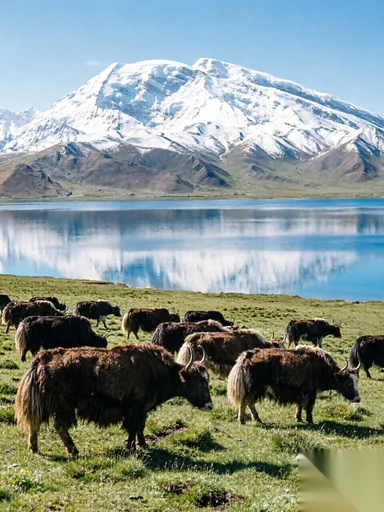
The photos in the article are stunning—they really capture the essence of Tibet’s natural beauty. I can’t wait to see it for myself.