
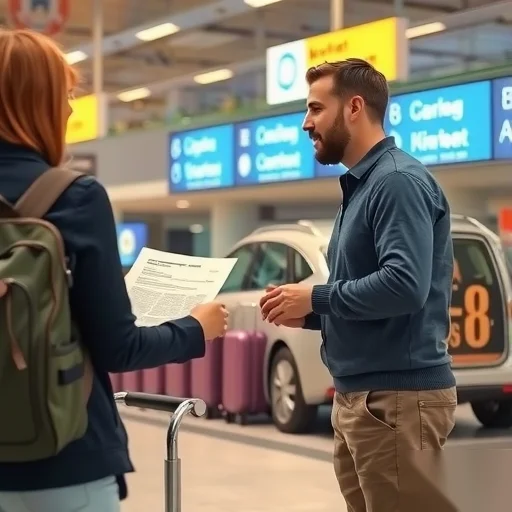
Renting a car in Germany can be a game-changer for your trip, offering flexibility and freedom to explore the country’s scenic landscapes and charming towns. However, many travelers find the process overwhelming due to the complexities of insurance, rental agreements, and local driving rules. The key to a seamless rental experience lies in preparation, understanding the rules, and choosing the right service. With the right approach, renting a car in Germany can be a stress-free and rewarding part of your travel journey.
Before you even step into the rental office, it’s essential to research and plan. Start by comparing different rental companies, such as Europcar, Hertz, and Sixt, to find the best rates and services. Read reviews and check if the company offers additional benefits like free insurance or GPS navigation. Booking in advance, especially during peak travel seasons, can help you secure a better deal and avoid last-minute stress.
Understanding the insurance options is crucial. Most rental companies require you to have at least third-party liability insurance, which is often covered by your personal car insurance or credit card. However, it’s important to verify this before signing the contract. Some companies offer comprehensive insurance packages, which can protect you against theft, damage, or accidents. Be sure to read the fine print and understand what is and isn’t covered.
Driving in Germany has its own set of rules and etiquette. Speed limits are strictly enforced, and fines for speeding can be steep. Always use the correct lanes, especially on highways, and be cautious of pedestrians and cyclists in urban areas. It’s also important to remember that in Germany, you must have a valid driver’s license, and if you’re not a EU citizen, you may need an International Driving Permit.
When picking up your car, inspect it for any existing damage and document it with photos. This will help avoid disputes later if something happens. Familiarize yourself with the car’s features, such as the GPS, entertainment system, and emergency tools. Make sure you know how to operate the automatic transmission, if applicable, and check the fuel level before driving off.
Returning the car on time is just as important as picking it up. Late returns can result in extra fees, so plan your route and time accordingly. If you’re returning the car at a different location, confirm the drop-off details in advance. Also, make sure the car is clean and in good condition when you return it, as this can affect your final bill.
Let’s look at a real example. A traveler from the U.S. planned a road trip through southern Germany, starting in Munich and ending in Lake Constance. They booked their car in advance through a local rental company, which offered comprehensive insurance. They checked their credit card coverage and ensured they had an International Driving Permit. During their trip, they followed all traffic rules, used the GPS to navigate, and returned the car on time. Their experience was smooth and stress-free, allowing them to fully enjoy the scenic routes and local culture.
If you’re planning a road trip in Germany, renting a car can be the perfect way to explore the country at your own pace. With the right preparation and awareness of local rules, you can avoid common pitfalls and make the most of your journey. From the moment you pick up the car to the final drop-off, every step should be planned with care. This not only ensures a hassle-free experience but also allows you to fully immerse yourself in the beauty of Germany.






The insurance part was a bit confusing, but the article explained it clearly. Thanks!
I didn’t know about the International Driving Permit. That’s a big tip to remember.
I rented a car in Germany last year and followed all the tips here. It made my trip so much easier!