
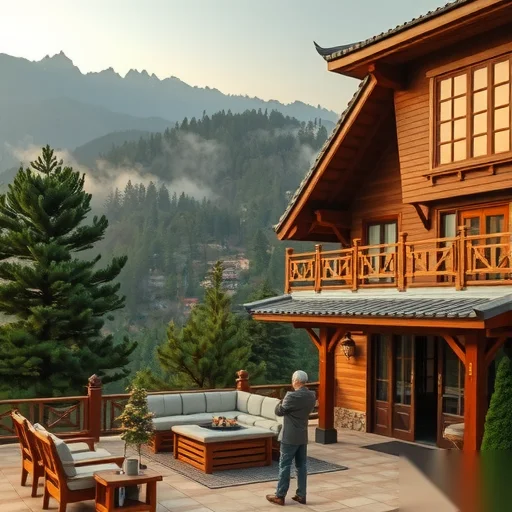
Wutai Mountain, one of China’s most sacred Buddhist sites, attracts thousands of visitors each year. However, with so many accommodation options available, it can be overwhelming to choose the right one. The key to a comfortable and memorable stay lies in understanding the local landscape, seasonal variations, and the unique needs of different travelers. Whether you’re a spiritual seeker, a photography enthusiast, or a first-time visitor, this guide will help you find the perfect place to rest and recharge.
Choosing the right accommodation in Wutai Mountain isn’t just about comfort—it’s about aligning with the mountain’s serene atmosphere and practical considerations. From budget-friendly guesthouses to luxury resorts, the right choice depends on your travel goals, budget, and the time of year. For example, during peak pilgrimage seasons, popular temples like the Foguang Temple may have limited lodging options, making it essential to book in advance.
One of the most important factors to consider is location. Staying near a major temple or scenic area can save you time and energy, but it may also mean higher prices and limited space. On the other hand, staying in a quieter village can offer a more immersive experience, though it might require longer travel times to reach the main attractions. It’s also worth considering the availability of amenities such as hot water, electricity, and Wi-Fi, especially if you’re traveling with family or on a budget.
Another key aspect is the season. Wutai Mountain experiences heavy snowfall in winter, which can make some areas inaccessible. In contrast, summer brings lush greenery and cooler temperatures, making it an ideal time for hiking and exploring. If you’re planning a winter visit, look for accommodations with heating facilities and good insulation. For summer travelers, prioritize places with good ventilation and access to outdoor spaces.
In addition to location and season, the type of accommodation you choose should reflect your travel style. If you’re looking for a spiritual retreat, a small Buddhist guesthouse or monastery might be the best fit. These places often provide a peaceful environment with traditional meals and meditation sessions. For families or groups, a larger inn or hotel with communal areas can be more convenient. If you’re a solo traveler or prefer privacy, consider a private room in a family-run guesthouse.
Let’s take an example of a traveler planning a three-day trip to Wutai Mountain. They start by booking a guesthouse near the East Temple (Dongshan Temple) for its convenient location and affordable prices. They then move to a mountain lodge for the second night to enjoy the view and a more tranquil setting. On the third day, they stay in a nearby village to experience local culture and cuisine. This approach allows them to balance comfort, cost, and experience effectively.
If you’re unsure where to start, it’s a good idea to research online reviews and ask for recommendations from fellow travelers. Platforms like Taobao or Ctrip can help you compare prices and read customer feedback. Additionally, local tourism offices often provide up-to-date information on accommodation availability and seasonal tips.
Lastly, always remember to respect the cultural and religious significance of Wutai Mountain. Some accommodations may have specific rules or traditions, so it’s important to be mindful and follow local customs. Whether you’re staying in a traditional courtyard house or a modern hotel, your choice of accommodation can greatly influence your overall experience.

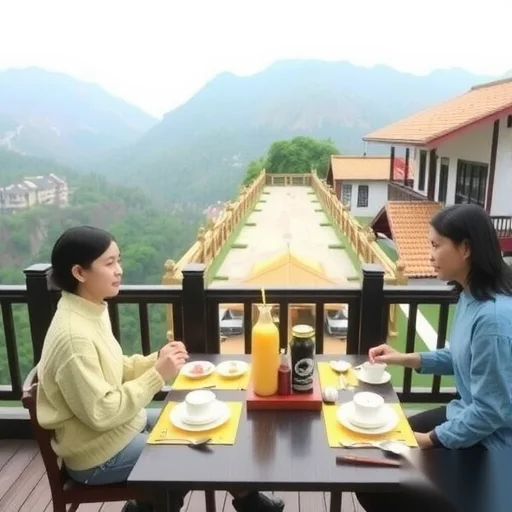



I stayed at a guesthouse near the Foguang Temple and it was amazing. The staff were friendly, and the view was breathtaking. I’d definitely recommend it to others.
This guide was very helpful. I booked a lodge in the village and it was much more peaceful than staying in the city. The local food was also delicious.