

The Silk Road is not just a historical route—it’s a journey through time, culture, and landscapes. If you’re wondering how to plan a Silk Road travel itinerary, you’re not alone. The key to a successful trip lies in understanding the route’s history, selecting the right destinations, and organizing your travel in a way that balances comfort and adventure. This guide will walk you through the essentials of planning a Silk Road trip, from choosing the best starting point to managing your time wisely. Whether you’re a first-time traveler or a seasoned explorer, this step-by-step plan will help you make the most of your Silk Road adventure.
The Silk Road spans thousands of miles across Asia, connecting East and West through ancient trade routes. To plan a Silk Road travel itinerary, you need to consider the vastness of the route, the cultural diversity, and the logistical challenges. Most travelers start in China, either in the west or the east, and then move through Central Asia, the Middle East, and into Europe. However, the journey is not for the faint-hearted. It requires careful planning, flexibility, and a deep appreciation for history and culture.
One of the first steps in planning a Silk Road itinerary is to choose your starting point. The most popular options are Xi’an in China, where the Silk Road began, or Istanbul in Turkey, where it ended. Each starting point offers a different experience. If you begin in Xi’an, you can explore the ancient city walls, the Terracotta Warriors, and then head west toward the Taklamakan Desert, the Pamirs, and eventually the Middle East. Alternatively, starting in Istanbul allows you to travel eastward, passing through Turkey, Armenia, and into Central Asia. Both routes are rich in history and offer unique opportunities for cultural immersion.
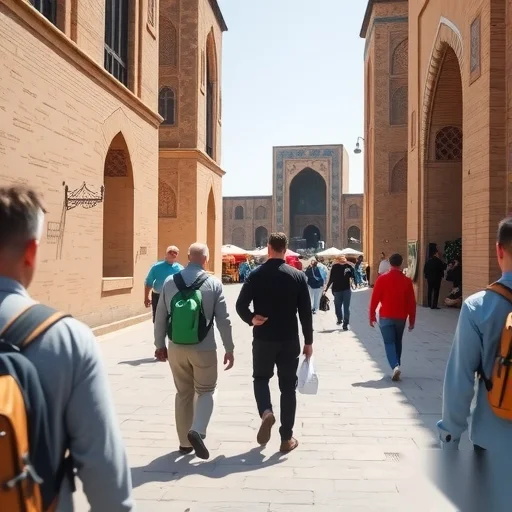
Once you’ve chosen your starting point, the next step is to design a route that fits your travel style. The Silk Road can be divided into several key segments, each with its own historical significance and attractions. For example, the western segment includes cities like Samarkand, Bukhara, and Merv, which were major hubs of trade and culture. The eastern segment includes cities like Kashgar, Dunhuang, and Chang’an, which played a vital role in the Silk Road’s development. To make your journey more manageable, you can focus on one segment at a time, allowing you to explore the culture, history, and landscapes in depth.
One of the most important considerations when planning a Silk Road itinerary is the time of year. The best time to travel is during the spring and autumn months, when the weather is mild and the landscapes are at their most beautiful. However, if you’re traveling during the winter, you may need to adjust your plans to avoid extreme cold, especially in regions like the Pamirs or the Tibetan Plateau. Additionally, it’s essential to be prepared for the unpredictable weather in some parts of the Silk Road, such as sudden sandstorms in the desert or heavy rains in the mountains.
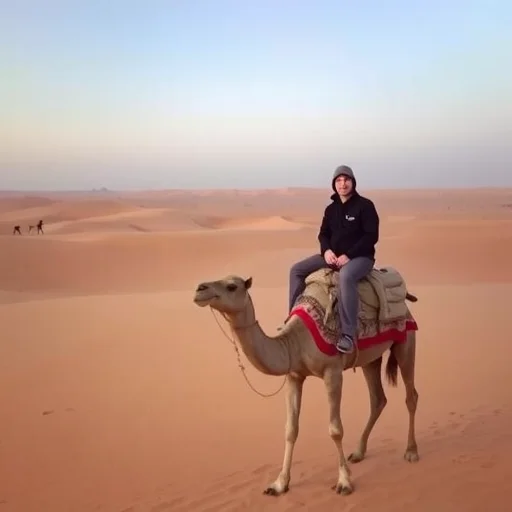
Another key factor in planning a Silk Road itinerary is the mode of travel. While some travelers prefer to fly between major cities, others enjoy the slower pace of traveling by train, bus, or even camel. If you’re looking for a more immersive experience, consider joining a guided tour or traveling with a local guide who can provide insights into the history and culture of the regions you’re visiting. This approach not only enhances your understanding of the Silk Road but also helps you avoid the challenges of navigating unfamiliar territories alone.




The tips on choosing the right season and mode of travel were especially useful. I hadn’t considered how weather could impact the journey so much.
This guide is incredibly helpful for someone planning their first Silk Road trip. I feel more confident now about where to start and what to expect.
The image of the desert and the camel really captured the essence of the Silk Road. It made me want to plan a trip as soon as possible.