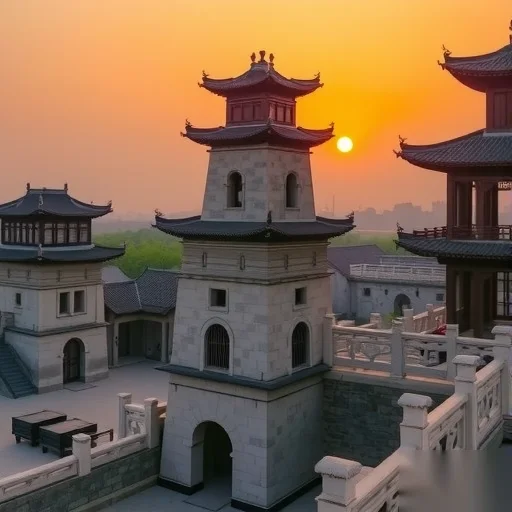
Siem Reap, the gateway to the ancient temples of Angkor, is a must-visit destination for travelers seeking history, culture, and stunning landscapes. Whether you’re a first-time visitor or a seasoned traveler, this guide will help you plan an unforgettable trip to Siem Reap. From the best time to visit to the must-see attractions, we’ve got you covered.
Siem Reap is renowned for its rich history, most notably the breathtaking temples of Angkor Wat, Angkor Thom, and Bayon. These UNESCO World Heritage Sites are not only architectural marvels but also deeply rooted in the spiritual and cultural legacy of Cambodia. However, visiting Siem Reap can be overwhelming for first-time visitors. The sheer number of temples, the best time to visit, and the local customs can all be confusing. This guide aims to simplify your planning and ensure you make the most of your trip.
One of the most common concerns for travelers is how to navigate the temples efficiently. With over 200 temples in the Angkor Archaeological Park, it can be challenging to know where to start. The key to a successful visit is to plan your itinerary in advance. Most visitors spend at least one full day exploring the main temples, but with the right strategy, you can maximize your time. Start with Angkor Wat, the most iconic temple in the region, and then move on to Bayon, Ta Prohm, and Baphuon. It’s also important to consider the time of day you visit. The temples are best explored in the early morning or late afternoon to avoid the midday heat and crowds.
Another important aspect of visiting Siem Reap is understanding the local culture and customs. Cambodia has a rich cultural heritage, and respecting local traditions can greatly enhance your experience. For example, it’s customary to dress modestly when visiting temples, so avoid wearing revealing clothing. Also, be mindful of the local people and their way of life. Siem Reap is a small town, and many of its residents are friendly and welcoming. Taking the time to engage with locals can provide valuable insights into the region’s history and culture.
Transportation in Siem Reap is relatively straightforward, but it’s important to know your options. The most common ways to get around are by tuk-tuk, motorbike taxi, or private car. Tuk-tuks are a popular and affordable option, but they can be slow and sometimes overpriced. Motorbike taxis are faster but may not be as comfortable for long distances. If you prefer a more relaxed experience, hiring a private car with a driver is a good option. It’s also worth noting that some areas of the Angkor Archaeological Park require a guide, especially if you’re interested in the historical and cultural significance of the temples.
Accommodation in Siem Reap ranges from budget guesthouses to luxury resorts, so you can choose an option that fits your budget and preferences. Staying in the city center is convenient, as it provides easy access to restaurants, shops, and transportation. However, some travelers prefer to stay near the temples for a more immersive experience. Be sure to book your accommodation in advance, especially during peak season, which is from November to February when the weather is cooler and more comfortable.
One of the highlights of a trip to Siem Reap is the local cuisine. Cambodian food is flavorful and diverse, with a variety of dishes that reflect the country’s rich culinary traditions. Must-try dishes include fish amok, a creamy coconut-based curry, and khmer spring rolls. Street food is also a great option, with many vendors offering delicious and affordable meals. However, it’s important to be cautious about food hygiene, especially when eating street food. Look for vendors with a good reputation and ensure that the food is freshly prepared.
To give you a better idea of what to expect, let’s look at a sample itinerary for a one-day visit to the temples. Start your day early, around 5:30 AM, and head to Angkor Wat for sunrise. The temple is at its most magical during this time, with the golden light reflecting off the stone structures. After exploring Angkor Wat, visit Angkor Thom and the Bayon Temple, which features the famous smiling faces. Next, take a short walk to Ta Prohm, where the temple is partially surrounded by trees, creating a unique and enchanting atmosphere. Finally, end your day at Baphuon, which is known for its intricate carvings and stunning views.

Whether you’re a history buff, a culture enthusiast, or simply looking for a unique travel experience, Siem Reap offers something for everyone. With the right planning and