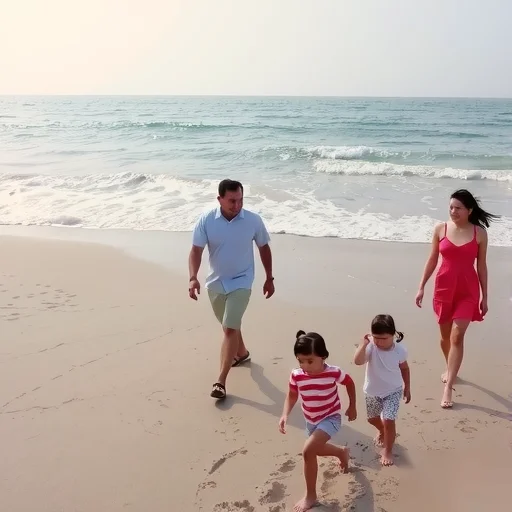
Traveling during the New Year is a great way to start the year with a fresh perspective and unforgettable memories. However, with the holiday season in full swing, it can be overwhelming to plan a trip that is both enjoyable and stress-free. The key to a successful New Year travel experience lies in proper planning, understanding your travel goals, and following a structured approach. Whether you’re looking for a relaxing beach getaway, a cultural adventure, or a cozy ski retreat, there are strategies to make your trip smooth and enjoyable.
One of the most important aspects of planning a New Year trip is to define your travel goals. Are you looking for relaxation, adventure, or a mix of both? Knowing what you want from your trip will help you choose the right destination, budget, and travel style. For example, if you’re seeking relaxation, a tropical beach destination might be ideal, while if you’re looking for adventure, a mountainous region with hiking trails could be more suitable.
Another crucial step is to research your destination thoroughly. This includes checking the weather, local events, and any travel restrictions that might be in place. For instance, if you’re planning a trip to a ski resort, it’s important to check the snow conditions and the availability of ski passes. Similarly, if you’re visiting a historical site, knowing the opening hours and any special events can help you make the most of your visit.
Once you have a clear idea of your goals and destination, it’s time to plan your itinerary. A well-structured itinerary ensures that you make the most of your time and avoid unnecessary stress. Start by booking your flights and accommodations well in advance to secure the best deals and avoid last-minute complications. Then, plan your daily activities, ensuring a balance between relaxation and exploration. For example, you might spend a day exploring a city’s cultural landmarks, followed by a day of leisure at a local park or beach.
It’s also important to consider the logistics of your trip. This includes packing the right clothing, preparing necessary documents, and ensuring that you have a reliable travel insurance plan. For example, if you’re traveling to a cold climate, make sure to pack warm clothing and layers. Additionally, having travel insurance can provide peace of mind in case of unexpected events such as flight delays or medical emergencies.
To give you a better idea of how these steps can be applied, let’s look at a real-life example. Sarah, a busy professional, wanted to take a short getaway during the New Year to recharge and enjoy some quality time with her family. She decided on a beach vacation in Bali, Indonesia. She started by researching Bali’s weather and local events, which showed that January was an ideal time to visit with pleasant weather and fewer crowds. She then set her travel goals, focusing on relaxation and cultural experiences. She booked her flights and accommodations in advance, ensuring a smooth start to her trip. During her stay, she explored local temples, enjoyed the beach, and spent quality time with her family. Her trip was stress-free and filled with unforgettable memories.
Another example is Mark, who wanted to try something adventurous for the New Year. He chose a ski trip to the Swiss Alps. He researched the snow conditions and found that the region had good snowfall for the season. He set his travel goals around skiing and exploring mountainous landscapes. He booked his flights and ski passes in advance, and during his trip, he enjoyed the slopes, visited local villages, and experienced the beautiful winter scenery. His trip was both exciting and fulfilling, and he returned home with a renewed sense of energy.
In addition to these examples, it’s also important to consider the financial aspect of your trip. Setting a budget and sticking to it can help you avoid overspending and ensure that your trip is both enjoyable and affordable. This includes allocating funds for transportation, accommodation, meals, and activities. Using budgeting tools or apps can help you track your expenses and stay within your limits.
Lastly, don’t forget to leave room for spontaneity. While planning is essential, allowing yourself some flexibility can lead to unexpected and memorable experiences. Whether it’s trying a local dish, meeting new people, or discovering a hidden gem, being open to new opportunities can make your trip even more rewarding.
By following these steps and strategies, you can plan a New Year trip that is both enjoyable and stress-free. Whether you’re seeking relaxation, adventure, or a mix of both, with proper planning and a clear focus on your goals, you can make the most of your time and create lasting memories.

{A group