
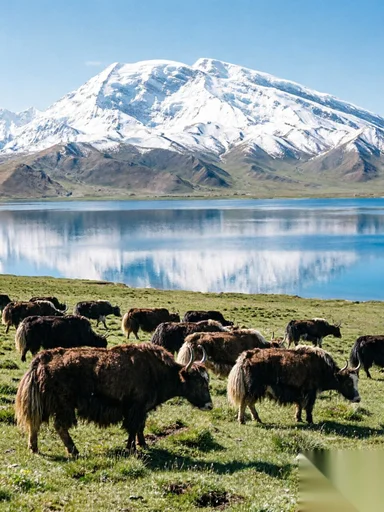
Tibet is a land of breathtaking landscapes, rich culture, and spiritual depth, but it can also be overwhelming for first-time visitors. The key to a successful Tibet tour lies in careful planning, understanding local customs, and preparing for the unique challenges of high-altitude travel. This guide will walk you through everything you need to know to make your trip smooth, safe, and unforgettable.
Before you even pack your bags, it’s essential to understand the basics of traveling in Tibet. The region is known for its high altitude, which can cause altitude sickness, and its strict regulations on foreign visitors. You’ll need a Tibet Travel Permit and a valid passport. Additionally, the weather can be unpredictable, so packing appropriately is crucial. By addressing these challenges upfront, you’ll set yourself up for a more enjoyable experience.
One of the most important aspects of planning a Tibet tour is choosing the right time to visit. The best months to travel are April to June and September to October, when the weather is mild and the skies are clear. During these periods, you’ll have the best chance to see the famous sights like the Potala Palace, Jokhang Temple, and the sacred Lake Namtso. Avoid the winter months, as roads can be closed, and temperatures can drop dramatically.
Once you’ve decided on the best time to visit, the next step is to plan your itinerary. Tibet is vast, so it’s best to focus on one or two main areas, such as Lhasa, Shigatse, and the Everest Region. Allocate at least 7 to 10 days for a well-rounded trip, allowing time to acclimate to the altitude and explore key attractions. Don’t rush—Tibet is a place to experience slowly and deeply.
Accommodation in Tibet can be limited, especially in remote areas, so it’s wise to book your stays in advance. You’ll find a range of options, from budget guesthouses to luxury hotels, but it’s best to stay in places with good reviews and reliable transportation. In Lhasa, you can choose from a variety of hotels, while in more remote areas, you may need to stay in guesthouses or yurts.
Transportation is another key consideration. The most common way to get around is by bus or private car, but flights are also available for longer distances. Be sure to check the schedules and book in advance, especially during peak season. If you’re driving, be prepared for long journeys and potential road closures.
When it comes to cultural etiquette, respect is paramount. Tibet is a deeply spiritual region, and visitors should dress modestly, especially when visiting monasteries and temples. It’s also important to ask for permission before taking photos of local people and to be mindful of religious practices. By showing respect, you’ll not only avoid offending locals but also enrich your experience.
To illustrate how these tips can be applied, let’s look at a sample itinerary for a 10-day trip. Day 1: Arrive in Lhasa and rest to acclimate. Day 2: Explore the Potala Palace and Jokhang Temple. Day 3: Visit Norbulingka and the Barkhor Street. Day 4: Travel to Shigatse and visit the Tashilhunpo Monastery. Day 5: Drive to Mount Kailash and Lake Manasarovar (if permitted). Day 6: Return to Lhasa and take a day trip to the Sera Monastery. Day 7: Explore the Tibetan Museum and the Drepung Monastery. Day 8: Fly to Paro in Bhutan (optional) or continue exploring Lhasa. Day 9: Travel to the Everest Region and visit the Gokyo Lakes. Day 10: Departure.
This itinerary balances sightseeing with acclimatization, ensuring you have time to rest and reflect. By following these steps, you’ll be able to experience the beauty of Tibet without the stress of last-minute planning.
In conclusion, planning a Tibet tour requires careful preparation, respect for local customs, and flexibility. By understanding the challenges and following these steps, you’ll be well on your way to a memorable and enriching journey. Whether you’re a first-time visitor or a seasoned traveler, Tibet offers a unique experience that is both humbling and inspiring.



I followed this guide and had an amazing trip! The tips on acclimatization and cultural etiquette were invaluable. Thank you!