
Traveling through East Asia can be overwhelming with its vast cultural diversity, languages, and transportation systems. However, with the right approach, you can navigate this region like a local and make the most of your trip. This guide provides a clear, step-by-step solution to help you explore East Asia efficiently and authentically.
Start by identifying the countries or regions you’re interested in. East Asia includes China, Japan, South Korea, Mongolia, and Taiwan, each offering unique experiences. Researching your destinations in advance will help you plan your itinerary, understand cultural norms, and avoid common pitfalls. For example, knowing the best time to visit Japan for cherry blossoms or the best places to experience traditional Chinese tea ceremonies can significantly enhance your trip.
Next, focus on mastering the basics of language and communication. While English is widely understood in major cities, learning a few key phrases in the local language can go a long way. In China, a simple “你好” (nǐ hǎo) for hello or “谢谢” (xiè xie) for thank you can create positive interactions with locals. In Japan, knowing how to order food or ask for directions politely is essential. Language apps like Duolingo or Memrise can help you learn basic vocabulary before your trip.
Transportation is another crucial aspect of traveling in East Asia. The region has an extensive and efficient public transport system, but it can be confusing for first-time visitors. In China, the high-speed rail network connects major cities, making it easy to travel between Beijing, Shanghai, and Guangzhou. In Japan, the Shinkansen (bullet train) is a fast and reliable option, while South Korea’s KTX offers similar convenience. Always check the schedules and purchase tickets in advance, either online or at stations. Using apps like Google Maps or local transit apps can help you navigate the metro and buses.
Accommodation is another key consideration. While luxury hotels are available in major cities, budget-friendly options like hostels, guesthouses, and homestays offer a more authentic experience. In cities like Seoul and Bangkok, staying in a local neighborhood can provide insights into daily life and culture. Websites like Booking.com or Airbnb can help you find the best options that suit your preferences and budget.
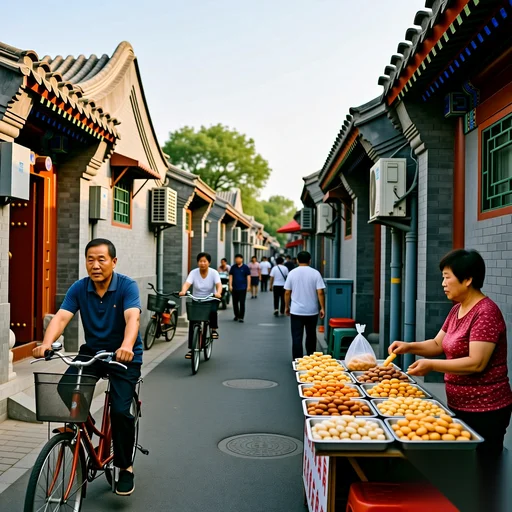
Dining is an essential part of any travel experience, and East Asia is renowned for its diverse and delicious cuisine. From street food in Beijing to sushi in Tokyo and kimchi in Seoul, the region offers something for every palate. Don’t hesitate to try local specialties, but be mindful of dietary restrictions. In China, for example, ordering “dian” (a mild seasoning) can help you adjust to the flavors if you’re not used to spicy food.
Case example: A traveler planning a 2-week trip to China and Japan followed this guide by researching their destinations, learning basic phrases, using public transport effectively, and staying in local neighborhoods. They visited the Great Wall of China, explored Tokyo’s Shibuya district, and experienced traditional tea ceremonies in Kyoto. Their trip was smooth, enriching, and filled with authentic cultural encounters.
By following these steps, you can transform your East Asia adventure into a memorable journey. Whether you’re a first-time visitor or a seasoned traveler, understanding the principles of cultural sensitivity, efficient transportation, and local engagement will make your trip more enjoyable and meaningful.



I followed this guide for my trip to Japan and China, and it made all the difference. The tips on language and transport were especially helpful!
The image of Tokyo at sunset was beautiful—it reminded me of why I wanted to visit East Asia in the first place.
This is such a comprehensive guide. I’m planning a trip to South Korea and will definitely use the advice on accommodation and dining.