
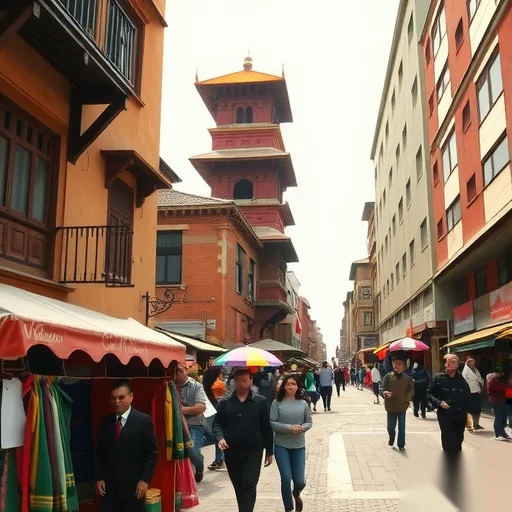
Kathmandu, the capital of Nepal, is a city that effortlessly blends ancient history, vibrant culture, and natural beauty. Whether you’re a first-time traveler or a seasoned adventurer, planning a trip to Kathmandu can be both exciting and overwhelming. The key to a seamless journey lies in understanding the essentials: where to stay, what to see, and how to navigate the city. This guide will walk you through the most effective way to plan your trip, ensuring you make the most of your time in this enchanting destination.
Before you even step onto the plane, it’s crucial to know the basics. Start by choosing the right time to visit—Kathmandu is best explored between October and March when the weather is mild and the skies are clear. Next, decide on your budget and allocate funds for accommodation, transportation, and activities. While Kathmandu offers everything from budget guesthouses to luxury hotels, staying in the city center is ideal for easy access to major attractions.
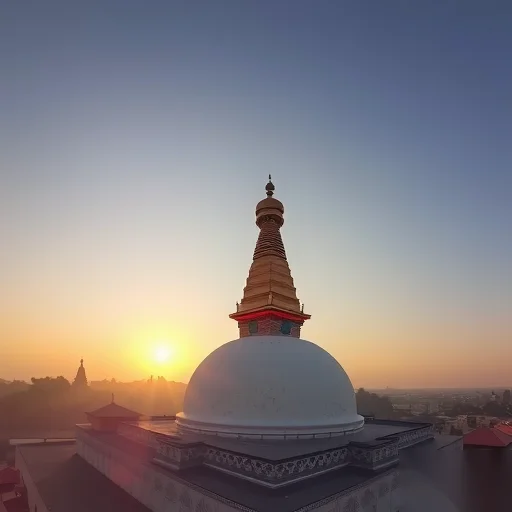
Once you’re in Kathmandu, your itinerary should include the city’s most iconic landmarks. The Durbar Square is a must-visit, where you can explore the ancient temples and palaces that reflect the city’s rich heritage. Don’t miss the Swayambhunath Stupa, often called the “Dove of Peace,” which offers panoramic views of the city from its hilltop location. For a more spiritual experience, visit the Pashupatinath Temple, one of the holiest sites for Hindus.
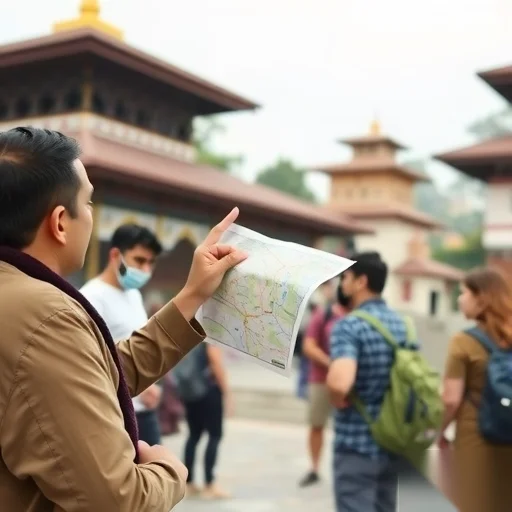
Transportation in Kathmandu can be a bit of a challenge, especially if you’re unfamiliar with the local roads. Taxis and auto-rickshaws are the most common options, but it’s important to negotiate prices upfront to avoid overcharging. If you prefer a more comfortable option, consider hiring a local guide who can take you to the best spots and provide insights into the culture and history of the city.
Dining in Kathmandu is a delightful experience, with a wide variety of local and international cuisines available. From street food stalls serving spicy momos and chowmein to upscale restaurants offering Nepali delicacies, there’s something for every palate. Don’t forget to try the famous Newari cuisine, which is known for its unique flavors and traditional cooking methods.
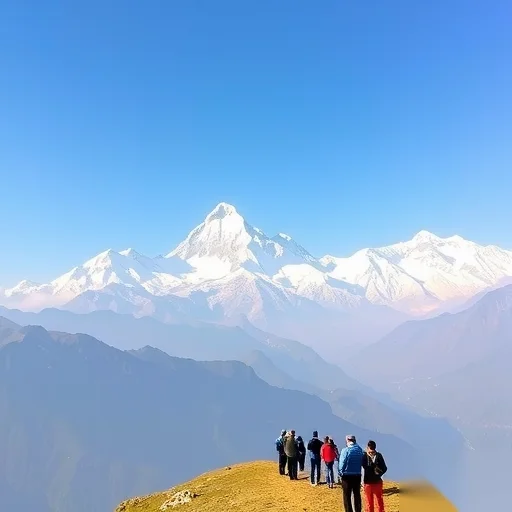
If you’re planning to explore beyond the city, consider adding a day trip to Bhaktapur or Patan, both of which are UNESCO World Heritage Sites. These nearby towns offer a glimpse into Kathmandu Valley’s rich history and architecture. For nature lovers, a visit to the Annapurna Base Camp or the Langtang Valley can be a rewarding addition to your itinerary.
One of the most common mistakes travelers make is underestimating the importance of local etiquette and customs. In Kathmandu, it’s respectful to dress modestly when visiting temples and to avoid public displays of affection. Learning a few basic Nepali phrases can also go a long way in making your interactions more meaningful and your journey more enjoyable.
Whether you’re a first-time visitor or returning for a second visit, Kathmandu has a way of leaving a lasting impression. By planning your trip thoughtfully and embracing the local culture, you’ll be able to experience the city’s beauty and charm in the most authentic way possible.





This guide was incredibly helpful! I followed all the tips and had an amazing time in Kathmandu. The recommendations for places to visit and eat were spot on!
The images really enhanced the reading experience. I felt like I was there while reading the guide. Very well done!
I’m planning a trip soon and this article gave me a clear roadmap. The tips on transportation and local etiquette were especially useful.