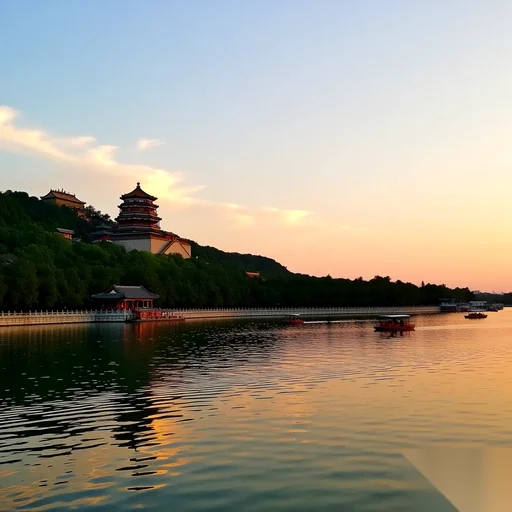
If you’re planning a trip to Chongqing and want to experience its unique blend of history and modernity, the Foreign Quarter (Wai Tan) is a must-visit destination. Located by the Yangtze River, this area is a living museum of Chongqing’s colonial past, offering a mix of European-style architecture, historic streets, and vibrant local culture. However, for many travelers, navigating this area can be overwhelming—especially if you’re not familiar with the local layout, transportation, or hidden gems. This guide will help you uncover the best ways to explore Chongqing’s Foreign Quarter like a local, ensuring you make the most of your time there.
Chongqing’s Foreign Quarter is one of the few remaining areas in China that retain the architectural style of the early 20th century, when the city was a key hub for foreign trade and diplomacy. The area is characterized by its narrow, winding streets, red-brick buildings, and a unique blend of Chinese and Western influences. However, the Foreign Quarter is not just a tourist attraction—it’s also a neighborhood with a rich history, local businesses, and a distinct atmosphere that sets it apart from other parts of the city.
To fully appreciate the Foreign Quarter, it’s important to understand the key elements that make it special. First, the architecture: many of the buildings date back to the 1920s and 1930s, designed by foreign architects and built by Chinese craftsmen. These structures reflect a mix of styles, including French, Italian, and British influences. Second, the streets: the area is known for its steep hills and narrow alleys, which can be a bit challenging to navigate, especially for first-time visitors. Third, the culture: the Foreign Quarter is home to a variety of local shops, cafes, and restaurants that offer a taste of Chongqing’s daily life.
When planning your visit to the Foreign Quarter, there are several steps you can take to ensure a smooth and enjoyable experience. First, choose the right time to visit. The best time to explore the area is in the early morning or late afternoon, when the crowds are smaller and the atmosphere is more peaceful. Second, plan your route in advance. Since the streets can be confusing, it’s a good idea to research the main attractions and create a rough itinerary. Third, consider hiring a local guide or using a trusted travel app to help you navigate the area. Fourth, be prepared for the weather. Chongqing is known for its hot and humid summers and rainy winters, so it’s a good idea to bring appropriate clothing and an umbrella.
One of the most popular spots in the Foreign Quarter is the **Chongqing Foreign Quarter Museum**, which provides an in-depth look at the area’s history and architecture. The museum is housed in a restored building that once served as a foreign embassy, and it features exhibits on the city’s colonial past, local traditions, and the development of the area over the years. Another must-see is the **Wangjiazhai Street**, a narrow alley that is lined with shops, cafes, and art galleries. This street is often referred to as the “Little Venice” of Chongqing due to its unique charm and picturesque setting.
For those looking for a more immersive experience, the **Xiaozhushan Park** is a great option. This park is located near the Foreign Quarter and offers a peaceful escape from the bustling city. The park is known for its beautiful gardens, traditional Chinese architecture, and scenic views of the Yangtze River. It’s a perfect place to relax and take in the surroundings after a day of exploring.
If you’re interested in local culture, don’t miss the opportunity to visit the **Foreign Quarter Night Market**. This market is a vibrant hub of activity, offering everything from street food to souvenirs. It’s a great place to experience the local flavor of Chongqing and meet friendly locals.

Exploring the Foreign Quarter can be a rewarding experience, but it requires some preparation and planning. By understanding the history, architecture, and culture of the area, you’ll be able to appreciate its unique charm and make the most of your visit. Whether you’re a history enthusiast, a photography lover, or simply looking for a peaceful escape from the city, the Foreign Quarter has something to offer for everyone.