
Traveling is an exciting experience, but it can also be overwhelming if you don’t plan your itinerary properly. The key to a smooth and enjoyable trip lies in creating a well-structured travel plan that balances your interests, time, and budget. This guide will walk you through the essential steps to design the perfect travel itinerary, helping you make the most of your journey without the stress of last-minute decisions.
When planning a trip, the first step is to define your goals and preferences. Are you looking for adventure, relaxation, cultural immersion, or a mix of all? Understanding what you want from your trip will help you choose the right destinations and activities. Once you have a clear idea of your priorities, you can start researching destinations that align with your interests.
Next, consider the timing of your trip. The best time to visit a destination often depends on the season, weather, and local events. For example, if you’re planning a beach vacation, you’ll want to avoid the rainy season. On the other hand, if you’re interested in festivals or cultural events, timing your trip around these can enhance your experience. It’s also important to factor in travel time and how much time you’ll need to explore each location.
Once you’ve selected your destinations, it’s time to plan the order of your stops. A well-organized itinerary should allow for smooth transitions between locations, minimizing travel time and maximizing your time in each place. Consider the distance between destinations, transportation options, and how long you’ll spend in each city or region. A good rule of thumb is to allocate at least one full day for travel between major cities to avoid rushing and fatigue.
Budgeting is another crucial aspect of trip planning. Set a realistic budget that includes accommodation, transportation, meals, activities, and emergencies. Researching prices in advance can help you find cost-effective options without compromising on quality. For example, booking flights and accommodations in advance often leads to better deals, and choosing budget-friendly dining options can stretch your budget further.
When it comes to activities, it’s important to mix up your schedule to avoid burnout. A combination of sightseeing, relaxation, and local experiences will keep your trip engaging and enjoyable. Don’t forget to include some free or low-cost activities, such as visiting public parks, museums with free admission days, or exploring local markets. These can add value to your trip without breaking the bank.
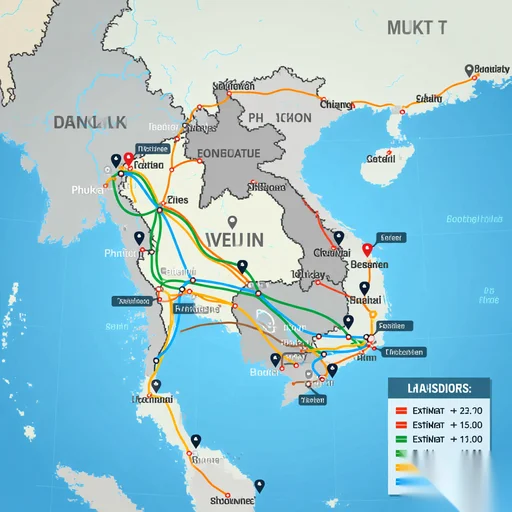
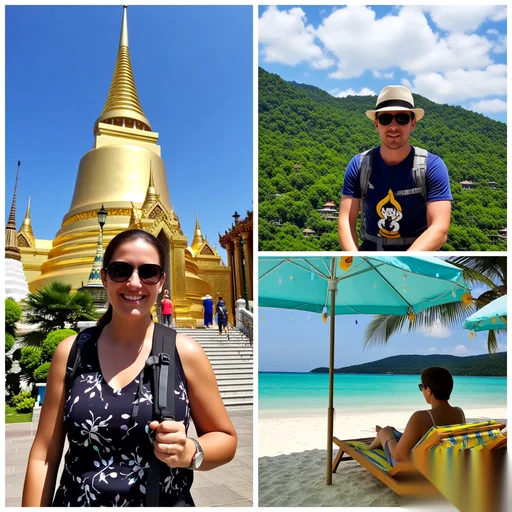
Let’s take a case example to illustrate how this works. Suppose you’re planning a 10-day trip to Southeast Asia, focusing on cultural and natural attractions. You might start in Bangkok, where you can explore temples and markets, then fly to Chiang Mai for a more laid-back experience, followed by a trip to Phuket for beach relaxation. Each stop should be planned with enough time to enjoy the highlights without feeling rushed.
In addition to planning your destinations and activities, it’s also important to prepare for unexpected situations. Always have a backup plan for delays, cancellations, or changes in your itinerary. Keeping a flexible mindset can help you adapt to any situation and enjoy your trip even when things don’t go as planned.
Finally, don’t forget to pack wisely. A well-organized suitcase with the right clothing, travel documents, and essential items can make a huge difference in your travel experience. Make a checklist of what you need for each destination and ensure you have everything before you leave.



The section on budgeting was a game-changer for me. I managed to save a lot of money by following the tips and booking in advance.
I love the case example—it made it easier to visualize how to plan a multi-city trip without getting overwhelmed.
The images really added value to the article. It helped me understand the flow of the itinerary better.
This guide is incredibly helpful! I followed the steps and planned my trip to Japan with ease. The itinerary was well-structured, and I didn’t feel rushed at all.