
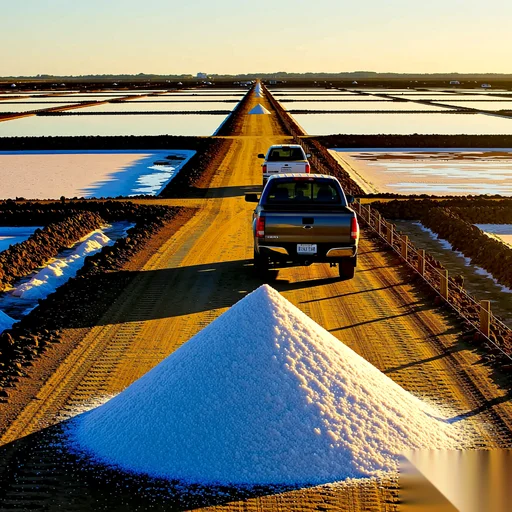
Traveling through a salt field by car can be a unique and unforgettable experience. Whether you’re a road-trip enthusiast or simply looking for a different way to explore nature, planning a self-driving tour of a salt field requires careful preparation. This guide will walk you through the essential steps to make your journey safe, enjoyable, and memorable.
Before embarking on your salt field adventure, it’s crucial to understand the environment and what to expect. Salt fields are often located in remote areas, which means you’ll need to be prepared for long stretches of unpaved roads, limited services, and unpredictable weather. These conditions can be challenging, but with the right planning, they can also enhance the sense of adventure.
First, research the destination. Identify the salt field you’re interested in and gather information about its location, accessibility, and surrounding attractions. Some of the most famous salt fields include the Salar de Uyuni in Bolivia, the Great Salt Lake in Utah, and the Qarun Lake in Egypt. Each of these locations has its own unique features and challenges. For example, Salar de Uyuni is known for its vast salt flats and stunning reflections, while the Great Salt Lake offers a different kind of natural wonder.
Next, check the weather and road conditions. Salt fields are often in arid or high-altitude regions, which can mean extreme temperatures and unpredictable weather patterns. Make sure to pack appropriate clothing and gear, including sturdy footwear, sunglasses, and a waterproof jacket. If you’re driving in a remote area, it’s also a good idea to carry extra fuel, water, and emergency supplies.
Choosing the right vehicle is another important consideration. A 4×4 vehicle is generally recommended for salt fields, as they can handle rough terrain and provide better traction. If you’re driving a regular car, make sure it’s in good condition and equipped with a spare tire, a jack, and basic tools. It’s also a good idea to inform someone of your travel plans and expected return time, especially if you’re venturing into an area with limited cell service.
Once you’ve prepared your vehicle and supplies, it’s time to plan your route. Start by mapping out your journey and identifying key stops along the way. Many salt fields are part of larger national parks or tourist routes, so you can combine your visit with other attractions. For example, if you’re visiting the Salar de Uyuni, you might include a stop at the Eduardo Avaroa Andean Fauna Reserve or the town of Tupiza. This not only enhances your experience but also gives you a better sense of the local culture and environment.
During your trip, take time to explore and enjoy the surroundings. Salt fields are not just for photography—they offer a unique opportunity to experience the natural world in a way that’s both peaceful and awe-inspiring. Take your time to walk on the salt flats, capture the views, and learn about the history and geology of the area. If you’re lucky, you might even spot some wildlife, such as flamingos or Andean condors, depending on the location.
One of the most rewarding aspects of a salt field self-driving tour is the sense of freedom and discovery it brings. There’s something special about driving through a landscape that feels both vast and untouched, with the only sounds being the hum of your engine and the wind. It’s a chance to disconnect from the daily grind and reconnect with nature in a way that’s both refreshing and rejuvenating.
To illustrate the benefits of a well-planned salt field tour, let’s consider a real example. A group of travelers from Germany decided to visit the Salar de Uyuni. They spent a week driving through Bolivia, with a stop at the salt flats. They rented a 4×4 vehicle, packed all the necessary supplies, and followed a carefully planned itinerary. Their trip included a visit to the nearby Eduardo Avaroa Reserve, where they saw flamingos and other wildlife, and a night stay in a local hotel. The experience was unforgettable, and they returned home with incredible photos and stories to share.
In conclusion, planning a self-driving tour of a salt field can be an incredible adventure, but it requires careful preparation and attention to detail. By researching your destination, preparing your vehicle, and planning your route, you can ensure a safe and enjoyable experience. Whether you’re seeking a unique travel experience or simply looking to explore nature in a different way, a salt field self-driving tour offers something special

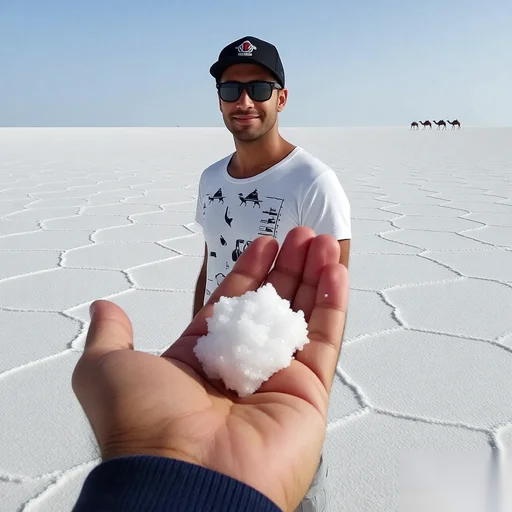

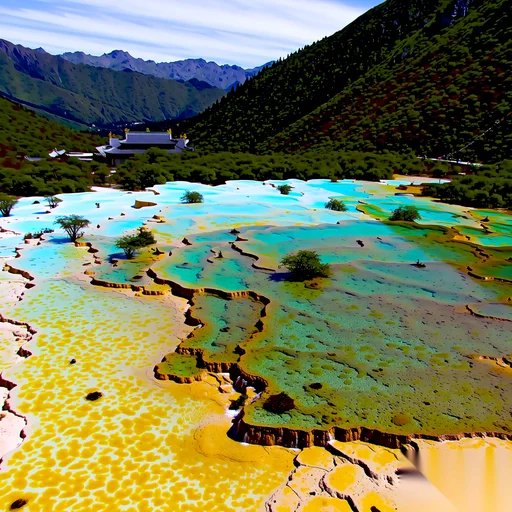

The pictures are breathtaking—those salt flats look like something out of a dream. I can almost feel the vastness of the landscape.
This guide sounds amazing! I’ve always wanted to explore a salt field and this step-by-step approach will make it easier.
I’m planning a road trip and this guide will definitely be a helpful resource. Can’t wait to see the salt fields for myself!
I love the idea of a self-driving tour here. It seems like a unique and unforgettable experience.