
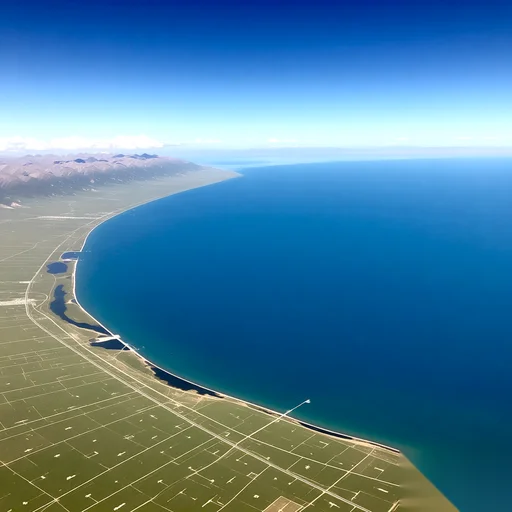
Qinghai Lake, known as the “Blue Pearl of the Plateau,” is one of the most breathtaking destinations in China. If you’re wondering how to plan a perfect trip to Qinghai Lake, this guide will help you navigate the essentials, from the best time to visit to must-see attractions and practical tips. Whether you’re a first-time traveler or a seasoned adventurer, this step-by-step approach will ensure you make the most of your journey.
Traveling to Qinghai Lake can be a dream come true, but it also comes with its own set of challenges. The high altitude, unpredictable weather, and limited facilities in remote areas can make planning a trip seem overwhelming. However, with the right preparation and knowledge, you can transform your Qinghai Lake adventure into an unforgettable experience. The key is to understand the basics of the region, plan your itinerary wisely, and be prepared for the unique conditions you’ll encounter.
The first step in planning a Qinghai Lake trip is to choose the best time to visit. The ideal period is from June to September, when the weather is mild, the grasslands are in full bloom, and the lake is at its most picturesque. During this time, you’ll also have the chance to witness the famous “Qinghai Lake Festival” in July, which celebrates the local culture with music, dance, and traditional performances. If you’re looking for a quieter experience, consider visiting in April or October, when the crowds are fewer and the scenery is still stunning.
Next, you should decide on the best route to reach Qinghai Lake. The most common starting points are Xining and Golmud, both of which offer convenient transportation options. Xining is the closest major city, and from there, you can take a scenic drive or a bus to the lake. Golmud, on the other hand, is part of the Qinghai-Tibet Highway, making it a popular choice for travelers heading to Tibet. Whether you choose Xining or Golmud, be sure to plan your transportation in advance, especially during peak season when accommodations can fill up quickly.
Once you’ve arrived, the next step is to explore the surrounding attractions. The surrounding area of Qinghai Lake is rich in natural beauty and cultural heritage. Don’t miss the 108 Buddhist temples along the lake’s edge, which offer a spiritual and serene experience. You can also visit the Bird Island, where thousands of migratory birds gather during the breeding season. For a more adventurous experience, consider hiking the nearby mountains or renting a bike to explore the grasslands at your own pace.
It’s also important to be prepared for the high altitude and changing weather conditions. Altitude sickness is a common concern, so it’s advisable to acclimate for a day or two before starting your main activities. Pack layers of clothing to stay comfortable in varying temperatures, and don’t forget sunscreen and sunglasses to protect yourself from the strong UV rays. Additionally, bring enough water and snacks, as some areas may not have convenient food options.
To give you a better idea of what to expect, let’s look at a real case example. A group of travelers from Beijing planned a 5-day trip to Qinghai Lake in July. They started their journey in Xining, where they stayed for two nights to acclimate. On the third day, they took a scenic drive to the lake, spending the day exploring the Bird Island and the surrounding temples. The fourth day was dedicated to a mountain hike, and they returned to Xining on the fifth day for a final visit to the local markets and cultural sites. Their trip was smooth and enjoyable, thanks to careful planning and preparation.

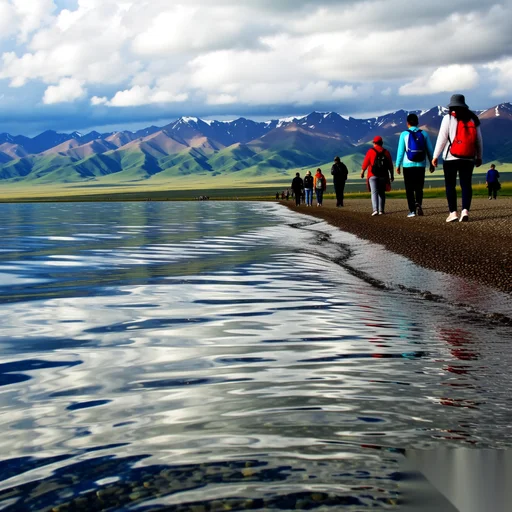


This guide was super helpful! I followed the steps and had an amazing trip. The tips about altitude sickness and the best time to visit were especially useful.
I never knew about the Bird Island and the temples around the lake. The case example made it easier to visualize the trip. Thanks for sharing!
The images really helped me get a sense of what to expect. I’m planning a trip this summer and this is definitely on my list.