
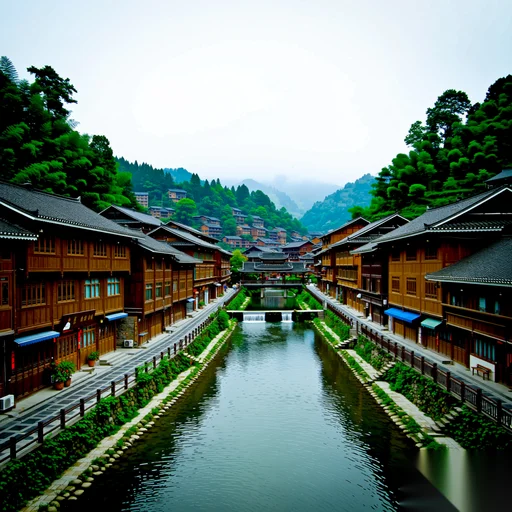
Traveling to ancient rural areas is not only a way to experience traditional Chinese culture but also an opportunity to reconnect with nature and history. If you’re wondering how to make the most of your ancient rural tourism experience, this guide will provide you with practical tips, principles, and real-life examples to help you plan your trip like a local. Whether you’re a first-time visitor or a seasoned traveler, these insights will ensure you have a fulfilling and memorable journey.
Ancient rural tourism offers a unique blend of historical sites, traditional architecture, and local customs. However, many travelers struggle with how to navigate these destinations, what to see, and how to immerse themselves in the local culture without disrupting the community. The key to a successful trip lies in understanding the local environment, respecting traditions, and engaging with the community in a meaningful way. By following a few simple principles and steps, you can turn your visit into a rewarding cultural experience.
Before you start planning, it’s important to research the specific region you’re interested in. Each ancient rural area has its own history, dialect, and way of life. For example, the ancient villages of Jiangnan are known for their intricate waterways and classical gardens, while the mountainous regions of Yunnan offer a different kind of rustic charm. Understanding these differences will help you tailor your itinerary to your interests. Additionally, check the local travel guidelines and any seasonal restrictions to ensure a smooth visit.
When visiting ancient rural areas, it’s essential to respect the local culture and environment. This means avoiding disruptive behavior, such as loud noise or littering, and supporting local businesses by purchasing traditional crafts or dining at local restaurants. Many villages rely on tourism for their economy, so your actions can have a positive impact. Furthermore, be mindful of the local customs and etiquette—some areas may have specific rules about dress or behavior that you should follow to show respect.
To make the most of your trip, plan a mix of activities that include cultural experiences, outdoor exploration, and relaxation. Visit historical sites like ancient temples, ancestral halls, and traditional homes to learn about the local history. Participate in workshops or demonstrations, such as tea-making, calligraphy, or traditional cooking, to gain hands-on experience. For those who enjoy the outdoors, hiking through scenic trails or exploring rice paddies and terraced fields can provide a deeper connection to the landscape.
A great way to enhance your experience is to stay in local accommodations, such as homestays or boutique inns. These options allow you to interact with the locals, learn about their daily lives, and enjoy authentic meals prepared by the family. Many homestays also offer guided tours or cultural activities, which can provide a more immersive experience. If you’re looking for a more budget-friendly option, consider staying in a local village or even a rural guesthouse that offers a glimpse into traditional living.
Let’s take the example of a traveler visiting the ancient village of Xidi in Anhui Province. Xidi is known for its well-preserved Ming and Qing dynasty architecture and scenic surroundings. To make the most of this visit, the traveler could start by exploring the village’s traditional houses, which are built along the river and feature intricate wooden carvings. They might then take a boat ride along the river to enjoy the peaceful scenery and learn about the village’s history from a local guide. In the evening, they could dine at a family-run restaurant, trying local dishes like hairy crabs and lotus root soup. This combination of sightseeing, cultural engagement, and local cuisine creates a well-rounded experience.
Another example is visiting the tea-growing villages of Yunnan, such as Menghai. Here, travelers can participate in tea-picking activities, learn about the tea-making process, and even taste different types of pu’er tea. They might also visit local markets to purchase fresh produce and traditional crafts, supporting the local economy while gaining a deeper understanding of the region’s culture. These experiences not only enrich the traveler’s journey but also contribute positively to the community.
For those who want to explore further, consider combining ancient rural tourism with nearby attractions. For instance, a visit to the ancient village of Yucun in Zhejiang could be followed by a trip to Hangzhou’s West Lake or the nearby Longjing tea plantations. This approach allows for a broader cultural and natural experience, while still maintaining the essence of rural tourism.
Finally, remember to document your experience in a respectful and meaningful way. Whether through photography, journaling, or sharing your insights with others, your visit can inspire future travelers to appreciate the beauty and heritage of ancient rural areas. However, always be mindful of how you share your experiences—avoiding any actions that could harm the local environment or community.
{A




I’ve always been fascinated by traditional Chinese culture, so this step-by-step guide will definitely help me plan an unforgettable trip to an ancient rural area.
This guide sounds perfect for someone looking to explore the rich cultural heritage of ancient rural areas. I’m excited to try some of the tips mentioned!