
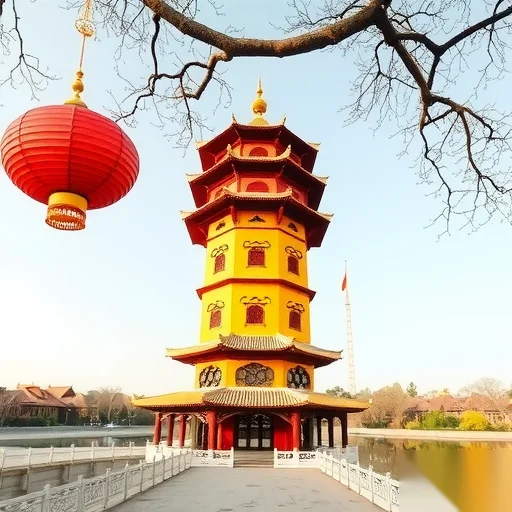
Hubei is a province rich in history, culture, and natural beauty, offering travelers a diverse range of experiences from ancient temples to modern cities. If you’re wondering how to plan a perfect Hubei travel itinerary, the answer lies in a well-structured plan that balances sightseeing, local culture, and relaxation. Whether you’re a first-time visitor or a seasoned traveler, this guide will help you make the most of your trip by highlighting the must-visit destinations, practical tips, and a sample itinerary that covers the highlights of the province.
Hubei is home to some of China’s most iconic landmarks, including the Yellow Crane Tower in Wuhan, the ancient city of Jingzhou, and the scenic beauty of the Yangtze River. However, with so much to see and do, it’s easy to feel overwhelmed. The key to a successful trip is to identify your interests and prioritize the attractions that align with them. For example, if you’re a history enthusiast, you might want to focus on ancient temples and historical sites, while nature lovers should plan for visits to the mountainous regions of Hubei.
Planning your Hubei itinerary also involves considering the best time to visit. The province experiences a subtropical climate with hot, humid summers and mild winters. The best time to travel is from April to June or September to November, when the weather is pleasant and the scenery is at its most beautiful. During these months, you can enjoy the blooming flowers in spring or the cool breezes of autumn without the discomfort of extreme heat or cold.
To make the most of your trip, it’s essential to divide your itinerary into manageable segments. A typical 5-day itinerary might include Wuhan as your base, with a day trip to Huanggang or Jiangling. If you’re looking for a more extended trip, you can extend your stay to include the scenic landscapes of the Dongting Lake area or the historical sites of Jingzhou. Each destination offers unique experiences, so it’s important to allocate enough time to explore each place thoroughly.
For instance, a sample itinerary could start with visiting the Yellow Crane Tower in Wuhan, one of the most famous landmarks in the province. The tower offers breathtaking views of the Yangtze River and is a symbol of Wuhan’s rich cultural heritage. The next day, you could take a day trip to Huanggang, where you can explore the local markets, sample traditional snacks, and enjoy the vibrant street culture. On the third day, you might travel to Jingzhou to visit the ancient city walls and the historical site of the Former Kingdom of Chu.
In addition to sightseeing, it’s important to experience the local cuisine. Hubei is known for its spicy and flavorful dishes, such as hot dry noodles, spicy crayfish, and the famous Hubei hot pot. Trying the local food is an essential part of any trip, so be sure to include at least one meal at a local restaurant or street vendor.
Transportation in Hubei is convenient, with a well-developed network of buses, trains, and flights. However, it’s always a good idea to plan your routes in advance and book tickets in advance, especially during peak travel seasons. If you’re traveling between cities, consider using high-speed trains, which are both fast and comfortable.
Another important consideration is accommodation. Hubei offers a wide range of options, from budget-friendly guesthouses to luxury hotels. If you’re staying in Wuhan, you’ll find that the city has a variety of hotels in different price ranges, making it easy to find a place that suits your budget. For a more authentic experience, consider staying in a traditional courtyard house in a historical area like Wuhan’s Old Town.
Lastly, it’s important to be mindful of the local customs and etiquette. Hubei is a province with a strong sense of community, and showing respect to local traditions and customs will enhance your overall experience. Whether you’re visiting a temple, a market, or a local home, being polite and respectful is always appreciated.



This guide is very helpful! I’m planning a trip to Hubei next month, and the itinerary suggestions are spot on. The tips on food and transportation were especially useful.
The information about the best time to visit is great. I didn’t realize the climate could affect my experience so much. I’ll definitely plan my trip during spring or autumn.