
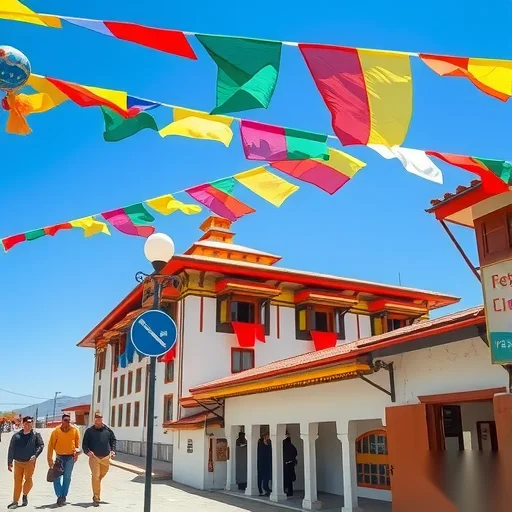
Lhasa, the sacred city of Tibet, is a dream destination for many travelers. With its breathtaking landscapes, rich cultural heritage, and spiritual significance, it’s no wonder that people are eager to visit. However, planning a trip to Lhasa can be overwhelming, especially for first-time visitors. The key to a successful trip lies in careful preparation and understanding the unique challenges of traveling in this region. Whether you’re looking for a short weekend getaway or an extended cultural immersion, this guide will help you create the perfect Lhasa travel itinerary.
First and foremost, it’s essential to understand the logistics of traveling to Lhasa. The city is located at an altitude of over 3,600 meters, which means that altitude sickness is a common concern. To mitigate this, it’s recommended to acclimatize properly before engaging in any strenuous activities. Additionally, the weather in Lhasa can be quite unpredictable, with sudden changes in temperature and weather conditions. Being prepared with the right clothing and gear is crucial for a comfortable and enjoyable trip.
Another important factor to consider is the transportation options available to reach Lhasa. The most common routes include flying from major cities such as Beijing, Shanghai, or Chengdu, as well as taking a long-distance bus or train. Each option has its own set of advantages and disadvantages, so it’s important to research and choose the one that best fits your travel plans and budget. Once you arrive in Lhasa, getting around the city and its surrounding areas can be done by car, motorcycle, or public transportation. However, due to the terrain and limited infrastructure, it’s often more convenient to hire a local guide or rent a vehicle for greater flexibility.
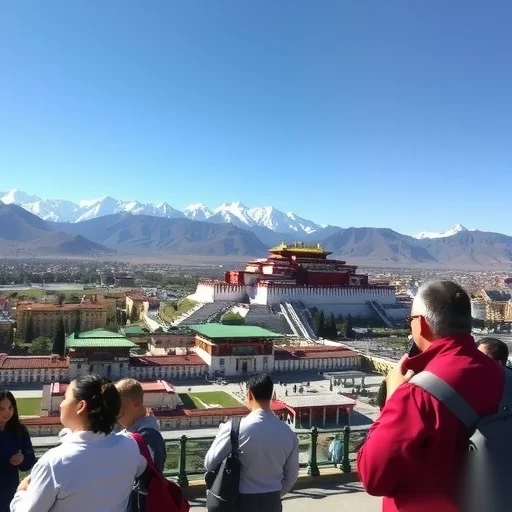
When planning your itinerary, it’s also important to allocate time for the must-see attractions in Lhasa. The Potala Palace, Jokhang Temple, and Barkhor Street are just a few of the iconic sites that should not be missed. However, it’s equally important to balance your schedule with time for rest and acclimatization. Overexerting yourself can lead to health issues, so it’s best to pace yourself and take things slowly.
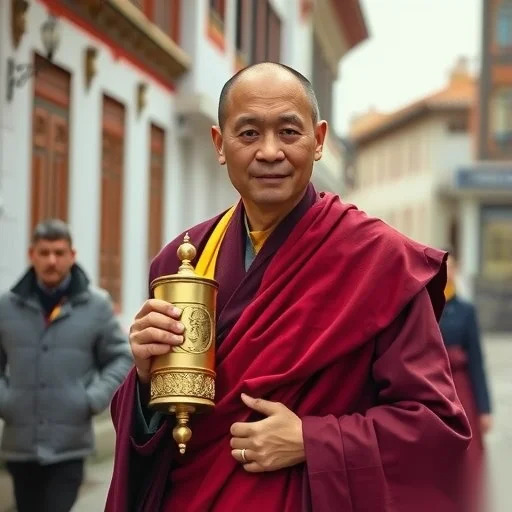
In addition to the major attractions, Lhasa is also home to a variety of cultural experiences that can enrich your trip. Visiting local monasteries, participating in traditional Tibetan festivals, and exploring the markets for unique souvenirs are all excellent ways to immerse yourself in the local culture. It’s also worth considering the timing of your visit, as certain festivals and events may offer a more authentic and engaging experience.
To make the most of your trip, it’s advisable to plan your activities in advance and book accommodations and transportation well in advance, especially during peak travel seasons. This will help ensure that you have a smooth and hassle-free experience. Additionally, it’s important to be respectful of local customs and traditions, as Lhasa is a deeply spiritual city with a strong cultural identity.
One practical example of a well-planned Lhasa itinerary involves spending the first few days acclimatizing to the altitude and exploring the city’s main attractions. After that, travelers can venture out to nearby destinations such as Mount Everest, Namtso Lake, or the Tibetan Plateau. This approach allows for a gradual and enjoyable exploration of the region while minimizing the risk of altitude sickness.
In conclusion, planning a perfect Lhasa travel itinerary requires careful preparation, understanding of the local environment, and a balance between sightseeing and rest. By following the right steps and being mindful of the unique challenges of traveling in this region, you can create an unforgettable experience in one of the most culturally and spiritually significant cities in the world.


Lhasa has always been on my bucket list, and this guide makes it easier than ever to plan my dream trip.
This is the most comprehensive Lhasa travel guide I’ve come across. It’s a must-read for anyone planning a visit to Tibet.
I’m so glad I found this article before my trip—everything from transportation to cultural etiquette is covered in detail.
The tips on acclimatizing to the altitude were especially helpful. I’m looking forward to experiencing Lhasa’s beauty without any health issues.