
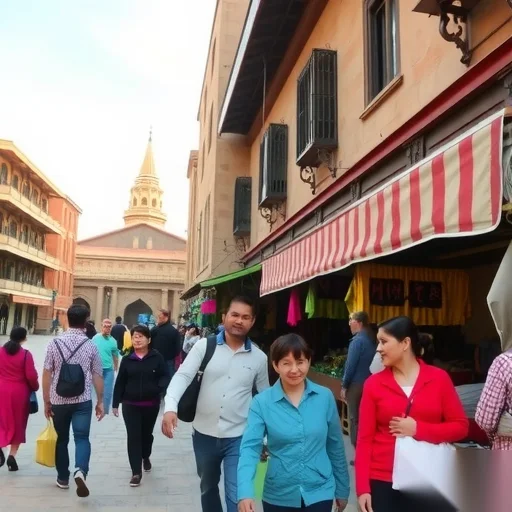

Xinjiang, the westernmost region of China, is a land of breathtaking landscapes, rich cultural heritage, and diverse ethnic traditions. For travelers looking to experience the true essence of Xinjiang, the challenge lies in navigating its vast geography, understanding its unique culture, and making the most of your time. This guide offers a straightforward solution: plan your trip with a mix of cultural immersion, natural exploration, and local wisdom to ensure you see Xinjiang like a local.
Xinjiang is a place where the past and present coexist in harmony. From the ancient Silk Road cities of Kashgar and Urumqi to the vast deserts of Dunhuang and the snow-capped peaks of the Tianshan Mountains, there’s something for every traveler. However, without proper planning, it’s easy to miss the hidden gems and cultural nuances that make Xinjiang so special. The key is to approach your journey with an open mind and a well-thought-out itinerary that balances adventure with cultural respect.
Start by choosing the right time to visit. The best months to explore Xinjiang are April to June and September to October, when the weather is mild and the landscapes are at their most vibrant. During these months, you’ll also have the chance to witness the blooming of wildflowers in the grasslands and the harvest season in the oases. Avoid the summer months, when temperatures can soar, and the winter months, when some areas may be inaccessible due to snow.
Next, prioritize cultural experiences. Xinjiang is home to the Uyghur, Kazakh, and other ethnic groups, each with its own traditions, music, and cuisine. Visiting a local market in Kashgar, such as the Old City, is a must. Here, you can sample traditional foods like plov (pilaf), lagman (noodles), and skewered meats, while interacting with vendors who have been selling goods for generations. Don’t forget to try the famous Xinjiang tea, a strong black tea often served in small cups with sugar and milk.
For those seeking natural beauty, the region offers some of the most stunning landscapes in China. The Taklamakan Desert, often called the “Sea of Death,” is a must-see for adventurers. However, it’s important to travel with a guide or join a reputable tour group to ensure safety. The Pamir Mountains in the west offer a different kind of experience, with their towering peaks and remote villages. If you’re looking for something more accessible, the Tianshan Mountains provide breathtaking views, hiking trails, and opportunities to visit local yurts.
A trip to Xinjiang wouldn’t be complete without visiting the historical sites that dot the region. The ancient city of Khotan, with its well-preserved Buddhist temples and carvings, is a fascinating glimpse into the region’s past. The Mogao Caves near Dunhuang, a UNESCO World Heritage Site, house thousands of Buddhist murals and sculptures that date back over a thousand years. These sites not only showcase the region’s rich history but also offer a deeper understanding of the cultural exchanges that shaped Xinjiang.
To truly experience Xinjiang, consider staying in local accommodations. Guesthouses in cities like Urumqi or Kashgar offer a more authentic experience than hotels. Many are run by local families who are happy to share stories about their heritage and traditions. If you’re up for a unique adventure, try staying in a yurt in the countryside, where you can enjoy the stars and the silence of the desert.
One of the most rewarding aspects of traveling in Xinjiang is the warmth and hospitality of the locals. Whether you’re sharing a meal with a Uyghur family or learning about the history of a local village, the people of Xinjiang are known for their friendliness and generosity. Engaging with them can provide insights that no guidebook can match.
A case example of a successful trip would be a traveler who spent a week exploring Xinjiang by combining cultural experiences with natural wonders. They started in Urumqi, visiting the Red Mountains and the Bole Lake, then moved to Kashgar to explore the Old City and the nearby Khotan. From there, they traveled to the Taklamakan Desert, joined a guided tour, and ended their trip in the Pamir Mountains, where they stayed in a local yurt and shared stories with the villagers. This itinerary allowed them to experience the best of Xinjiang while respecting the local culture and environment.
In conclusion, traveling in Xinjiang requires careful planning and an appreciation for its unique culture and landscapes. By focusing on cultural immersion, natural exploration, and local interactions, you can ensure a memorable and authentic experience. With the right approach, Xinjiang can be one of the most rewarding



The article gave me a great insight into experiencing Xinjiang like a local. I’m excited to plan my trip now.
This guide seems perfect for someone who wants to avoid the tourist traps and really connect with the local culture.
The tips on interacting with locals and trying authentic food are exactly what I needed for a more immersive experience.
I loved the photos of Kashgar, it looks like such a vibrant place with so much culture to explore.
I didn’t know Xinjiang had so much to offer beyond the famous landmarks. Thanks for the recommendations!