


For first-time visitors to Beijing, planning a self-guided tour can feel overwhelming. The city is vast, with countless attractions, and without a clear plan, you might miss out on the best experiences. The key is to focus on the essentials: prioritize must-see landmarks, plan efficient routes, and budget wisely. By following a structured approach, you can make the most of your time in Beijing without feeling lost or stressed.
Beijing is a city of contrasts—ancient palaces and modern skyscrapers, traditional tea houses and high-tech shopping malls. To truly appreciate it, you need to balance sightseeing with local culture. Start by selecting a few core areas to explore, such as the Forbidden City, the Summer Palace, and the hutong neighborhoods. These locations offer a mix of history and daily life, giving you a well-rounded view of the city.
One of the biggest challenges of a self-guided tour is managing time and avoiding crowds. To tackle this, create a flexible itinerary that allows for spontaneity. For example, spend a full day in the old city center, visiting the Forbidden City, the Temple of Heaven, and nearby markets. In the afternoon, take a short walk through the hutong area to experience local life. This approach ensures you see the highlights without feeling rushed.
Transportation is another critical factor. Beijing has an extensive public transport system, including subways, buses, and taxis. The subway is the most efficient option, with clear signage and frequent service. However, it’s essential to plan your routes in advance using apps like Baidu Maps or the official Beijing Subway website. For short distances, walking or using shared bikes (like Mobike) can be both convenient and eco-friendly.
Accommodation should be chosen based on your travel style. If you prefer convenience, staying near the city center, such as in Dongcheng or Xicheng districts, gives easy access to major attractions. For a more immersive experience, consider staying in a hutong neighborhood or a boutique hotel that offers a glimpse into local culture. Booking in advance is recommended, especially during peak travel seasons.
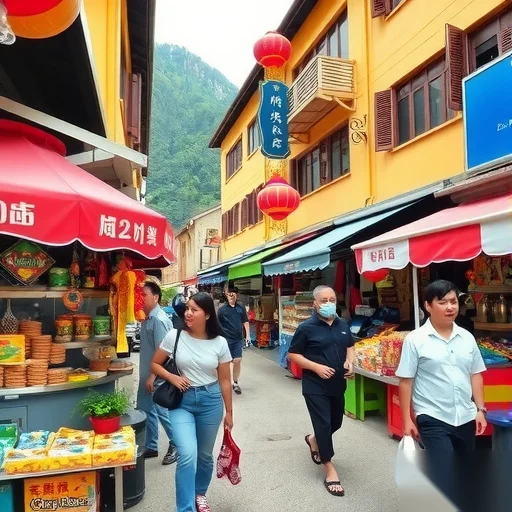
Dining is an essential part of any trip, and Beijing has a rich culinary scene. Don’t miss the chance to try Peking duck, a must-try dish that’s a symbol of the city. Local markets like Wangfujing and Dashilan offer a variety of street food and traditional snacks. For a more authentic experience, visit a local tea house or a family-run restaurant in a hutong.
A self-guided tour allows for personalization, but it’s still important to have a backup plan. Weather conditions, unexpected closures, or delays can affect your schedule. Keep a flexible mindset and be ready to adjust your plans. For instance, if the Forbidden City is closed for maintenance, use the time to explore nearby museums or parks.
To give you a real-world example, consider a three-day itinerary:
– **Day 1**: Visit the Forbidden City, the Temple of Heaven, and the hutong area.
– **Day 2**: Explore the Summer Palace and the Beijing Olympic Park.
– **Day 3**: Take a day trip to the Great Wall of Badaling or the Summer Palace.
This structure ensures you see the main attractions while leaving room for unexpected discoveries.

Finally, remember to respect local customs and traditions. Dress modestly when visiting temples, and be mindful of quiet hours in historical sites. By combining preparation with flexibility, you can create a memorable and enjoyable self-guided tour of Beijing.



I love how the article balances practical advice with cultural insights. It’s easy to follow and gives a real sense of what to expect in Beijing.
This guide was super helpful! I followed the tips and managed to see all the major sites without feeling overwhelmed. The itinerary ideas were perfect for a first-time visitor like me.
The image of the Peking duck was a great visual reminder of what to try. I’m already planning my next visit and can’t wait to try it!