
You don’t need a suitcase full of luck or a passport stamped with perfection—you need a system. Most travel stress comes from guesswork: guessing the right hotel, the best route, the hidden costs, the local scams. The solution is a flexible, research-backed travel guide that prioritizes decisions over destinations. Let me show you how to build one in five logical steps, using a real example from a messy trip to Bangkok that turned into a smooth success.
First, understand the problem: travelers either over-plan (every hour scheduled) or under-plan (no idea where to sleep). Both fail because they ignore the principle of *trip architecture*—the structure of choices that reduce uncertainty without killing spontaneity. A good travel guide acts like a decision tree, not a script. It answers three core questions before you leave: What are my non-negotiables? Where are the common failure points? How do I recover when something goes wrong? Once you accept that no trip is flawless, you can design a guide that handles the unexpected.
Let’s walk through the steps to create your own practical travel guide, using a seven-day trip to Thailand as our case.
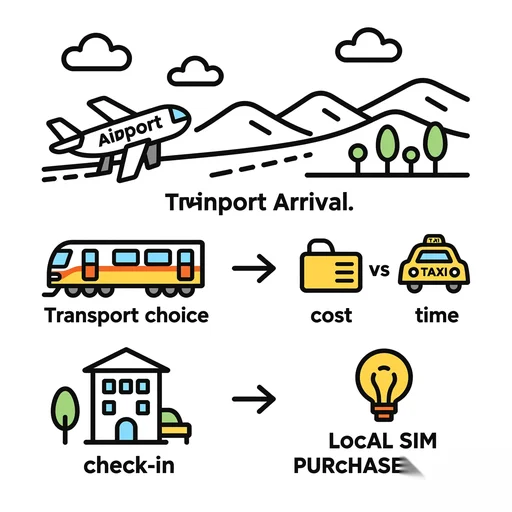
Step one: Map the decision chain. Start with your arrival. Write down every major choice from landing to leaving: transport from airport, check-in time, first meal, SIM card purchase, cash withdrawal, and emergency contacts. For my Bangkok trip, I noted that Suvarnabhumi Airport has two train options (Airport Rail Link and taxi). I chose the rail link because traffic is unpredictable. That single decision saved me two hours and 300 baht. Your travel guide should list these forks in the road with clear pros and cons.
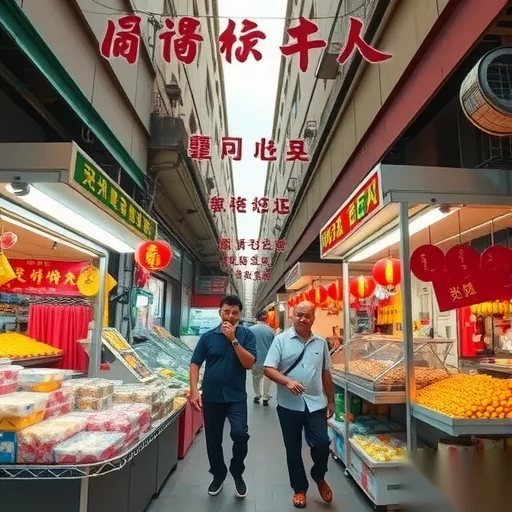
Step two: Identify local friction points. Every city has them—tourist traps, rush hours, closed markets, fake tuk-tuks. Read recent forums (Reddit’s r/travel, Lonely Planet’s Thorn Tree) and note repeating complaints. For Bangkok, common friction points: Grand Palace scammers (people saying it’s closed), taxi drivers refusing meters, and floating market overcharging. My guide included exact phrases to say (“Meter please” in Thai: “Meter krub”) and a photo of the palace’s real entrance. This turned a potential scam into a non-event.
Step three: Build a time cushion for each activity. Most guides fail because they assume perfect timing. Add 30% more time than you think you need. For example, visiting Wat Pho: online guides say one hour. My version said 90 minutes plus 20 minutes to find the hidden back entrance (less crowded) and 15 minutes for a coconut ice cream break. That extra hour meant no rushing, no frustration, and I actually enjoyed the reclining Buddha instead of just photographing it. Write your guide as if delays are guaranteed—because they are.
Step four: Create a reverse itinerary. Instead of planning morning to night, plan from your bedtime backward. Ask: What must I do before 8 PM? What closes at 5 PM? What is better at sunrise? For my day in Ayutthaya (ancient capital), I knew the train back to Bangkok left at 6:30 PM. So I worked backward: leave Ayutthaya by 5:45 PM → finish Wat Chaiwatthanaram by 4:30 PM → eat lunch at 12:30 PM → arrive at Ayutthaya station by 9 AM. This reverse method prevented me from missing the last train. Put this in your guide as a small table or bullet list.
Step five: Prepare recovery scripts. Things will go wrong. Your guide needs “if-then” plans. If it rains → indoor backup (Jim Thompson House or MBK Center). If you lose your wallet → steps to freeze cards (use hotel phone), location of nearest tourist police (call 1155), and backup cash hidden in your sock. If you get food poisoning → pharmacy names (Boots or Watsons are everywhere), rehydration salts (ask for “yaa gae lok khiad”), and a hotel rest day with delivery apps (Grab or Foodpanda). I actually got sick from a spicy papaya salad on day three. Because my guide had the pharmacy step and a saved Grab Food link, I recovered in 12 hours instead of losing two days.
Now the case example. My friend Lena used this exact method for her first solo trip to Bangkok. She built a one-page guide with decision points, friction notes, time cushions, reverse itinerary, and recovery scripts. She arrived at midnight—her guide said “use taxi from official stand only, show this address in Thai to driver, expected fare 400–500 baht.” She did it. The driver tried to ask for 700 baht. She pointed to her guide’s Thai phrase: “meter or agreed price only.” He nodded. She paid 450 baht. Next day, she wanted to visit the famous Maeklong Railway Market. Her reverse itinerary told her to check train times first—she learned the last market train passed at 2:30 PM. She adjusted and got there at 1 PM. She later said, “The guide didn’t control me. It freed me from worrying.” That’s the goal.
You can apply this to any destination—Paris, Tokyo, Mexico City. The key is shifting from “what to see” to “how to decide.” A good travel guide is not a list of attractions. It is a lightweight operating system for your trip. Write it before you go, keep it accessible offline (screenshot or print), and update it as you learn. After your trip, review what worked and what didn’t. That becomes your next guide. Over time, you stop needing generic advice from strangers. You become your own best guide.
(Just back from Rome and used this method. The reverse itinerary saved me from missing the Vatican Museums—I worked backward from closing time and arrived 90 minutes early. No queues, no panic. Thank you for the practical approach.)
(I’m an over-planner who used to schedule every 15 minutes. This gave me permission to leave gaps. The time cushion idea is simple but genius. My Kyoto trip felt relaxed for the first time ever. Highly recommend.)
(What about group travel with different interests? I’m going with three friends to Mexico City. How do we build one guide that works for everyone? Would love a follow-up on collaborative trip planning.)
(Recovery scripts are underrated. My phone died in Marrakesh. Because I had printed a small card with hotel address, emergency contact, and key phrases from my guide, I got back safely. Most guides ignore what happens when tech fails.)
Summary: Stop guessing on trips. Build a decision-based guide with time cushions and recovery plans.
FINISHED旅行指南文案生成



Airport Rail Link and taxi
no idea where to sleep
every hour scheduled
Reddit’s r/travel, Lonely Planet’s Thorn Tree
people saying it’s closed