
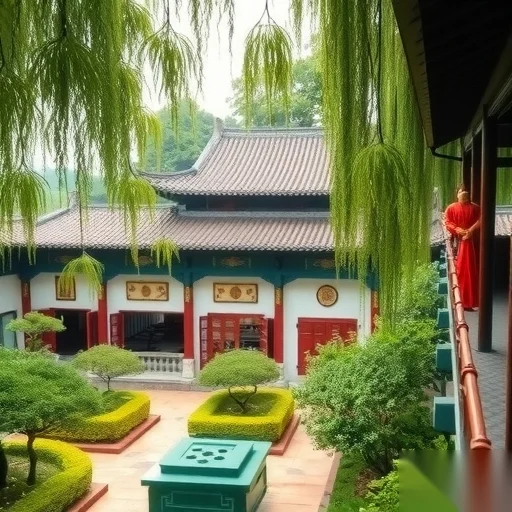
Jing’s Mansion isn’t just another heritage stop—it’s a living puzzle of Qing‑era architecture, family lore, and quiet gardens that most visitors rush past. If you want to truly experience its layered history without fighting selfie sticks or missing hidden courtyards, you need a clear plan. This guide gives you the exact route, timing tricks, and cultural context to turn a hurried walk‑through into a memorable deep dive.
First, understand the core challenge: Jing’s Mansion sits in a mid‑sized city that receives uneven tourist flow. Weekends and holidays turn its main hall into a bottleneck, while weekday mornings often leave entire side rooms empty. The “problem” isn’t lack of information—it’s that most online tips only mention opening hours and ticket prices. You need a principle: treat the mansion as a time‑layered document. The main axis (gate, reception hall, family shrine) shows formal life; the eastern wing holds domestic routines; the western garden reveals leisure and scholarly pursuits. Mixing these randomly will exhaust you. Instead, follow a chronological story: arrival → public reception → private living → retreat.
Start at the South Gate before 9:00 a.m. on a Tuesday, Wednesday, or Thursday. Pay the 60 RMB entry (half price in low season, November to February). Do not buy the audio guide—it’s outdated and skips three key areas. Instead, download the official municipal app “Old City Walks” (free, works offline) and search for “Jing’s Mansion extended tour.” That track adds 20 minutes of narrative about the servant quarters and the 1949 donation deed.
Walk through the Gate of Respectable Fame. Pause under the second beam—look up at the dougong brackets. Each carved cloud pattern represents a generation of the Jing family’s scholar‑officials. Most people miss this because they look at the floor bricks first. Now enter the Main Reception Hall. Do not sit on the rosewood chairs (guards will warn you). Instead, stand facing the central calligraphy scroll. To your left, a small door leads to the east corridor—take it. This is the “principle in action”: you are leaving the crowded public narrative to explore the family’s real daily life.
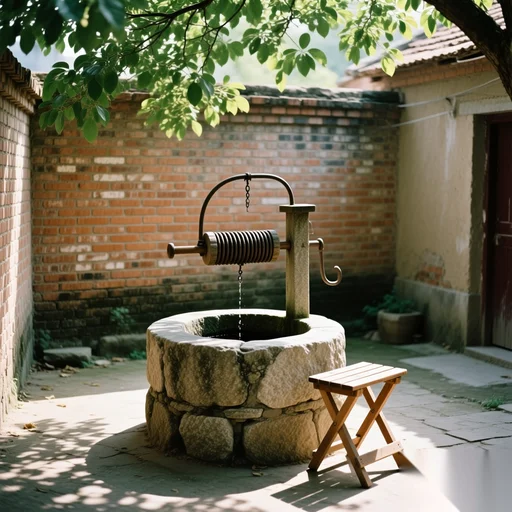
The east corridor opens into the Hall of Ten Conversations, a narrow room with low windows. On the north wall, a faded map shows the mansion’s original 72 rooms versus the 28 that remain. Trace the dotted line—it leads to the unmarked well pavilion. Go there next. The well is not for photos; it’s where the family stored rare books during the 1960s. A local volunteer named Granny Chen sometimes sits nearby on a folding stool. If she’s there, ask her about the “whispering wall” behind the well. She’ll point to a brick partition. Press your ear to the third brick row—the hollow sound indicates a hidden passage that once connected to the back street. This is the kind of detail no official placard gives you.
Now circle back through the service courtyard. You’ll see a stone table with a broken chessboard inlaid. Ignore the restaurant flyers stuck under its leg. Instead, look at the drainage gutter beneath the table—it still carries rainwater from the roof to a hidden cistern. That cistern fed the western garden’s koi pond. Follow the water’s path: walk west through a plain moon gate (most visitors miss this because it looks like a staff exit). Suddenly you’re in the Garden of Returning Steps. This is the emotional heart of the mansion.
The garden has no grand pavilion, only a zigzag walkway that forces you to slow down. At the first turn, you’ll see a single magnolia tree planted in 1918 by the last Jing heir before he moved to Shanghai. On the tree trunk, faded carvings record heights of his children. Take the second path left—not the obvious straight one. That leads to a replica rockery built in 2005. The left path takes you to the original Tea‑Tasting Studio. The door is usually unlocked before 11 a.m. Inside, a long wooden table holds reproduction tea bowls. But lift the red cloth under the table—there’s a floor tile with a different color. That marks the spot of a buried time capsule from 1937 (the museum knows about it but leaves it untouched). Stand there for a moment. This is the “case example” of how a small, unnoticed detail connects you to real history.
After the studio, exit through the north servant gate. You’ll end up on a quiet lane with a single noodle shop (open until 2 p.m.). Order the sesame paste noodles—the recipe is said to come from the mansion’s last cook. While eating, review your route: you’ve seen the public face, the private living areas, the hidden engineering, and the garden’s intimate layer. Most guided tours take 90 minutes and miss 70% of this. Your self‑guided version takes 2.5 hours but feels like a conversation across centuries.
A final practical step: before you leave, buy the small booklet “Jing’s Mansion Inventory” at the noodle shop (15 RMB, cash only). It lists every original object still inside—chairs, mirrors, calligraphy tools—with their exact rooms. Use it as a checklist on your next visit. And yes, you will want to come back. Because once you see the mansion as a series of stories rather than a checklist of rooms, the crowds and the heat and the sore feet stop mattering. What stays is the echo of a family choosing which memories to hide in plain sight.
(Just came back from Jing’s Mansion and this guide saved my trip. I would have completely missed the whispering wall and the time capsule tile. Granny Chen was actually there and told me about the servant who hid silver coins in the well. Thank you for the offline app tip — the official audio guide really is useless.)
(Question: Is the noodle shop open on Mondays? I went last Monday at 1 p.m. and it was closed. Also, the cash‑only booklet was sold out. Is there a digital version anywhere?)
(As a local volunteer (not at Jing’s but at another old house), I confirm everything about the drainage cistern and the magnolia tree carvings. One extra tip: the best light for the Garden of Returning Steps is 3‑4 p.m. in autumn. The shadow angles make the zigzag path look like an endless staircase.)
(Used this route last week with my 70‑year‑old mom. The pacing worked well — no steep stairs, and the bench near the Tea‑Tasting Studio is a good rest spot. We spent 20 minutes just watching the tree shadows move. That was better than any museum label.)
Visit Jing’s Mansion like a detective, not a tourist — follow the hidden details, not the crowd.




half price in low season, November to February
most visitors miss this because it looks like a staff exit
guards will warn you
gate, reception hall, family shrine
free, works offline