
If you’re planning a photography trip to Maoming and want to capture its unique beauty without missing out on the best spots, this guide will help you plan your itinerary like a pro. Maoming, a city rich in natural landscapes, cultural heritage, and historical sites, offers endless opportunities for creative shots. But with so many options, it can be overwhelming to know where to start. This guide breaks down the key locations, tips for shooting at the right time of day, and how to make the most of your visit to ensure you come home with a stunning photo collection.
Maoming is a hidden gem for photographers, blending traditional architecture with lush greenery and coastal beauty. From the ancient temples of Lianhuacun to the vibrant markets of the old town, every corner of the city has a story waiting to be told through your lens. However, without a clear plan, you might miss out on the most iconic spots or struggle with lighting and composition. That’s why it’s essential to research and prepare before you go.
One of the first things to consider is the time of day. Golden hour, which occurs just after sunrise or before sunset, is ideal for photography as it provides soft, warm light that enhances colors and textures. In Maoming, the best times to shoot are typically between 6:30 AM and 8:30 AM, and 5:30 PM to 7:30 PM. These periods allow you to capture the city’s landmarks in a more flattering light. Additionally, if you’re shooting in the countryside or near the coast, the light will change more dramatically, so planning your shots around these times can make a huge difference.
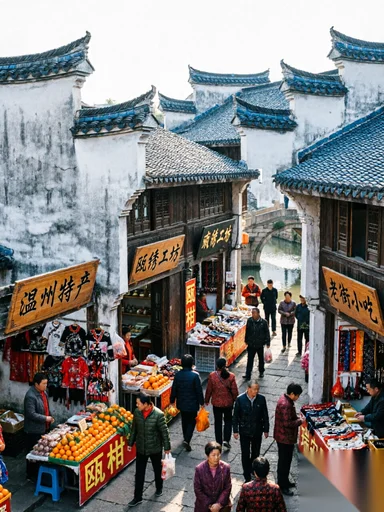
Another crucial factor is knowing where to go. Maoming has several must-visit spots for photography, each with its own unique charm. For instance, the Lianhuacun Ancient Village is a fantastic location for capturing traditional Chinese architecture and local culture. The stone walls, wooden houses, and narrow alleys create a perfect backdrop for both street and landscape photography. Don’t forget to include the local people in your shots—there’s a great sense of community in the village, and capturing candid moments can add a human element to your photos.
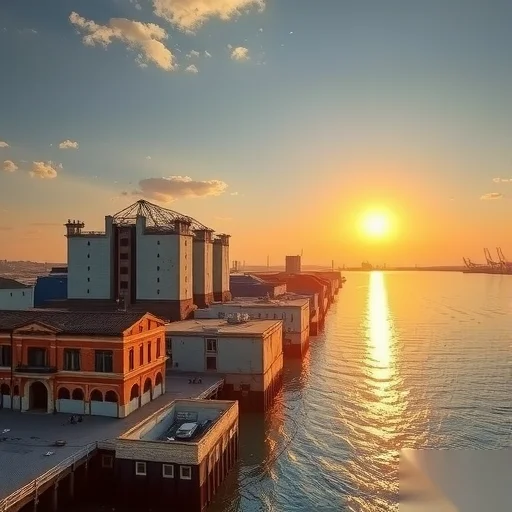
If you’re interested in coastal photography, the Maoming Port and the nearby beaches are excellent choices. The port offers a mix of modern and traditional elements, with old warehouses and new developments standing side by side. This contrast can lead to some striking compositions. For beach photography, the best time is during low tide, when you can explore tide pools and capture the natural beauty of the shoreline.
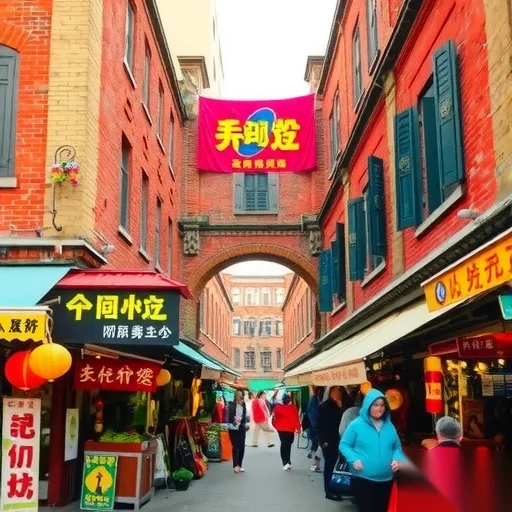
For those who love urban landscapes, the old town of Maoming is a treasure trove of architectural details. The narrow streets, red-brick buildings, and bustling markets provide endless opportunities for street photography. Don’t be afraid to interact with locals—many are happy to pose for photos, especially if you approach them with a friendly attitude.
In addition to knowing where to go and when to shoot, it’s important to bring the right equipment. A DSLR or mirrorless camera with a good zoom lens will give you flexibility, but even a smartphone with a high-quality camera can produce stunning results if you know how to use it. A tripod is also useful for long exposures, especially when shooting at night or in low-light conditions.
To give you a better idea of how to put these tips into action, let’s look at a case example. Imagine you’re visiting Maoming for the first time and want to capture the city’s beauty. You start your day at 6:30 AM, heading to Lianhuacun Ancient Village. You take advantage of the golden hour to photograph the traditional architecture, capturing the warm light reflecting off the wooden structures. Later, you head to the Maoming Port to take some urban shots, using a wide-angle lens to include both the modern and traditional elements of the scene. In the evening, you return to the old town to photograph the bustling market, using a fast shutter speed to capture the movement of people and goods. This itinerary ensures you get a well-rounded view of Maoming’s photographic offerings.
Finally, remember to be patient and stay open to unexpected opportunities. Sometimes the best photos come from the most spontaneous moments. Whether it’s a local festival, a quiet moment in a garden, or a sunrise over the sea, Maoming has something for every type of photographer.



This guide seems perfect for someone who loves nature and history. I can’t wait to visit Maoming and follow these tips!
I’m a photography enthusiast and this article has given me some great ideas for my upcoming trip to Maoming. Thanks for the detailed insights!
Maoming looks like a hidden gem for photographers. I’ll definitely be referencing this guide to make the most of my visit.