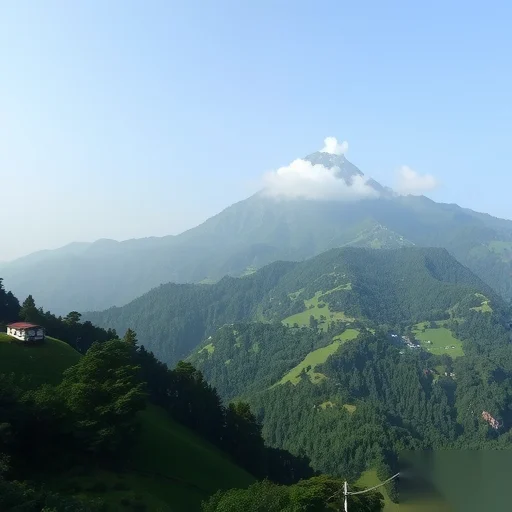
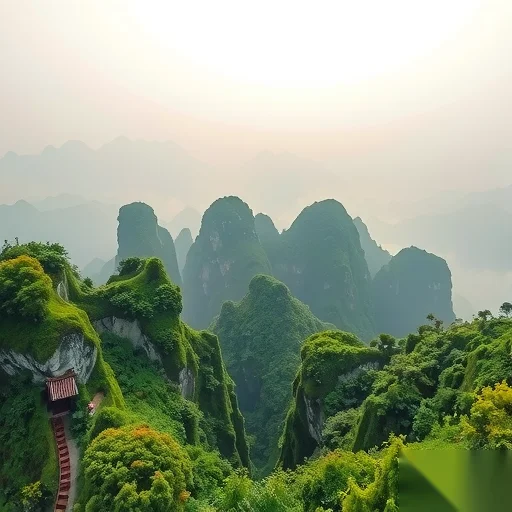
Zhangjiajie is one of the most iconic destinations for photographers in China, famous for its towering sandstone pillars, lush forests, and breathtaking landscapes. If you’re planning a photography trip to Zhangjiajie, you might be wondering how to capture the best shots without missing out on the key spots or wasting time on the wrong techniques. The answer is simple: plan your shots strategically, understand the light, and choose the right equipment. This guide will walk you through everything you need to know to take stunning photos in Zhangjiajie, from the best viewpoints to the best times to visit.

Before you even arrive, it’s essential to research the best spots to photograph. Zhangjiajie National Forest Park is the most famous area, with its unique rock formations and glass bridge. However, there are also lesser-known locations like Tianmen Mountain and the nearby villages that offer equally stunning views. To avoid crowds and get the best light, plan your visit during the early morning or late afternoon when the sun is low and the colors are more vivid.

Lighting is one of the most important factors in photography, and in Zhangjiajie, the right time of day can make all the difference. The golden hour, which occurs just after sunrise and before sunset, provides soft, warm light that enhances the natural beauty of the landscape. During this time, the mist tends to be thicker, creating a dreamy, ethereal atmosphere that is perfect for landscape photography. If you’re shooting during the midday sun, you’ll find the shadows are harsh and the colors are less vibrant, so it’s best to avoid this time if you want to capture the most striking images.
In addition to timing, it’s important to know how to compose your shots. Zhangjiajie’s unique rock formations offer endless opportunities for creative compositions. Use the rule of thirds to position your subject off-center, and experiment with different angles to add depth and interest to your photos. A low-angle shot from the ground can make the pillars appear even taller and more dramatic, while a wide-angle shot from a higher vantage point can capture the full scale of the landscape.

If you’re visiting the glass bridge, be sure to take advantage of the unique perspective it offers. The bridge is suspended over a deep canyon, and the views from above are absolutely stunning. However, it’s important to note that the bridge can be crowded, especially during peak tourist season, so it’s best to visit early in the morning or during the week to avoid the crowds.
Another must-visit spot is the Tianmen Mountain, which offers some of the most dramatic views in the area. The mountain is famous for its giant gate-like rock formation, and the surrounding valleys are filled with lush greenery and cascading waterfalls. The best time to photograph Tianmen Mountain is during the early morning when the mist is still present, creating a magical, almost otherworldly atmosphere.
When it comes to equipment, a good camera with a wide-angle lens is essential for capturing the vast landscapes of Zhangjiajie. A tripod is also highly recommended, especially for long exposures and sunrise/sunset shots. If you’re using a smartphone, make sure to enable the portrait mode and use a stabilizer to avoid blurry images.

To give you a real-world example, let’s look at a case study of a photographer who visited Zhangjiajie and successfully captured some of the most iconic shots. Sarah, a travel blogger, planned her trip by researching the best spots and times to visit. She arrived early in the morning and headed straight to the Tianmen Mountain, where she captured a stunning shot of the misty landscape with the golden light casting a warm glow over the rocks. She also visited the glass bridge during the early morning hours, avoiding the crowds and capturing the unique perspective from above. Her final shots were featured on her blog and received a lot of positive feedback from readers.
In conclusion, capturing the best photos in Zhangjiajie requires careful planning, an understanding of lighting and composition, and the right equipment. By following these tips and visiting the right spots at the right times, you