
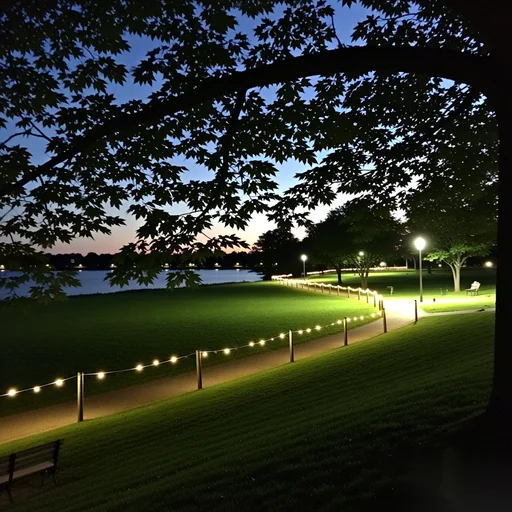
Nighttime park visits can be magical, but they also come with unique challenges. The key to a successful night park adventure lies in preparation, safety, and knowing what to expect. Whether you’re looking to unwind, enjoy the quiet, or explore under the stars, this guide will help you make the most of your nighttime park experience.
Walking in the park at night can be both peaceful and thrilling, but it’s important to be aware of your surroundings. Unlike daytime strolls, nighttime hikes require extra attention to safety, lighting, and comfort. Many parks are less crowded, which can be a blessing, but it also means you’ll need to be more mindful of your route and belongings. The right preparation can turn a simple walk into a memorable experience.
First, choose the right park. Not all parks are open at night, and those that are may have limited lighting or restricted areas. Research the park’s hours, lighting conditions, and any specific rules about nighttime visits. Some parks offer guided night tours or special events, which can be a great way to explore safely and enjoy the experience with others. If you’re planning a solo visit, opt for a well-lit area with clear trails and nearby facilities.
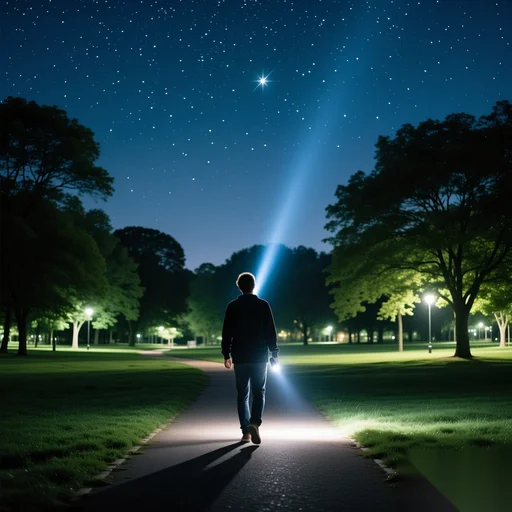
Next, pack the essentials. A good pair of comfortable shoes is a must, as uneven terrain can be tricky underfoot after dark. Bring a flashlight or headlamp, and consider carrying extra batteries. A small backpack with water, snacks, and a first-aid kit can also be useful. Don’t forget to dress in layers—nighttime temperatures can drop, and you may encounter unexpected weather.
Safety is paramount. Stick to well-traveled paths and avoid shortcuts or unfamiliar areas. Let someone know your plans, including your route and expected return time. If you’re hiking alone, keep your phone charged and accessible in case of emergencies. It’s also a good idea to inform the park staff or nearby neighbors about your visit, just in case.
To enhance your experience, consider the time of night. Early evening walks, around 7–8 PM, offer the best of both worlds: the warmth of the day and the soft glow of streetlights. As the night deepens, the park transforms into a serene, almost dreamlike setting. You might even spot nocturnal wildlife, such as owls, foxes, or fireflies, adding an extra layer of excitement to your walk.
For those who enjoy the rhythm of the night, consider bringing a small notebook or camera. The soft glow of moonlight can create stunning visuals, and capturing these moments can make your visit even more special. Some parks have designated areas for stargazing, so if you’re interested in astronomy, check if the park has a clear view of the sky and minimal light pollution.
Let’s take a real example: Sarah, a city dweller, decided to try a night walk at a local park. She researched the park’s hours, packed a headlamp, and brought a small picnic basket with trail mix and a thermos of tea. She chose a well-lit path near the lake and walked for an hour, enjoying the gentle breeze and the sounds of crickets. She even spotted a family of raccoons near the shoreline and took a few photos. By the end of the evening, she felt a sense of peace and connection with nature that she hadn’t experienced in a long time.
If you’re planning your first night park visit, start small and build up. You don’t need to tackle a long trail right away—short, leisurely walks can be just as rewarding. Over time, you’ll become more comfortable with the rhythm of the night and the subtle beauty of the park after dark.




I loved the tips on safety and preparation! As someone who’s never hiked at night, this guide was super helpful. I’ll definitely try it next weekend.
I’m a bit nervous about walking alone at night, but the advice about letting someone know your plans and staying on well-lit paths eased my worries a bit.
The example with Sarah really brought it to life. It made me want to go explore my local park under the stars. Thank you for the inspiration!