
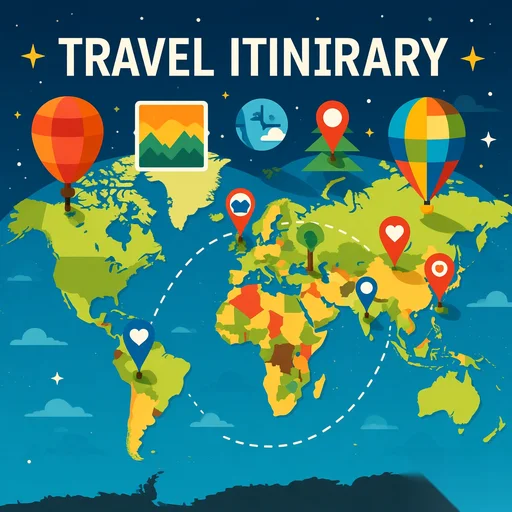
When you’re planning a trip and need to present your itinerary to friends or colleagues, creating a compelling travel guide PPT can make all the difference. The key to a successful presentation lies in organizing your content clearly, visually, and engagingly. Whether you’re a seasoned traveler or just starting out, this guide will help you craft a travel guide PPT that’s both informative and visually appealing.
A well-structured travel guide PPT should begin with a clear purpose. Are you sharing your travel experiences, planning a future trip, or helping others prepare for their journey? Defining your goal early on will help you focus on the right details and avoid unnecessary clutter. Think of your audience—will they be fellow travelers, family members, or colleagues? Understanding who you’re presenting to will shape the tone, depth, and style of your slides.
Design plays a crucial role in making your PPT stand out. A clean layout with consistent fonts and colors ensures that your content is easy to read and visually cohesive. Use high-quality images to capture the essence of your destination, and keep text concise to avoid overwhelming your audience. Each slide should have a clear message and serve a specific purpose. Avoid overcrowding slides with too much text; instead, use bullet points or short phrases to convey your ideas effectively.
When planning the structure of your PPT, start with an introduction that outlines your travel destination and purpose. Then, break down your presentation into sections such as itinerary, highlights, tips, and recommendations. Including a map or timeline can help your audience visualize your journey. Make sure to highlight key experiences and must-see attractions, and don’t forget to add practical tips like transportation options, accommodation suggestions, and local customs.
Let’s take a real-world example. Suppose you’re planning a trip to Japan. Your PPT might begin with an overview of Japan’s culture and geography, followed by a day-by-day itinerary. You could include images of famous landmarks like Tokyo Tower or Kyoto’s temples, along with brief descriptions of what to see and do. In the tips section, you might share advice on using public transport, navigating language barriers, and respecting local traditions. This approach not only informs your audience but also inspires them to explore the destination themselves.
Another essential element of a good travel guide PPT is interactivity. Encourage your audience to ask questions or share their own travel experiences. You could include a slide asking for their favorite travel tips or a quick quiz about the destination. Adding multimedia elements like short videos or audio clips can also enhance the presentation and make it more engaging. However, be mindful not to overdo it—keep the focus on the content and ensure that all elements support your main message.
Finally, review your PPT for clarity, consistency, and flow. Ensure that each slide transitions smoothly into the next and that your presentation tells a compelling story. A well-crafted travel guide PPT should not only inform but also inspire your audience to explore the world with confidence and excitement.



This guide is super helpful for creating a visually appealing and informative travel PPT. I especially liked the tips on design and structure!
I love the idea of adding interactive elements like quizzes and questions. It makes the presentation more engaging!
The example with Japan made it easier to understand how to organize the content. I’ll definitely use this for my upcoming trip!