
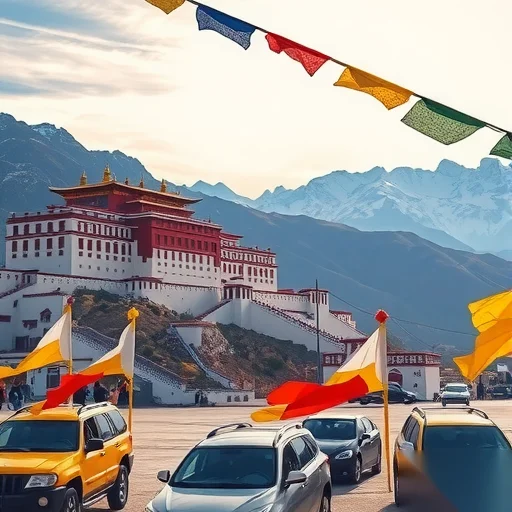
Going to Tibet is a dream for many travelers, but the cost and preparation involved can be overwhelming. If you’re wondering *how much does it cost to travel to Tibet and what should you prepare*, this guide will help you plan your trip with confidence. Tibet is a unique and sacred region with breathtaking landscapes, rich culture, and spiritual significance, but it also requires careful planning to ensure a smooth and enjoyable experience. From budgeting to necessary documents and travel tips, we’ll cover everything you need to know.
Traveling to Tibet involves several key considerations, including visa requirements, transportation options, and accommodation choices. The cost can vary significantly depending on your travel style—whether you choose a luxury trip or a budget-friendly adventure. On average, a 7-day trip to Tibet can range from ¥3,000 to ¥10,000, depending on the season, group size, and activities. It’s important to factor in expenses like flights, accommodation, meals, transportation within Tibet, and entrance fees to cultural sites.
One of the first steps in planning a trip to Tibet is securing a visa. Chinese citizens can apply for a Tibet Travel Permit, which requires a letter of invitation from a local tour agency. Non-Chinese citizens need a regular tourist visa and may also require a Tibet Entry Permit. It’s essential to start the application process early, as the approval process can take several weeks. Additionally, travelers must be aware of the altitude and acclimatization requirements, as Tibet is known for its high elevation and potential for altitude sickness.
Transportation to Tibet is another crucial factor. The most common way to reach Tibet is by flying into Lhasa or Chengdu and then taking a train or bus to other regions like Shigatse or Nyingchi. Flights from major cities like Beijing, Shanghai, or Chengdu can cost between ¥1,500 and ¥3,000, depending on the season and availability. Once in Tibet, you can rent a car, join a guided tour, or travel by public transportation. However, it’s important to note that some areas in Tibet are only accessible by road, and travel permits may be required for certain routes.
Accommodation options in Tibet range from budget-friendly guesthouses to luxury hotels. In Lhasa, you can find a variety of hotels and hostels, while more remote areas like Everest Base Camp or Mount Kailash may require staying in simpler lodges or tents. The cost of accommodation can vary from ¥100 to ¥500 per night, depending on the location and type of lodging. It’s also advisable to book accommodations in advance, especially during peak travel seasons.
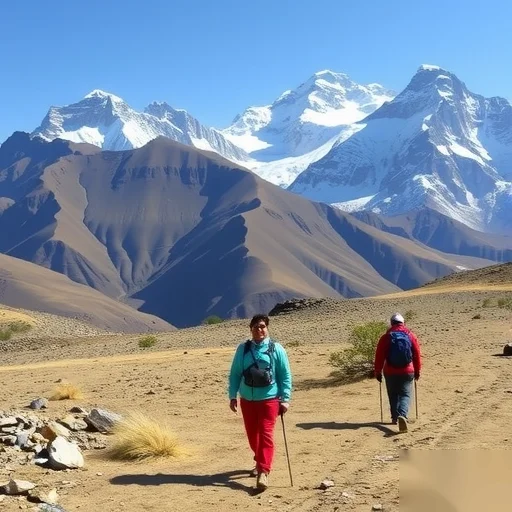
In terms of activities, Tibet offers a wealth of experiences, including visiting iconic sites like the Potala Palace, exploring the sacred Lake Namtso, and hiking to Everest Base Camp. Entrance fees for these attractions can range from ¥50 to ¥200 per site. Additionally, hiring a local guide is recommended, especially for those unfamiliar with the region, as guides can provide valuable insights into the culture and history of Tibet.
For a more immersive experience, consider joining a guided tour. These tours often include transportation, accommodation, meals, and local guides, which can help reduce the overall cost and hassle of planning. However, it’s important to research the reputation of the tour agency and ensure that they are licensed and trustworthy.
If you’re planning a solo trip, be prepared for the challenges of travel in Tibet. While it’s possible to travel independently, having a guide or joining a group can enhance your experience and ensure that you follow the necessary regulations. Additionally, it’s important to respect local customs and traditions, as Tibet is a deeply spiritual and culturally rich region.



I’m planning a trip next month and this article gave me a clear idea of the costs and what to expect.
I just returned from Tibet and this guide was incredibly helpful. I followed the budget tips and saved a lot on accommodation and transportation.
The visa and permit section was the most detailed I found online. It saved me weeks of research and stress.