
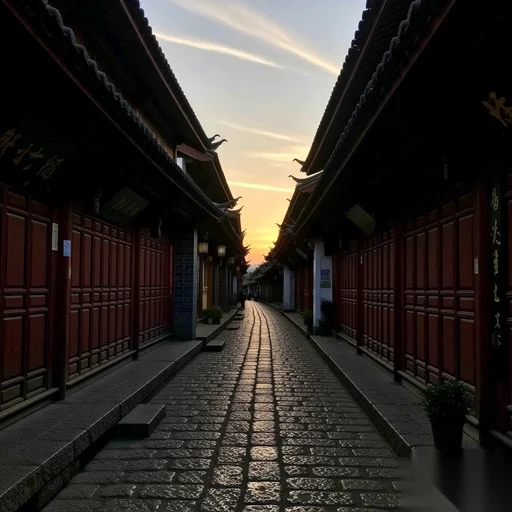
Lijiang, a city steeped in history and natural beauty, is a must-visit destination for travelers seeking a blend of ancient culture and stunning landscapes. If you’re wondering how to create a seamless and unforgettable Lijiang travel itinerary, the answer lies in careful planning, understanding the local culture, and making the most of the city’s unique attractions. With the right approach, you can avoid common pitfalls like overcrowded tourist spots, missed cultural experiences, and over-tourism. This guide will walk you through the essential steps to plan a Lijiang travel itinerary that balances sightseeing, relaxation, and cultural immersion.
Lijiang is known for its ancient town of Lijiang Old Town, a UNESCO World Heritage Site, and its surrounding natural beauty, including the Jade Dragon Snow Mountain and the Tiger Leaping Gorge. However, with so much to see and do, it can be overwhelming to know where to start. The key to a successful trip is to prioritize your interests and create a flexible schedule that allows for both exploration and downtime. Whether you’re a first-time visitor or a returning traveler, this guide will help you navigate the city like a local and make the most of your time there.
Start by researching the must-see attractions in Lijiang. The Old Town is a must-visit, where you can explore narrow alleys, traditional architecture, and local markets. Don’t miss the Black Dragon潭 (Black Dragon Pond), a scenic spot that offers breathtaking views of the town. If you’re interested in history, the Lijiang Museum is a great place to learn about the region’s rich cultural heritage. For nature lovers, a day trip to Jade Dragon Snow Mountain or Tiger Leaping Gorge will provide an unforgettable experience. However, it’s important to plan these excursions in advance, as they require permits and can be crowded during peak seasons.
Once you have a list of attractions, organize your itinerary based on proximity and time of day. For example, start your day with a walk through the Old Town, then head to the nearby countryside for a scenic hike or visit to a local village. Lunch breaks should be planned around the best local eateries, such as those serving traditional Naxi cuisine. It’s also a good idea to include some free or low-cost activities, like visiting local temples or participating in a cultural workshop, to make the most of your budget.
Another important consideration is transportation. Lijiang has a well-connected public transport system, including buses and taxis, but for a more convenient experience, consider renting a bike or scooter. This allows you to explore the city at your own pace and discover hidden gems that aren’t accessible by public transport. Additionally, if you’re planning to visit nearby attractions like the Jade Dragon Snow Mountain, booking a guided tour in advance is highly recommended to ensure a smooth and enjoyable experience.
To illustrate how this planning approach works, let’s take a sample itinerary for a three-day trip. On the first day, focus on exploring the Old Town, visiting the Black Dragon Pond, and enjoying a local meal at a traditional Naxi restaurant. The second day could be dedicated to a day trip to Jade Dragon Snow Mountain, with a guided tour that includes a cable car ride and a visit to the mountain’s temples. On the third day, you can relax in the Old Town, visit the Lijiang Museum, and perhaps take a short trip to a nearby village to experience local culture firsthand. This structure ensures a balanced mix of sightseeing, relaxation, and cultural immersion.





The sample itinerary was so helpful. I didn’t know about the guided tours for Jade Dragon Snow Mountain, and it made the trip much smoother and more enjoyable.
I followed this itinerary and it was absolutely perfect! The tips on balancing sightseeing and relaxation made all the difference. I even had time to explore some hidden spots that most tourists miss.
The emphasis on local cuisine and cultural experiences was a great addition. I tried several Naxi dishes and it was an incredible way to connect with the local culture.