
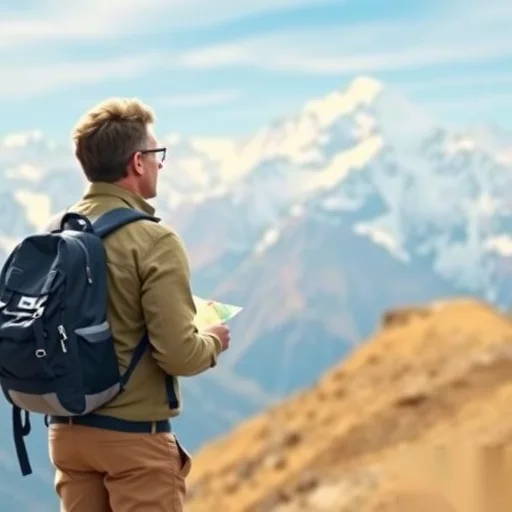
Tibet, with its breathtaking landscapes, rich culture, and spiritual heritage, is a dream destination for many travelers. However, planning a trip to this unique region can be overwhelming due to its remote location, altitude, and strict regulations. The key to a successful Tibet travel experience lies in careful preparation and understanding the essentials. This guide will walk you through the steps to create a seamless and unforgettable journey to the Roof of the World.
First and foremost, it’s essential to obtain a Tibet Travel Permit (TTP) before your trip. This permit is required for all foreign visitors and is issued by the Tibet Tourism Bureau. The process can be complex, so it’s best to start early and work with a licensed travel agency. They can help you navigate the requirements, including providing a letter of invitation from a local tour operator. Additionally, you’ll need to apply for a Chinese visa, which is a standard requirement for all international visitors.
Another critical aspect of planning your Tibet trip is acclimatization. The high altitude can lead to altitude sickness, so it’s important to spend a day or two in Lhasa to adjust. This will help you avoid serious health issues and enjoy your journey more comfortably. When traveling to higher elevations, such as Mount Everest Base Camp or the Yamdrok Lake, take it slow and listen to your body.
Choosing the right time to visit Tibet is also crucial. The best months to travel are from April to October, when the weather is more favorable and the roads are open. However, each season offers its own unique charm. For example, the snow-covered landscapes in winter provide a serene and mystical atmosphere, while spring brings vibrant colors and blooming flowers.
Once you have your permit and visa, it’s time to plan your route. The most popular routes include the Lhasa–Namtso Lake–Mount Everest Base Camp circuit, the Sacred Lake Circuit, and the Kailash Mansarovar Pilgrimage. Each route has its own highlights, so consider your interests and physical condition when making your choice. It’s also a good idea to hire a local guide, as they can provide valuable insights into the culture, history, and geography of Tibet.
Logistics and transportation are another important consideration. Tibet is a vast region with limited public transportation, so most travelers opt for private tours or group trips. Ensure that your travel agency has a good reputation and that they provide reliable transportation, including vehicles suitable for the high altitude and rugged terrain.
Lastly, respect the local culture and environment. Tibet is home to many sacred sites and monasteries, and it’s important to follow the customs and traditions of the local people. Dress modestly, especially when visiting monasteries, and avoid littering or damaging the natural environment.
To illustrate the importance of proper planning, let’s consider the experience of Sarah, a traveler from the United States. She initially planned to visit Tibet on her own but quickly realized the complexity of the process. After consulting with a licensed tour operator, she obtained her TTP, arranged for a guide, and acclimatized in Lhasa. Her trip included a visit to the Potala Palace, Namtso Lake, and the Everest Base Camp, and she returned with unforgettable memories and a deeper appreciation for the region’s beauty and culture.
By following these steps and being mindful of the unique challenges of traveling to Tibet, you can ensure a safe and enriching experience. Whether you’re a first-time visitor or a seasoned traveler, careful preparation is the key to unlocking the wonders of this extraordinary destination.

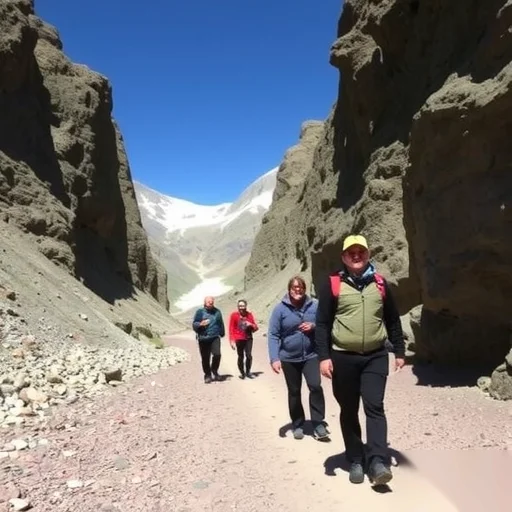



This guide was incredibly helpful. I had no idea about the travel permit process, and it saved me from a lot of stress. Thank you!
The acclimatization advice was a game-changer. I followed it and didn’t experience any altitude sickness, which made the trip so much better.