Traveling to Qingcheng Mountain and Dujiangyan can be an unforgettable experience, but without proper planning, you might miss out on the best parts of the journey. This guide provides a clear and practical solution to help you make the most of your visit to these two iconic destinations in Sichuan Province. Whether you’re a first-time visitor or a seasoned traveler, this step-by-step plan will ensure you cover everything you need to know—without the stress of last-minute decisions.
Planning a trip to Qingcheng Mountain and Dujiangyan requires a balance of time, resources, and preparation. These two sites are not only rich in cultural and historical significance but also offer breathtaking natural landscapes. However, without a clear itinerary, you might end up rushing between attractions, missing key highlights, or even missing out on the best times to visit. The solution? A well-structured itinerary that includes both the spiritual and scenic aspects of the journey, along with practical tips for travel, accommodation, and local culture.
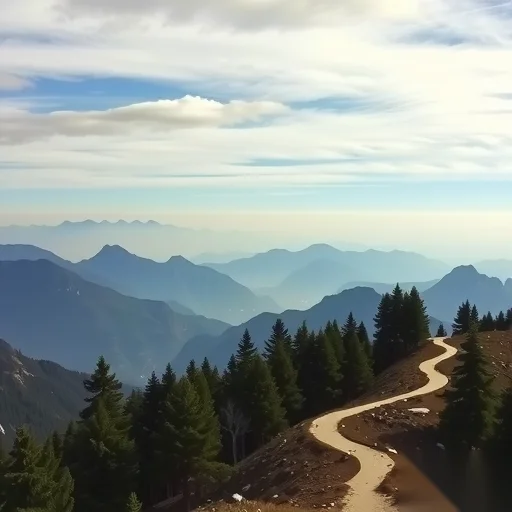
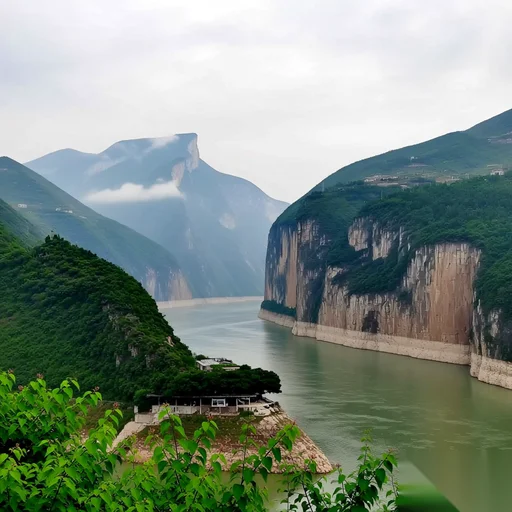
First, understand the unique characteristics of each destination. Qingcheng Mountain, known as the “Hometown of Taoism,” is a sacred site with ancient temples, lush forests, and a tranquil atmosphere. It’s best visited in the early morning or late afternoon to avoid the midday heat and enjoy the misty mountain views. Dujiangyan, on the other hand, is an ancient water management system that has been in use for over 2,000 years. It’s a marvel of engineering and a UNESCO World Heritage Site, making it a must-see for history and nature enthusiasts.
Next, plan your time wisely. A typical day trip from Chengdu to Qingcheng Mountain and Dujiangyan can take around 2-3 hours each way, depending on traffic. To make the most of your visit, consider spending a full day at each site. Start your day with a visit to Qingcheng Mountain, where you can explore the temples, enjoy the mountain trails, and participate in a traditional Taoist ceremony if available. Then, head to Dujiangyan in the afternoon, where you can walk along the water channels, learn about the history of the irrigation system, and enjoy the surrounding natural scenery.
Accommodation is another important consideration. If you’re planning to stay overnight, consider staying in the nearby towns of Wuhou or Dujiangyan itself. These areas offer a range of accommodations, from budget-friendly guesthouses to more luxurious hotels. For a more immersive experience, you might even choose to stay in a traditional Sichuan-style inn that offers local cuisine and cultural activities.
Transportation options are also worth considering. While public buses and shuttles are available, renting a private car or taking a guided tour can save you time and ensure a more comfortable journey. If you’re driving, be sure to check the road conditions and plan your route in advance. For those traveling by public transport, it’s advisable to book tickets in advance, especially during peak seasons.
One of the best ways to experience Qingcheng Mountain and Dujiangyan is by joining a guided tour. These tours often include expert guides who can provide in-depth information about the history, culture, and significance of each site. They also help you avoid common pitfalls, such as missing the best viewpoints or not knowing the best time to visit certain attractions.
To illustrate, let’s take the example of a traveler named Li Wei, who visited Qingcheng Mountain and Dujiangyan in the spring. He started his trip by booking a guided tour that included both sites. He spent the morning exploring Qingcheng Mountain, visiting the main temples and enjoying the serene mountain environment. In the afternoon, he traveled to Dujiangyan, where he learned about the history of the irrigation system and took a boat ride along the water channels. By the end of the day, he had a comprehensive understanding of both sites and felt satisfied with his experience.
In addition to the main attractions, there are several lesser-known spots and local experiences that can enhance your trip. For instance, in Qingcheng Mountain, you can visit the Temple of the Jade Emperor, which is one of the most important Taoist sites in China. In Dujiangyan, you can explore the nearby Panda Base or take a short hike to the nearby Longquanshan Mountain, which offers panoramic views of the region.
Finally, don’t forget to sample the local cuisine. Sichuan is famous for its spicy and flavorful dishes, and both Qingcheng Mountain and Dujiangyan have their own unique culinary offerings. Be sure to try local specialties such as hot pot, Sichuan-style noodles, and traditional tea.