
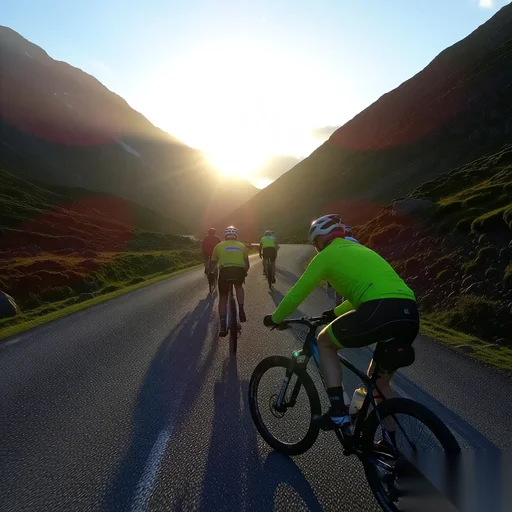
Biking through remote trails, crossing mountain passes, and exploring hidden landscapes—extreme bike tours are more than just a ride; they’re a test of endurance, preparation, and passion. If you’re wondering how to plan an extreme bike tour that’s both safe and unforgettable, this guide will give you the tools, principles, and practical steps to make it happen. Whether you’re a seasoned cyclist or a curious beginner, this article will help you turn your dream of an extreme bike adventure into a reality.
Before you even pick up your bike, it’s crucial to understand what an extreme bike tour entails. Unlike casual cycling, extreme bike tours often involve long distances, challenging terrains, and unpredictable weather conditions. The key to a successful trip lies in thorough planning, proper gear, and mental readiness. This guide will walk you through the essential elements of planning an extreme bike tour, from setting clear goals to preparing for emergencies.
Choosing the right route is one of the most important decisions you’ll make. The route should match your fitness level, experience, and the type of terrain you’re comfortable with. For example, a mountainous route with steep climbs is ideal for advanced riders, while a coastal path with rolling hills might suit a more moderate group. Research the route thoroughly—check for elevation changes, weather patterns, and potential hazards. Always consider the season and time of year, as conditions can drastically affect your journey.
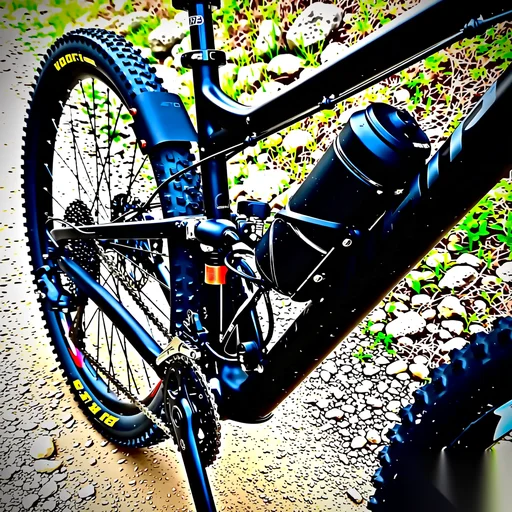
Once you’ve selected your route, it’s time to think about your gear. A reliable bike is the foundation of any extreme tour, so invest in a high-quality mountain bike with durable tires, a sturdy frame, and a good suspension system. Don’t forget to pack essential accessories like a repair kit, spare tubes, and a multi-tool. Clothing is equally important—layered outfits help regulate body temperature in changing weather, and moisture-wicking fabrics keep you dry during long rides. Safety gear, including a helmet, gloves, and reflective clothing, should never be overlooked.
Proper nutrition and hydration are just as critical as physical preparation. Long-distance cycling requires a steady supply of energy, so plan your meals and snacks carefully. Pack high-energy foods like nuts, dried fruits, and energy bars, and stay hydrated by carrying enough water or a water filter. It’s also wise to bring a portable stove or cooking gear if you plan to camp overnight.
One of the most overlooked aspects of extreme bike tours is emergency preparedness. Always inform someone of your route and expected return time. Carry a first-aid kit, a fully charged phone with a portable charger, and a map or GPS device. In remote areas, having a satellite phone or emergency beacon can be lifesaving. Additionally, know the basics of first aid and basic bike maintenance so you can handle minor issues on the go.
Let’s take a real-world example to illustrate how these principles come together. Imagine a group of cyclists planning a 300-mile tour through the rugged mountains of Patagonia. They start by researching the route, selecting a mix of challenging climbs and scenic descents. They invest in high-quality gear, including mountain bikes, waterproof clothing, and a reliable tent. They also prepare by training for several months, focusing on endurance and strength. During the tour, they follow a strict schedule, stay hydrated, and use a GPS to track their progress. When they encounter a sudden storm, they find shelter and adjust their route, demonstrating the importance of flexibility and preparedness.
Whether you’re cycling through the Andes, the Himalayas, or the Scottish Highlands, the principles of planning, preparation, and adaptability remain the same. An extreme bike tour is not just about the destination—it’s about the journey, the challenges you overcome, and the memories you create. By following this guide, you can ensure that your adventure is both safe and unforgettable.



This guide is incredibly detailed and covers all the bases. I feel more confident about planning my own extreme bike tour now.
I especially liked the section on emergency preparedness. It’s easy to overlook, but it’s so important for safety.
The real-world example really helped me understand how to apply the tips in practice. Thank you for the clear and practical advice!