
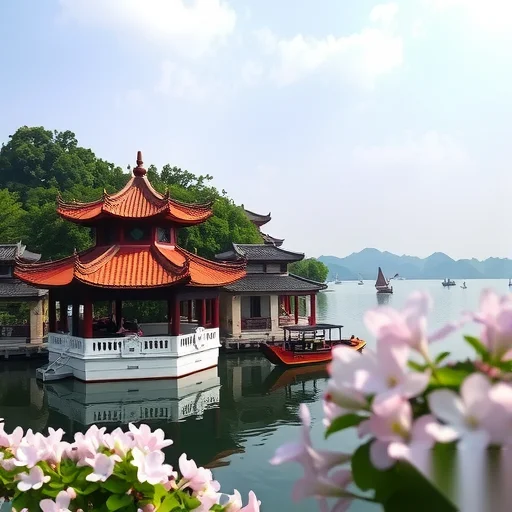
Traveling to Zhejiang as a self-guided tourist can be both exciting and overwhelming. This guide offers a clear, step-by-step approach to help you plan your trip effectively, ensuring you make the most of your time in this beautiful province. Whether you’re a first-time visitor or planning a return trip, this guide will help you navigate the best spots, local culture, and practical tips for a smooth journey.
Zhejiang is a province rich in natural beauty, historical sites, and cultural heritage. From the ancient temples of Hangzhou to the serene landscapes of Shaoxing and the coastal charm of Ningbo, there’s something for every traveler. However, planning a self-guided trip can be challenging, especially if you’re unfamiliar with the region. This guide will walk you through the essentials of planning a self-guided Zhejiang trip, from choosing the right time to visit to budgeting and packing.
Before you start planning, it’s important to understand what makes Zhejiang unique. The province is known for its picturesque landscapes, including West Lake, the Liangzhu Ancient City, and the famous West Lake. It also has a rich cultural history, with ancient temples, traditional markets, and local festivals that offer a glimpse into the region’s heritage. To make the most of your trip, it’s essential to plan your itinerary based on your interests, whether you’re drawn to nature, history, or local cuisine.
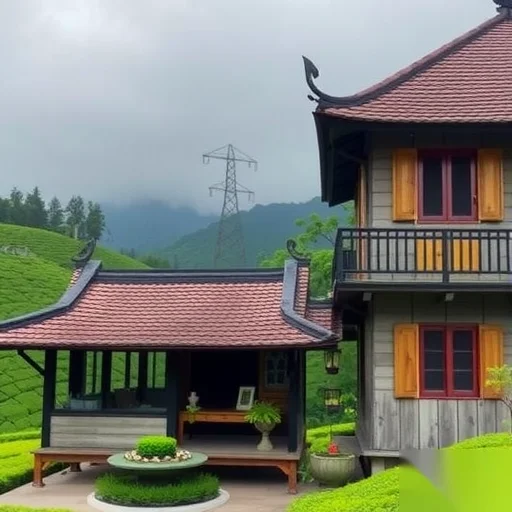
When planning your self-guided trip, start by determining your travel dates. Zhejiang is a popular destination year-round, but the best time to visit depends on what you’re looking for. Spring and autumn are ideal for sightseeing, as the weather is mild and the scenery is at its most beautiful. Summer can be quite hot, but it’s the perfect time to enjoy the lush greenery and tea plantations. Winter, while cooler, offers a peaceful and quiet atmosphere, especially in the mountainous areas.
Next, consider your budget. Zhejiang offers a range of options, from budget-friendly accommodations to luxury hotels. Public transportation is reliable and affordable, making it easy to move between cities and towns. However, if you plan to visit remote areas or enjoy more comfortable travel, renting a car or using private transportation might be a good option.
Packing for Zhejiang should be practical and considerate of the climate. Light clothing is recommended for spring and summer, while layers are useful for autumn and winter. Comfortable shoes are essential, especially if you plan to explore historical sites or hike in the countryside. Don’t forget to bring a reusable water bottle, as many areas have clean water sources.
To ensure a smooth and enjoyable trip, it’s also important to research the local culture and customs. Zhejiang is known for its hospitality, but understanding basic etiquette, such as respecting local traditions and being mindful of noise levels in temples, can enhance your experience. Learning a few basic phrases in Mandarin can also be helpful, especially in smaller towns where English may not be widely spoken.
One of the best ways to experience Zhejiang is by following a sample itinerary. For example, a 7-day trip could include visiting Hangzhou’s West Lake, exploring the tea plantations of Longjing, and experiencing the historical sites of Shaoxing. Each day can be tailored to your interests, whether you prefer relaxing by the water, hiking through scenic trails, or indulging in local cuisine.
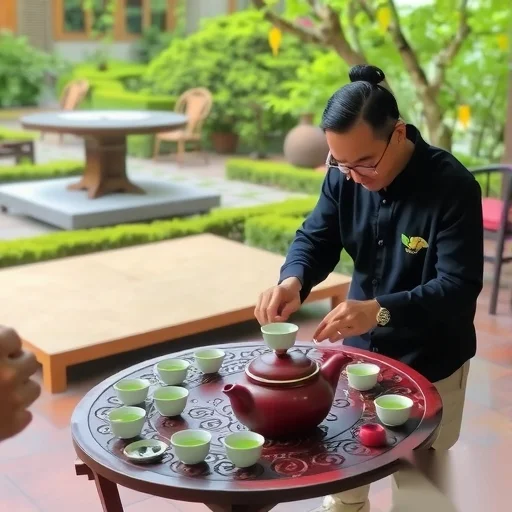
A real case study of a self-guided traveler, Li Wei, highlights the benefits of careful planning. Li Wei, a first-time visitor from Shanghai, planned his trip by researching online, booking accommodations in advance, and using public transportation to move between cities. He focused on cultural experiences, such as visiting the Hangzhou Museum and participating in a traditional tea ceremony. His trip was not only enjoyable but also cost-effective, allowing him to experience the best of Zhejiang without breaking the bank.
In conclusion, planning a self-guided trip to Zhejiang requires careful consideration of your interests, budget, and travel dates. By understanding the region’s unique attractions and following a well-structured itinerary, you can ensure a memorable and fulfilling experience. Whether you’re a history enthusiast,



I’m a first-time traveler and this step-by-step approach will definitely help me organize my self-guided trip to Zhejiang.
Zhejiang is on my bucket list, and this article gives me confidence to plan my own adventure without a tour group.
This guide seems perfect for someone new to Zhejiang. I’m looking forward to exploring the cultural and natural wonders on my own.
The practical tips in this guide will make my self-guided trip to Zhejiang more enjoyable and stress-free.
I appreciate the clear structure of the guide. It makes planning a self-guided trip to Zhejiang feel manageable and exciting.