
So you’re thinking about Inghai for summer vacation—smart move. But you’re probably wondering where to start, what to pack, and how to avoid the crowds while still hitting all the best spots. The short answer: focus on the highland lakes, the northern grasslands, and the eastern cultural corridor, in that order, and give yourself at least seven days. This guide breaks down exactly how to structure your trip, what to budget for, and the one mistake most tourists make that turns their cool-weather escape into a sweaty mess.
Let’s be honest: summer in Inghai isn’t what most people imagine. Yes, it’s inland, but the plateau means the sun burns bright while the wind stays chilly. The real problem travelers face is underestimating the altitude—over 2,400 meters in the capital alone. That headache you get on day two? It’s not bad luck; it’s dehydration and rapid ascent. The solution is simple: spend your first full day doing nothing but drinking local butter tea and walking slowly around the old town. No hikes, no temples with a thousand stairs. Just your body catching up.
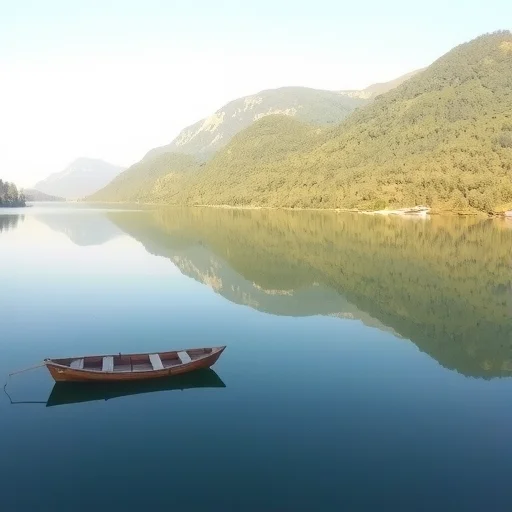
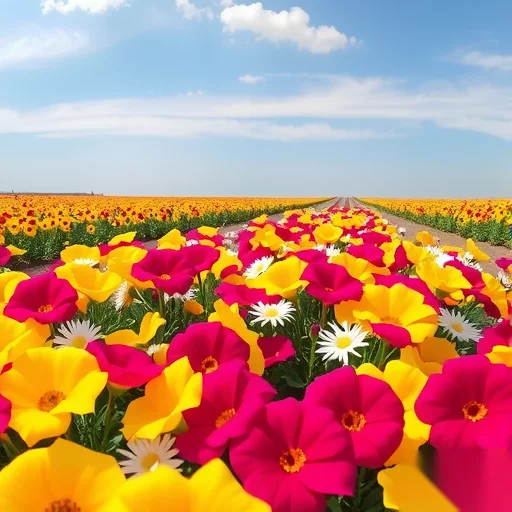
Now let’s talk about the “three-zone” principle that locals use. Zone one is the lake circuit: Qinghai Lake (yes, it’s technically not Inghai’s lake, but it’s the anchor of the region’s summer tourism). Go to the south shore at sunrise—the water turns jade green, and the rapeseed fields explode in yellow. Avoid the二郎剑 (Erlangjian) ticket booth like a bad date; instead, ask a herder near Heimahe Township to take you to their private shore for twenty yuan. Zone two is the grassland stretch from Gonghe to Zeku. This is where you’ll see yaks crossing the road and families picnicking on felt mats. Zone three is the hot-spring town of Guide, where the desert meets the Yellow River. Yes, desert and river together—and the water is warm enough for a dip even in July.
Here’s a step-by-step plan that works for first-timers and repeat visitors alike. Day one: Arrive in Xining (the capital), check into a hotel near the Dongguan Grand Mosque, and eat hand-pulled lamb noodles. Day two: Hire a driver (about 500 yuan for the day) to take you to the northern edge of Qinghai Lake via Gangcha County. Stop at the sand island for photos—the dunes behind the blue water look fake but aren’t. Day three: Drive south to Chaka Salt Lake. Go at 4 PM; the crowds from the morning buses have left, and the sunset turns the mirror into copper and pink. Day four: Rest day in the village of Wenjia, where you can learn to make tsampa (roasted barley flour) with an Amdo family. Day five: Trek the first section of the Kanbula Forest—not a real forest but red sandstone pillars that look like a crowd of frozen giants. Day six: Hot springs in Guide. Day seven: Fly or train out.
A real case: Last summer, a family of four from Shanghai followed almost exactly this route but made one critical error—they booked all their hotels in advance online. Sounds smart, right? Wrong. Inghai’s summer weather changes fast, and the best guesthouses are never listed on the big platforms. They ended up in a sterile chain hotel by the highway, missing the chance to stay in a felt yurt where the owner sings Tibetan opera after dinner. The fix is easy: book only your first two nights, then let your driver recommend places as you go. Drivers here have a network—they know which family’s yurt has a clean pit toilet and which one serves fresh yak yogurt with honey. Trust them, not the app.
Packing is where most people overcomplicate things. Leave the shorts at home. Yes, it’s summer, but the temperature drops to 8°C (46°F) after sunset, even in July. Bring a fleece jacket, a windproof shell, a wide-brim hat, and sunscreen that’s SPF 50+. For shoes, wear broken-in trail runners—not hiking boots (too heavy) and not sandals (too cold at night). And buy a cheap silk sleeping bag liner; many guesthouses are clean but the blankets are shared. Oh, and bring cash. WeChat Pay works in cities, but the herder selling grilled lamb skewers by the pass only takes red bills.
Food-wise, don’t skip the breakfast noodle soup called “zhangpi niurou mian” – it’s a hangover cure and an altitude remedy in one bowl. Also try the roasted barley beer, which tastes like a nutty lager, and the fried potato knots sold from the back of tricycles. The one thing to avoid? Raw salads at roadside stalls. The water source isn’t always reliable, and a bad stomach at 3,200 meters is no joke.
One last piece of reality: You will see trash in some beautiful places. Inghai’s tourism boom has been rough on the environment. Be the traveler who carries a small bag for your own waste and picks up one extra piece of plastic per day. The locals notice, and sometimes that simple act gets you invited into a home for tea. That’s the real souvenir—not the mass-produced turquoise bracelet, but the memory of sharing stories with a family who herds sheep at the edge of the sky.
(Just came back from Inghai last week. This guide is spot on except for the part about cash – we found that even the herder near Chaka had a QR code taped to his cooler. But yes, bring small bills just in case. The sunrise at Heimahe is life-changing.)
(Question: How safe is it for a solo female traveler? I’m planning to go in early August. Would you recommend joining a group or following this plan alone?)
(Solo female here! Did this exact route alone two summers ago. Felt completely safe. The local women are incredibly warm. Just don’t hitchhike – hire a driver through your guesthouse. And learn how to say “thank you” in Tibetan (thu-je-che). It opens every door.)
(We took our 6-year-old and he loved the yurt stay near Zeku. But the altitude hit him hard on day one – headache and no appetite. The butter tea trick actually worked. Also, pack children’s ibuprofen. Don’t rely on finding a pharmacy in small towns.)
(Your tip about skipping advance booking saved us 300 yuan per night. We found a family-run place on the north shore with a window facing the lake for 120 yuan. The online hotel wanted 450 for a windowless room. Never trusting booking apps again.)
Summer in Inghai rewards the flexible traveler who respects altitude, packs layers, and follows local advice over algorithm recommendations.



roasted barley flour
Erlangjian
the capital
yes, it’s technically not Inghai’s lake, but it’s the anchor of the region’s summer tourism
about 500 yuan for the day