

Guilin, with its breathtaking landscapes and rich cultural heritage, is a must-visit destination for travelers seeking both natural beauty and historical depth. If you’re wondering how to make the most of your time in this enchanting city, the answer lies in planning a well-structured itinerary that highlights its most iconic attractions. From the iconic Li River to the ancient caves, Guilin offers a wealth of experiences that can be easily explored with the right guidance. This guide will walk you through the essential sights, tips for visiting, and how to optimize your trip for maximum enjoyment.
Whether you’re a first-time visitor or a returning traveler, knowing which spots to prioritize and how to navigate the city efficiently can make all the difference. With the right approach, you can experience the best of Guilin without feeling overwhelmed by the sheer number of options. This guide will help you uncover the hidden gems and must-see landmarks that define the charm of this southern Chinese city.
One of the most iconic experiences in Guilin is a boat ride along the Li River. As you glide through the emerald-green waters, the karst mountains rise majestically on either side, creating a picture-perfect scene that has inspired poets and painters for centuries. This is not just a scenic journey—it’s a gateway to understanding the natural beauty that makes Guilin so unique. To fully appreciate this, it’s best to start early in the morning when the light is soft and the atmosphere is serene.
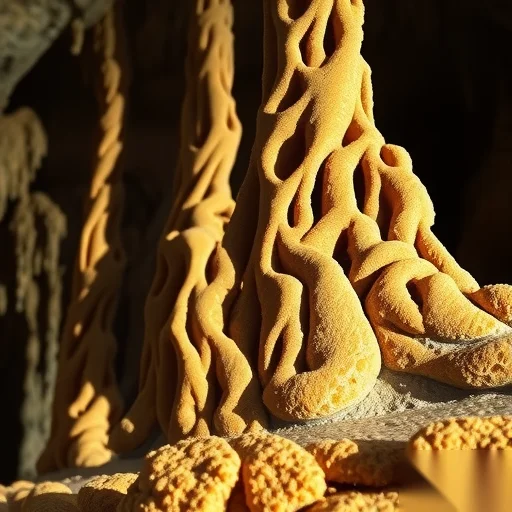
Another highlight is the ancient caves of Guilin, such as the Reed Flute Cave and the Elephant Trunk Hill. These natural wonders are not only visually stunning but also steeped in local folklore and history. Exploring these caves offers a glimpse into the geological marvels that have shaped the region over thousands of years. For a more immersive experience, consider visiting the nearby Yangshuo area, where the karst formations are even more dramatic and the hiking trails are abundant.
To make the most of your time, it’s important to plan your visits strategically. Prioritize the attractions that align with your interests—whether it’s nature, history, or culture. For example, if you’re a photography enthusiast, the early morning light on the Li River is ideal for capturing the perfect shot. If you’re interested in local culture, don’t miss the traditional villages and markets that showcase the daily life of the local people.
A practical tip is to use public transportation or rent a bike to get around the city. Guilin’s layout is relatively compact, making it easy to move between attractions. However, for longer distances, such as to Yangshuo, a private car or shuttle service is recommended. Additionally, it’s wise to check the weather forecast and plan your outdoor activities accordingly, as the climate in Guilin can be quite humid and rainy at times.

For a more in-depth experience, consider visiting the Guangxi Museum, which houses a collection of artifacts that tell the story of the region’s history and culture. This is a great place to gain a deeper understanding of the local heritage before exploring the natural wonders. Another must-see is the West Hill, where you can enjoy panoramic views of the city and the surrounding countryside. The hill is also home to the famous Xiqiao Temple, a historic site that offers a peaceful retreat from the bustling city.
If you’re looking for a unique experience, don’t miss the opportunity to try local cuisine. Guilin is famous for its fresh seafood and spicy flavors, with dishes like Guilin rice noodles and spicy crayfish being local favorites. Eating at street food stalls or small family-run restaurants is a great way to experience the authentic flavors of the region.



I visited Guilin last year and followed this guide. The Li River boat ride was absolutely magical, and the caves were a highlight. The tips on timing and transportation saved me a lot of time!
This guide was so helpful in planning my trip. I especially loved the section on local cuisine—trying the Guilin rice noodles was one of the best decisions I made.
The images in the guide really helped me visualize the places I wanted to visit. I’m already planning my next trip to Yangshuo based on this information.