

Yunnan, with its diverse landscapes, rich culture, and unique ethnic traditions, is a dream destination for travelers. However, without the right plan, it’s easy to feel overwhelmed by the sheer variety of experiences on offer. The solution? This ultimate Yunnan travel guide will help you navigate the province like a local, ensuring you make the most of your time while avoiding common pitfalls.
Yunnan is a vast region, stretching from the snow-capped peaks of the Himalayas to the lush rainforests of the south. It’s home to 25 ethnic groups, each with their own customs, languages, and traditions. While this diversity is one of Yunnan’s greatest attractions, it can also make planning a trip challenging. Without a clear roadmap, you might miss out on the hidden gems or find yourself stuck in tourist traps. The key is to approach your journey with a balance of flexibility and preparation.
First, understand the core principles of Yunnan travel. The province is best explored by road, as it offers the most immersive experience. Renting a car or joining a local tour group can help you access remote villages, mountain passes, and cultural sites that are often off the beaten path. However, be mindful of the weather and road conditions, especially during the rainy season. Pack layers, bring a reliable map, and stay informed about local events or festivals that might affect your itinerary.
Next, plan your route with a mix of natural beauty and cultural immersion. Start in Kunming, the “City of Eternal Spring,” where you can take a short trip to the Stone Forest, a UNESCO World Heritage Site. From there, head to Lijiang, a charming town nestled in the mountains, known for its ancient architecture and vibrant markets. Don’t miss the nearby Tiger Leaping Gorge, one of the most breathtaking natural wonders in China. For a deeper cultural experience, visit the Bai ethnic village in Dali, where you can learn about traditional crafts and participate in local festivals.
A great example of how to make the most of your Yunnan trip is the journey from Chengdu to Lijiang. Instead of rushing through the route, take your time to stop at small towns like Zhongdian (Shangri-La), where you can experience Tibetan culture and enjoy the stunning views of the Himalayas. This approach allows you to truly connect with the local communities and enjoy the journey rather than just the destination.
Yunnan’s beauty lies not only in its natural wonders but also in its people. Engaging with locals can enrich your experience in ways that no guidebook can. Whether it’s sharing a meal with a family in a remote village or learning a few words of a local language, these interactions create lasting memories. Be respectful of cultural traditions, and always ask for permission before photographing people or entering sacred sites.
For those looking to explore Yunnan on a budget, there are plenty of affordable options. Public transportation is reliable, and many hostels and guesthouses offer comfortable stays at reasonable prices. However, it’s worth investing in a good quality camera or smartphone with a high-resolution lens to capture the stunning landscapes and cultural moments.
Another tip is to plan your trip around local festivals. For example, the Torch Festival in Lijiang, held in June, is a vibrant celebration of ethnic culture with music, dance, and fireworks. Attending these events gives you a unique insight into the lives of the local people and adds an extra layer of depth to your travel experience.



This guide is so comprehensive! I’ve been planning a trip to Yunnan for months, and this really helped me organize my itinerary. I’m especially excited about visiting the Bai village in Dali. Thank you!
The section about festivals was a game-changer for me. I didn’t know about the Torch Festival, and now I’m looking forward to experiencing it. Great job on the layout and content!
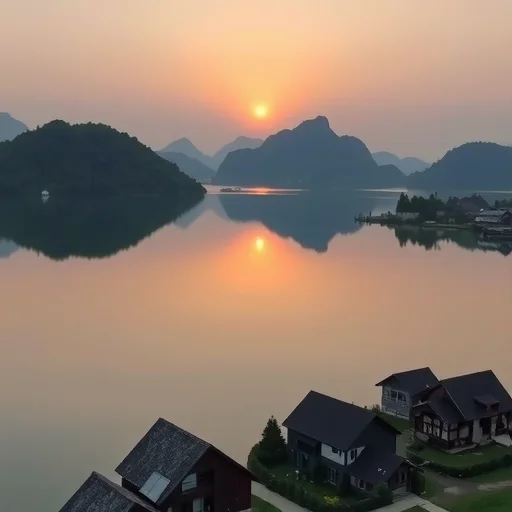
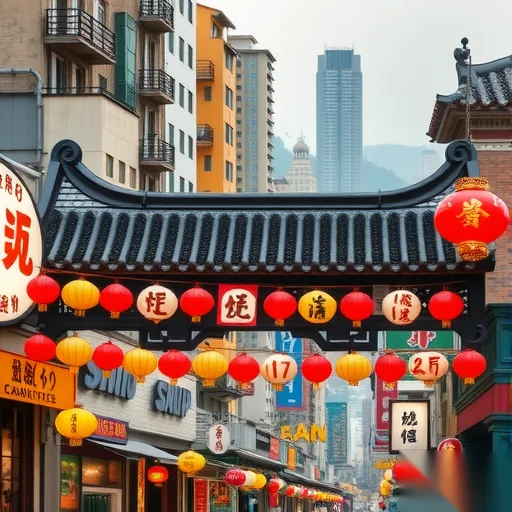
I love the tips about engaging with locals. It’s easy to overlook that, but it makes all the difference. The images in the guide are also amazing—they really captured the essence of Yunnan.