

Traveling to Xinjiang can be overwhelming for first-time visitors. With its vast landscapes, rich culture, and unique traditions, it’s easy to feel lost in the planning process. The key to a successful trip lies in understanding what to expect, how to prepare, and where to go. This guide will help you plan an unforgettable journey through one of China’s most diverse regions.
Xinjiang is a place of extremes—vast deserts, towering mountains, and ancient cities. It’s also home to a variety of ethnic groups, each with its own customs and traditions. If you’re planning your first visit, the most important thing is to know what to pack, where to stay, and how to navigate the region safely. While the area is beautiful, it can be challenging for tourists unfamiliar with the local climate, culture, and infrastructure. With the right preparation, you can enjoy a seamless and enriching experience.
Before you leave, make sure to check the visa requirements. Most foreign travelers need a visa to enter Xinjiang, and it’s best to apply in advance. You’ll also want to consider the best time to visit. Summer months (June to August) are ideal for exploring the outdoors, while winter (December to February) offers a different kind of beauty, especially in the mountains. However, be prepared for cold temperatures and limited road access during the colder months.
Packing is another important consideration. Xinjiang has a dry climate, so bring plenty of sunscreen, hats, and comfortable shoes. If you’re planning to visit the desert or mountains, pack layers for temperature changes. It’s also a good idea to bring a reusable water bottle, as some areas may have limited access to clean drinking water.
When it comes to transportation, Xinjiang is a large region with many cities and attractions. The most common ways to get around are by bus, train, and domestic flights. If you’re traveling between major cities like Urumqi, Kashgar, and Turpan, trains are a reliable and scenic option. However, if you want to explore more remote areas, such as the Taklamakan Desert or the Pamir Mountains, you may need to arrange for local transportation or hire a guide.
One of the most rewarding aspects of visiting Xinjiang is experiencing its diverse cultures. The region is home to the Uyghur, Kazakh, Hui, and other ethnic groups, each with its own traditions, food, and festivals. Don’t miss the opportunity to try local dishes like pita bread, kebabs, and hand-pulled noodles. You can also visit local markets to see traditional crafts and textiles, such as the famous Kashgar bazaar.
A great way to start your trip is by visiting Urumqi, the capital city. It’s a modern city with a mix of traditional and contemporary culture. From there, you can head to the nearby Tian Shan Mountains or the Silk Road cities of Kashgar and Turpan. If you have more time, consider exploring the Taklamakan Desert or the ancient city of Khotan. Each destination offers a unique experience, so plan your itinerary based on your interests and time.
One of the most memorable experiences in Xinjiang is visiting the ancient city of Khotan. Located along the Silk Road, this city has a rich history and is home to stunning Buddhist temples and caravanserais. The local culture is vibrant, and you can enjoy traditional music and dance performances. Another must-see is the Pamir Mountains, where you can hike through remote valleys and enjoy breathtaking views of snow-capped peaks.
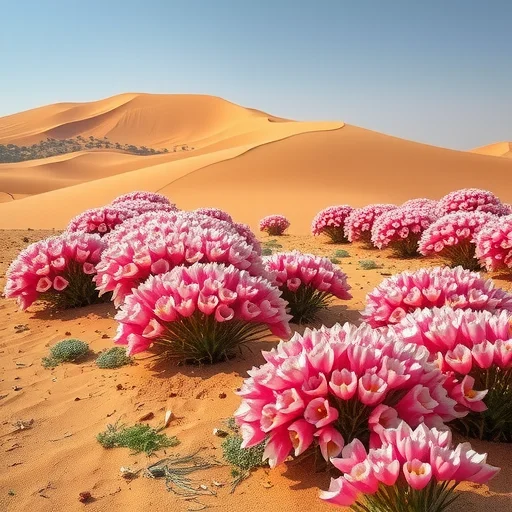
For those interested in history and culture, the Mogao Caves near Dunhuang are a must-visit. These caves contain thousands of Buddhist murals and sculptures, offering a glimpse into the region’s spiritual and artistic heritage. If you’re a fan of natural beauty, the Taklamakan Desert is a surreal landscape that will leave you in awe. The vast dunes and shifting sands create a unique and otherworldly environment.
When planning your trip, it’s also important to be aware of local customs and etiquette. Xinjiang is a culturally diverse region, and showing respect for local traditions can enhance your experience. For example, when visiting mosques or attending cultural events, dress modestly and be mindful of local practices. It’s also a good idea to learn a few basic phrases in Uyghur or Kazakh, as this can help you connect with locals and make your trip more enjoyable.
In addition to cultural experiences, Xinjiang offers some of the best landscapes in China. Whether you’re hiking through the Tian Shan Mountains, exploring the vast deserts, or relaxing in the oasis cities, there’s something for every traveler. The region’s natural beauty is complemented by its rich history and warm hospitality, making it a destination that’s both inspiring and unforgettable.
If you’re looking for a unique and authentic travel experience, Xinjiang is the perfect choice. With its blend of natural wonders, cultural richness, and friendly locals, it’s a place that will leave a lasting impression. By planning your trip carefully and respecting local traditions, you can enjoy a journey that is both educational and deeply rewarding. Summary text here (max 120 chars)
CulturalJourney#




I followed the guide and it made everything so much easier. From the best places to visit to local customs, it covered everything I needed to know.
Xinjiang is a hidden gem that I didn’t know much about before. This guide really opened my eyes to the beauty and culture of the region.
Exploring Xinjiang was one of the best decisions I’ve made. The landscapes are absolutely breathtaking and the people are so welcoming.