

Shandong is a treasure trove of history, culture, and natural beauty, but with so much to see and do, it can be overwhelming for first-time visitors. The key to a fulfilling trip is knowing where to go, what to see, and how to plan efficiently. This guide will help you unlock the best of Shandong with a clear plan, practical tips, and real-life examples to ensure you make the most of your time in this fascinating province.
Shandong is known for its rich history, ancient temples, and stunning landscapes, but many travelers struggle to navigate the vast array of options. From the ancient capital of Qufu to the coastal beauty of Qingdao, the province offers something for everyone. However, without proper planning, it’s easy to miss the highlights or end up spending too much time on less interesting sights. The solution? A well-structured itinerary that balances historical sites, natural wonders, and local culture, while also allowing for relaxation and exploration.
When planning a trip to Shandong, it’s essential to understand the region’s cultural and historical significance. Shandong is home to Confucius, the philosopher who shaped Chinese thought, and the birthplace of the Confucian tradition. This influence is evident in the province’s temples, academies, and cultural festivals. Additionally, Shandong is known for its delicious cuisine, particularly its famous noodles and seafood. By understanding the local culture and traditions, you can fully appreciate the experiences you encounter.
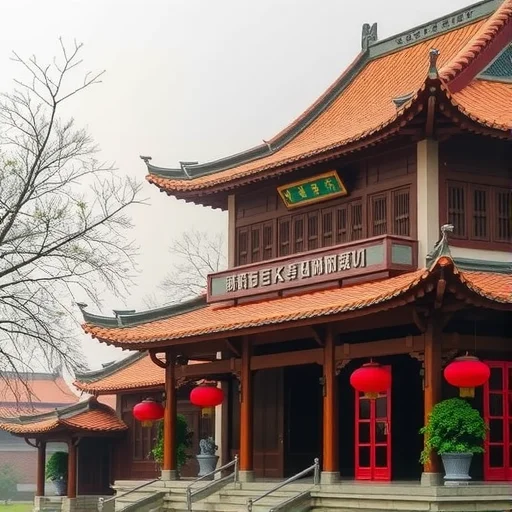
To make the most of your trip, start by choosing the right destinations. Qufu, the birthplace of Confucius, is a must-visit for history enthusiasts. The Confucius Temple, the Kong Family Mansion, and the Confucius Cemetery are all located in this small town and offer a deep dive into the philosophy and traditions that have shaped China for centuries. For a more relaxed experience, Qingdao is an excellent choice. As a coastal city, Qingdao is known for its beautiful beaches, historic architecture, and vibrant nightlife. The coastal walkways and the famous Baotu Spring are highlights that should not be missed.
Another key area to consider is the Yellow River, which flows through Shandong and has played a significant role in the region’s history. The Yellow River Museum in Jinan provides insight into the river’s cultural and economic importance. For nature lovers, the Mount Tai area offers breathtaking views and spiritual significance. Climbing Mount Tai at sunrise is a unique experience that many visitors consider a highlight of their trip.
When planning your itinerary, it’s important to balance your time between historical sites and natural attractions. Start your trip in Qufu to immerse yourself in Confucian culture, then move to Jinan to explore the Yellow River and the scenic lakes. Finally, end your journey in Qingdao to enjoy the coastal beauty and relax on the beach. This structure allows you to experience the best of Shandong without feeling rushed or overwhelmed.
A real-life example of a successful Shandong trip is the journey of a traveler who visited Qufu, Jinan, and Qingdao in a 7-day itinerary. They started with a day in Qufu, visiting the Confucius Temple and the Kong Family Mansion. They then traveled to Jinan, spending two days exploring the Yellow River and the nearby lakes. Finally, they spent three days in Qingdao, enjoying the beaches, historic buildings, and local cuisine. This approach allowed them to fully appreciate the cultural and natural highlights of the province without overexerting themselves.
To make your trip even more enjoyable, consider booking guided tours for specific attractions. For example, a guided tour of the Confucius Temple in Qufu can provide deeper insights into the historical and philosophical significance of the site. Similarly, a guided walking tour of Qingdao’s coastal areas can help you discover hidden gems and local favorites. These experiences can enhance your understanding of the region and make your trip more memorable.
Another important consideration is transportation. Shandong has a well-developed transportation network, including high-speed rail and buses, making it easy to travel between cities. However, for a more immersive experience, consider renting a car or using ride-hailing services to explore smaller towns and rural areas. This flexibility can help you discover lesser-known attractions that are not easily accessible by public transport.
In addition to planning your itinerary, it’s also important to be mindful of the local customs and etiquette. Shandong is a place of deep respect for tradition, and visitors should be aware of local customs, such as bowing when entering temples or avoiding certain topics of conversation. By showing respect and understanding, you can build positive interactions with locals and enhance your overall experience.
Finally, don’t forget to sample the local cuisine. Shandong is famous for its hearty and flavorful dishes, including braised pork, dumplings, and seafood. Try the famous noodles in Jinan and enjoy fresh seafood in Qingdao. These culinary experiences can provide a deeper connection to the region and its culture.
By following this structured approach, you can ensure that your trip to Shandong is both enjoyable and educational. Whether you’re interested in history, nature, or culture, Shandong has something to offer everyone. With the right planning and mindset, you’ll be able to fully appreciate the beauty and richness of this fascinating province. A well-planned itinerary unlocks the best of Shandong.
CulturalExploration#




This guide has helped me plan a great trip to Shandong. I visited all the main sights and even found some hidden gems. Highly recommend!
The tips on local cuisine were a lifesaver. I tried so many delicious dishes and it made the trip even more memorable.
I never thought I’d enjoy visiting a Confucius Temple, but the experience was incredible. Thanks for the recommendations!
The image prompts were really helpful. I used them to plan my own photoshoots and captured some amazing shots.
I was worried about getting lost, but the itinerary was so well-structured. I had a perfect balance of history and relaxation.