
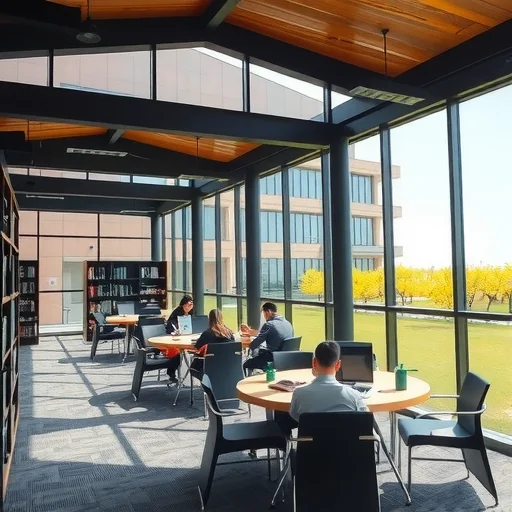
Choosing to study in Inner Mongolia can be a unique and rewarding experience, but it also comes with its own set of challenges. If you’re wondering how to navigate the education system, find the right school, and adapt to life in a new region, this guide will provide you with a clear and practical solution. By following the steps outlined here, you can make the most of your educational journey in Inner Mongolia.
Inner Mongolia is a vast and culturally rich region in northern China, home to a diverse population and a unique blend of traditional and modern education systems. For international students, understanding the local education landscape is crucial. Unlike the more well-known cities like Beijing or Shanghai, Inner Mongolia offers a more tranquil and immersive learning environment, but it also requires careful planning and research. The key to a successful academic experience lies in knowing where to apply, what to expect, and how to adapt to life in this region.
Before you begin your search for schools, it’s important to understand the education system in Inner Mongolia. The region has its own educational policies and institutions, many of which are designed to support both local and international students. Universities and colleges in Inner Mongolia often offer programs in Chinese, English, and other languages, making it accessible to a wide range of students. However, language barriers, cultural differences, and logistical challenges can make the process of studying here more complex. To overcome these obstacles, you need a clear plan and the right resources.
The first step in studying in Inner Mongolia is to choose the right institution. There are several universities and vocational schools in the region, each with its own strengths and specializations. For example, Inner Mongolia University is one of the most prestigious institutions in the area, offering a wide range of undergraduate and graduate programs. Other universities, such as Inner Mongolia Agricultural University and Inner Mongolia Normal University, also provide high-quality education and support for international students. When selecting a school, consider factors such as language requirements, tuition fees, campus facilities, and student support services.
Once you’ve chosen a school, the next step is to apply. The application process for international students in Inner Mongolia is similar to that of other universities in China, but it may require additional documentation, such as proof of language proficiency and financial guarantees. Some schools offer English-taught programs, which can be more accessible for non-Chinese speakers. It’s also important to check whether the institution has a dedicated international student office that can assist with visa applications, accommodation, and cultural integration.
After being accepted into a program, you’ll need to prepare for your move. This includes arranging your visa, securing housing, and familiarizing yourself with the local culture and customs. Many international students find it helpful to connect with other students or join online forums to gain insights and advice. Additionally, it’s a good idea to learn some basic Mandarin, as it will greatly enhance your ability to navigate daily life and academic settings in Inner Mongolia.
Real-life examples can provide valuable insights into the process. For instance, Maria, a student from Spain, chose to study at Inner Mongolia University. She initially struggled with the language barrier but found support through the university’s international student program. With the help of language classes and cultural orientation sessions, she was able to adapt quickly and excel in her studies. Her experience highlights the importance of preparation, support, and a willingness to learn.
Another example is David, a student from the United States, who enrolled in a business program at a vocational college in Hohhot. He faced challenges with the curriculum and cultural differences but was able to overcome them by participating in student clubs and networking events. His story shows that with the right mindset and resources, studying in Inner Mongolia can be a fulfilling and enriching experience.
In addition to academic preparation, it’s important to consider the broader aspects of life in Inner Mongolia. The region has a rich cultural heritage, with traditions and festivals that reflect the local Mongolian culture. Exploring the local cuisine, visiting historical sites, and engaging with the community can enhance your overall experience and provide a deeper understanding of the region.
For international students, it’s also essential to stay informed about the latest developments in the education sector. Policies and programs can change, so keeping up-to-date with official information from the chosen institution is crucial. Additionally, building a support network of fellow students, teachers, and local residents can make a significant difference in your academic and personal growth.
In conclusion, studying in Inner Mongolia is a viable and rewarding option for international students who are willing to put in the effort to adapt and thrive in a new environment. By following a clear plan, choosing the right institution, and preparing for the challenges ahead, you can make the most of your educational journey in this unique and beautiful region.

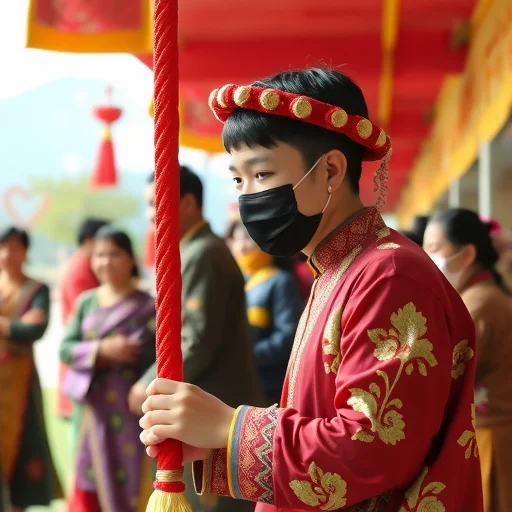
Studying in Inner Mongolia requires careful planning and preparation, but it offers a unique and enriching experience.
EducationInChina#



Many thanks for the detailed guide. It really helped me understand the process of studying in Inner Mongolia.
The information about language requirements and support services was very useful. I’m excited to start my journey.
The examples you provided were very helpful. I feel more confident now about applying to a university there.
Great resource for international students. I found the tips on adapting to the local culture especially helpful.
I’m planning to study in Inner Mongolia and this article gave me a good starting point. I will definitely check out the universities mentioned.