

Hong Kong is a vibrant city that blends modernity with tradition, offering everything from stunning skyline views to rich cultural experiences. However, for first-time travelers, navigating the city’s transportation, language barriers, and endless attractions can feel overwhelming. The key to a seamless free travel experience lies in proper planning and understanding the city’s unique rhythm. This guide will walk you through the essentials of planning a stress-free Hong Kong trip, ensuring you make the most of your time in this dynamic metropolis.
Hong Kong is a city of contrasts—where bustling markets coexist with luxury shopping districts, and historic temples stand beside high-tech skyscrapers. For travelers looking to explore without the hassle, the solution is clear: plan your itinerary with a balance of must-see attractions, local favorites, and practical tips. By focusing on efficient transportation, cultural immersion, and smart budgeting, you can enjoy Hong Kong without the stress of last-minute decisions or lost time.
One of the biggest challenges for travelers is navigating the city’s complex transportation system. Hong Kong’s MTR (Mass Transit Railway) is fast, reliable, and extensive, but the sheer number of stations and the use of English and Chinese signage can be confusing. To avoid this, start by downloading the MTR app, which provides real-time updates, maps, and ticket purchasing options. It’s also a good idea to purchase an Octopus Card, which can be used for public transport, shopping, and even vending machines. This small investment saves time and hassle, especially when you’re in a hurry or unfamiliar with the city.
Another common issue is the language barrier. While English is widely spoken in tourist areas, it’s not universal. To ensure smooth communication, learn a few basic phrases in Cantonese or Mandarin. Phrases like “Where is the nearest subway station?” or “How much does this cost?” can go a long way. Additionally, many locals are friendly and willing to help, so don’t hesitate to ask for directions or recommendations. For those who prefer to avoid speaking, using translation apps or relying on visual cues can also be effective.
Hong Kong’s food scene is one of its greatest attractions, but it can also be overwhelming. From street-side dim sum to Michelin-starred restaurants, the city offers something for every palate and budget. To make the most of your culinary experience, plan your meals around the best local spots. For example, if you’re a fan of seafood, head to Tsui Wah Seafood Restaurant in Causeway Bay, known for its fresh catch and traditional preparation methods. If you’re looking for something more casual, consider trying a tea house in the Mong Kok area, where you can sample a variety of Chinese teas and snacks.
Time management is another crucial aspect of a stress-free trip. Hong Kong is a city that never sleeps, and with so many attractions to see, it’s easy to feel like you’re running out of time. To avoid this, create a flexible itinerary that includes must-see landmarks and allows for spontaneous exploration. For instance, start your day with a visit to the Hong Kong Museum of History, then head to the iconic Hong Kong Park for a relaxing stroll. In the afternoon, take a ferry to Lantau Island to explore the Temple of the Nine Immortals and the Big Buddha. Finally, end your day with a sunset view from the Peak Tram and a traditional dim sum meal in the Central district.
To illustrate how this approach works in practice, consider the case of Sarah, a traveler from the United States who visited Hong Kong for the first time. She planned her trip by researching the top attractions, downloading the MTR app, and purchasing an Octopus Card. She also learned a few basic phrases in Cantonese and used a translation app to communicate with locals. Her itinerary included a mix of cultural landmarks, food experiences, and leisure activities, allowing her to enjoy the city without feeling rushed or overwhelmed. By the end of her trip, she had a deeper appreciation for Hong Kong’s unique blend of old and new, and she felt confident in her ability to navigate the city independently.
In addition to practical tips, it’s also important to consider cultural norms and etiquette. Hong Kong is a highly respectful society, and visitors are expected to follow local customs. For example, when entering a temple, it’s customary to bow slightly or place your hands together in a prayer-like gesture. In public spaces, it’s important to be mindful of noise levels and personal space, especially in crowded areas like the MTR or shopping malls. By respecting these norms, you’ll not only avoid misunderstandings but also show appreciation for the local culture.
Another consideration is the weather and seasonal variations. Hong Kong experiences a subtropical climate, with hot and humid summers and mild winters. The best time to visit is from November to February, when the weather is more comfortable for outdoor activities. However, if you’re visiting during the summer months, be prepared for the heat and humidity by staying hydrated, wearing light clothing, and using sunscreen. In the winter, while it’s cooler, you may still encounter occasional rain, so it’s a good idea to pack a lightweight jacket or umbrella.
Lastly, don’t forget to explore the city’s hidden gems. While the major attractions like Victoria Harbour and the Hong Kong Palace Museum are must-see, there are countless lesser-known spots that offer a more authentic experience. For example, the Tai O Village, a fishing village on Lantau Island, is a charming place to visit with its traditional wooden houses and scenic views of the surrounding waterways. Similarly, the Kowloon Walled City Park is a peaceful oasis in the heart of the city, offering a glimpse into Hong Kong’s colonial past.
By following these tips and planning your trip with care, you can ensure a stress-free and enjoyable free travel experience in Hong Kong. With the right preparation, you’ll be able to explore the city’s many attractions, savor its diverse cuisine, and immerse yourself in its vibrant culture without the worry of getting lost or overwhelmed.

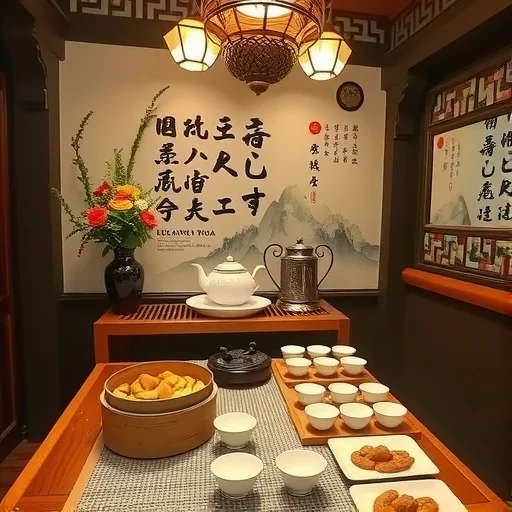
A stress-free Hong Kong trip starts with smart planning and cultural awareness.
Kong Travel Free Travel#
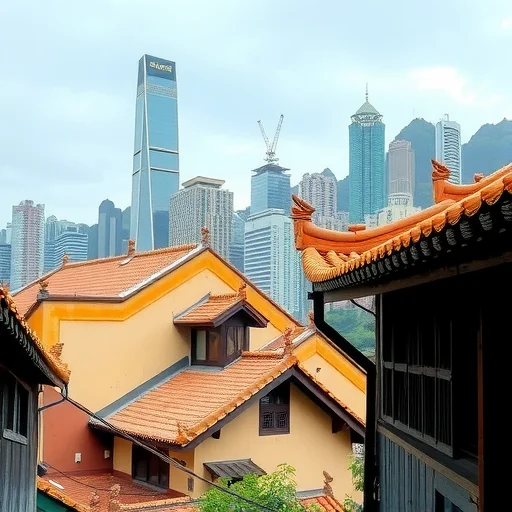
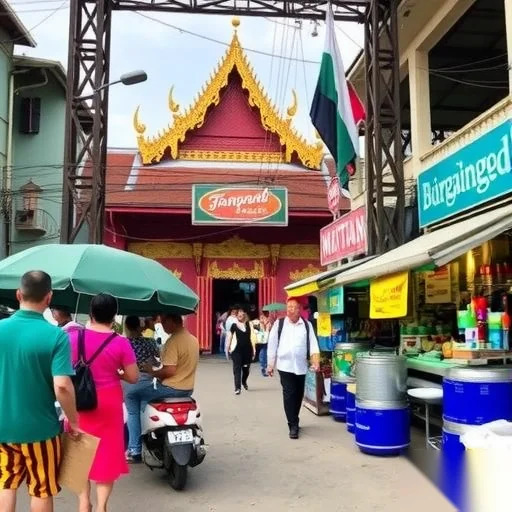
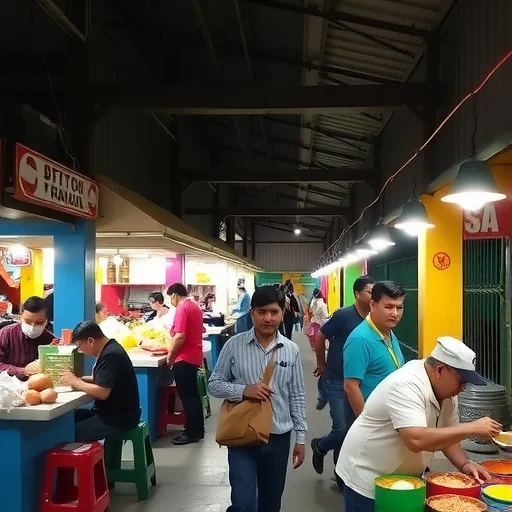
Traveling with a well-planned itinerary makes exploring Hong Kong much more enjoyable and less stressful. I found the tips on using the MTR app and Octopus Card very helpful.
This guide was comprehensive and easy to follow. It gave me the confidence to plan my own trip and explore Hong Kong independently.
I appreciated the cultural tips. Learning a few phrases in Cantonese helped me connect with locals and made my trip more memorable.
The hidden gems section was inspiring. I’ll definitely plan a return trip to visit some of the lesser-known spots mentioned.
The food recommendations were a great addition. I tried a few of the suggested places and loved the local cuisine. It’s amazing how much there is to eat in Hong Kong.