
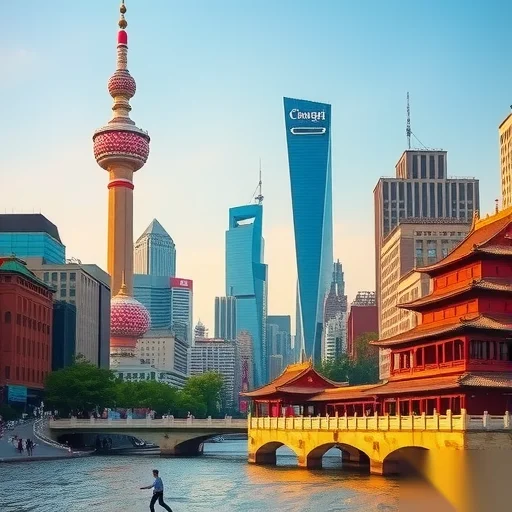
Traveling to Hangzhou and Shanghai is a dream for many, but planning a self-guided trip can be overwhelming. The key is to focus on the essentials: efficient transportation, must-see attractions, and budget-friendly tips. Whether you’re a first-time visitor or a seasoned traveler, this guide will help you make the most of your trip without the stress of last-minute decisions.
Hangzhou and Shanghai are two of China’s most iconic cities, each offering a unique blend of history, culture, and modernity. Hangzhou is known for its natural beauty, especially West Lake, while Shanghai is a bustling metropolis with a mix of old and new. However, without proper planning, you might miss out on the best experiences. The solution lies in creating a flexible yet structured itinerary that covers both cities’ highlights while keeping your time and budget in check.
Before you start planning, it’s important to understand the logistics of traveling between the two cities. Hangzhou and Shanghai are about 200 kilometers apart, and you can reach them by high-speed rail in under two hours. This makes it easy to split your trip between the two cities. However, you should consider the travel time and plan your days accordingly. For example, if you arrive in Hangzhou in the morning, you can spend the day exploring West Lake and nearby attractions before catching the train to Shanghai in the evening.
Once you’re in Hangzhou, prioritize the must-see spots. West Lake is a must, but don’t forget to visit the surrounding areas like the Broken Bridge, Leifeng Pagoda, and the Hangzhou Garden. These spots offer a mix of natural beauty and cultural significance. For food lovers, the local cuisine is a highlight—try the famous Longjing tea, Dongpo pork, and sweet bamboo shoots. Don’t miss the tea plantations in the nearby mountains, where you can enjoy a peaceful afternoon while sipping on fresh tea.
When moving to Shanghai, start with the Bund and the Pudong skyline. These areas showcase the city’s rich history and modern development. The Yu Garden and Old City Lane are perfect for a more traditional experience, while the Shanghai Museum offers a deep dive into the city’s cultural heritage. If you have time, consider visiting the Shanghai Zoo or the Shanghai Science and Technology Museum for a different kind of adventure.
To make your trip more enjoyable, plan your transportation in advance. Use the metro system in both cities, as it’s reliable and covers most major attractions. If you’re traveling with a group, consider purchasing a multi-day pass for convenience. Also, keep an eye on the weather, as it can affect your plans. For example, visiting Hangzhou in the spring or autumn is ideal, while summer can be quite hot.
A good example of a successful self-guided trip is a traveler who spent three days in Hangzhou and two in Shanghai. They arrived in Hangzhou on a Monday, spent the day exploring West Lake and nearby temples, then caught the train to Shanghai in the evening. In Shanghai, they visited the Bund, Yu Garden, and the Shanghai Museum, and enjoyed a night out at a local restaurant. They left feeling satisfied with their itinerary and had a memorable experience.
One of the biggest challenges of a self-guided trip is managing your time effectively. It’s easy to get lost in the beauty of the cities and overbook your schedule. To avoid this, create a flexible plan that allows for spontaneous discoveries. For instance, if you find a small street market or a hidden garden in Hangzhou, take the time to explore it. Similarly, in Shanghai, don’t rush through the city—take a walk through the old neighborhoods to experience the local life.
Another important tip is to stay within budget. While both cities have a range of dining and accommodation options, there are plenty of affordable choices. Look for local eateries that offer authentic Chinese cuisine at reasonable prices. For accommodation, consider staying in the city center for easy access to public transport and attractions. If you’re on a tight budget, there are also budget-friendly hostels and guesthouses available.
Finally, don’t forget to take some time for yourself. Whether it’s a quiet moment by the lake in Hangzhou or a walk along the Bund in Shanghai, these moments will make your trip more memorable. Traveling is not just about seeing new places—it’s about experiencing them in a way that feels personal and meaningful.

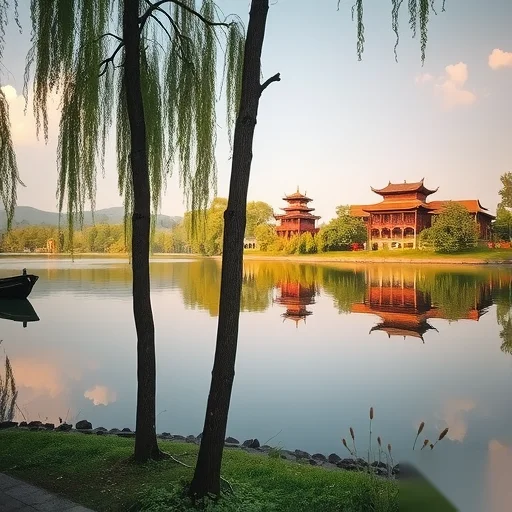

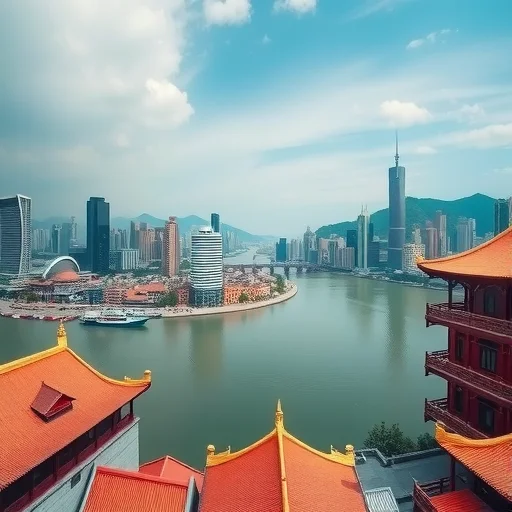
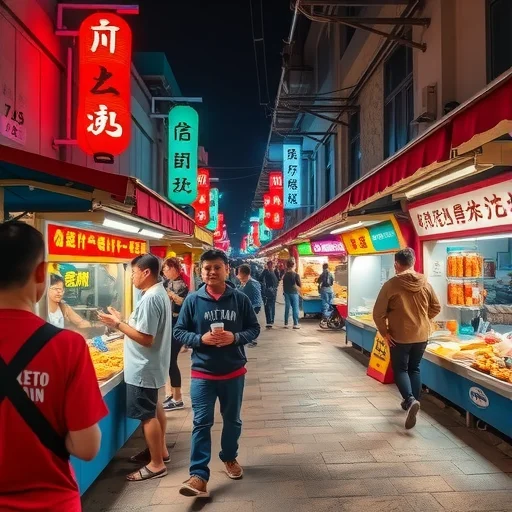
I loved the peaceful atmosphere of Hangzhou’s lake and the bustling energy of Shanghai. It’s a perfect mix of nature and city life.
Exploring Hangzhou and Shanghai on my own was an amazing experience. The blend of history and modernity in both cities is truly unique.
Self-guided tours allowed me to take my time and discover hidden gems in both cities. I’ll definitely plan another trip soon.
The contrast between the ancient temples in Hangzhou and the skyscrapers in Shanghai made for an unforgettable journey. I can’t wait to visit again.