

Beijing, with its rich history and cultural heritage, is a must-visit destination for travelers from around the world. However, its weather can be unpredictable, often posing challenges to tourists who are not well-prepared. The key to a seamless and enjoyable trip lies in understanding and adapting to the local weather conditions. By planning ahead and making informed decisions, you can ensure that your visit to Beijing is both comfortable and memorable.
Beijing experiences a typical continental climate, characterized by cold, dry winters and hot, humid summers. Spring and autumn are generally mild, making them ideal times to visit. However, weather can change rapidly, especially during transitional seasons. To make the most of your trip, it’s essential to monitor weather forecasts and adjust your travel plans accordingly. Whether you’re exploring the ancient temples of the Forbidden City or strolling through the scenic parks of the Summer Palace, knowing what to expect can make all the difference.
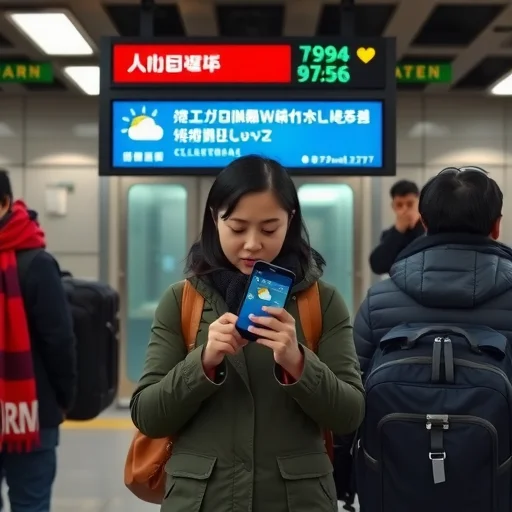
One of the most effective ways to prepare for Beijing’s weather is to check the weather forecast before your trip. Reliable sources such as the China Meteorological Administration or international weather services can provide accurate and up-to-date information. Pay close attention to temperature ranges, precipitation chances, and wind conditions. For example, if you’re planning to visit during the summer months, you should be prepared for high humidity and occasional thunderstorms. On the other hand, if you’re traveling in the winter, you’ll need to pack warm clothing and be mindful of potential snowfall.
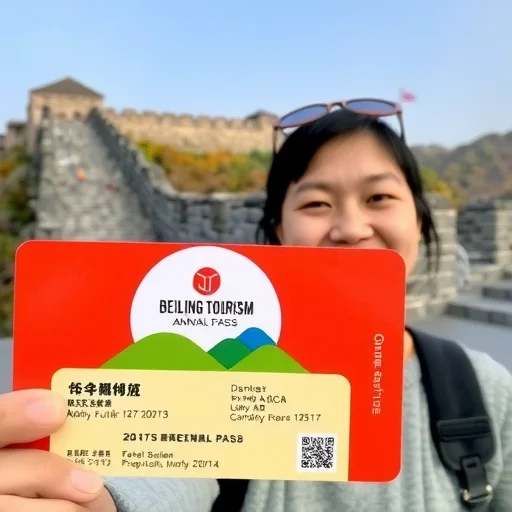
Another important factor to consider is the impact of weather on outdoor activities. Beijing is home to numerous historical sites and natural attractions, many of which are best visited when the weather is pleasant. If you’re planning to hike in the Fragrant Hills or visit the Great Wall, it’s crucial to check the weather conditions in advance. For instance, if there is a forecast of heavy rain or strong winds, it might be wise to reschedule your visit to avoid discomfort or safety risks. Additionally, if you’re planning to attend a cultural event or festival, such as the Mid-Autumn Festival or the Spring Festival, weather conditions can affect the overall experience, so it’s best to stay informed.
To illustrate the importance of weather planning, let’s consider a real-life scenario. Imagine a traveler who has planned a trip to Beijing in late April, hoping to enjoy the blooming cherry blossoms. However, they fail to check the weather forecast and arrive to find that the region is experiencing a sudden cold snap with temperatures dropping below freezing. This not only affects their ability to enjoy the scenery but also leads to additional costs and inconvenience. On the other hand, a traveler who checks the weather forecast and adjusts their plans accordingly—such as visiting indoor attractions on colder days—can enjoy a more comfortable and stress-free trip.
In addition to checking the forecast, it’s also wise to pack appropriately for the weather conditions you expect. A versatile wardrobe that includes layers can help you adapt to changing temperatures throughout the day. For example, during the spring and autumn months, you might need to carry a light jacket or a scarf, while in the summer, breathable clothing and an umbrella can be essential. In the winter, thermal clothing, gloves, and a warm hat are necessary to stay comfortable in the cold.
Lastly, staying flexible and open-minded is key to dealing with unpredictable weather. While it’s important to plan ahead, it’s also important to be prepared for unexpected changes. If the weather turns out to be different from what you expected, don’t be discouraged—there are always alternative activities or indoor attractions to enjoy. Embracing the unexpected can often lead to new and memorable experiences.



I found this article really helpful for planning my trip to Beijing. It made me realize how important it is to check the weather before heading out. Thanks for the tips!
The real-life example really brought the point home. It’s easy to overlook the weather, but this article made me more aware of how it can affect my travel plans.
The advice on packing layers was especially useful. I’m going in May and will make sure to bring both light and warm clothes. Great job on this guide!