
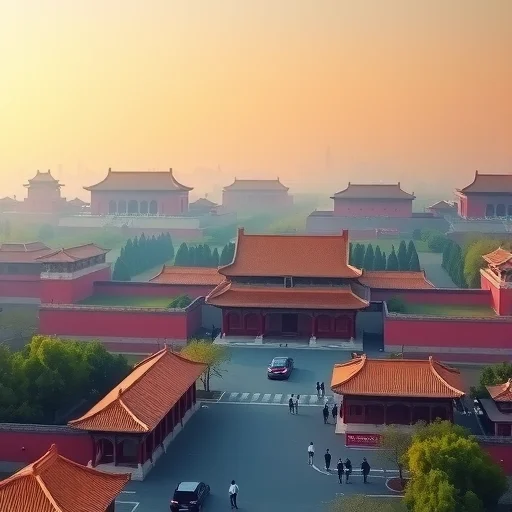
Beijing, the capital of China, is a city that seamlessly blends ancient history with modernity. Whether you’re a first-time visitor or a returning traveler, the question of “Where to Go in Beijing?” is one that every traveler faces. The answer lies in exploring the city’s most iconic landmarks, cultural hotspots, and hidden gems. From the majestic Forbidden City to the serene Summer Palace, Beijing offers a rich tapestry of experiences that cater to every type of traveler. In this guide, we’ll take you through the must-visit spots, helping you plan an unforgettable journey through the heart of China.
Beijing is a city that tells stories through its architecture, art, and traditions. The best way to experience it is by visiting the sites that have shaped its history and culture. The Forbidden City, for example, is not just a palace but a symbol of imperial power and Chinese heritage. Its intricate design, vast courtyards, and stunning architecture make it a must-see for anyone interested in history. Similarly, the Temple of Heaven, with its unique circular design and historical significance, offers a glimpse into the spiritual and political life of ancient China. These sites are more than just tourist attractions—they are living pieces of history that provide insight into the city’s past.
Planning your visit to Beijing requires more than just a list of places to see. It involves understanding the best times to visit, how to navigate the city, and what to expect at each destination. For instance, the Great Wall of China, while one of the most iconic landmarks, is best experienced during the early morning or late afternoon to avoid the crowds and enjoy the breathtaking views. Similarly, the Summer Palace, with its beautiful gardens and classical pavilions, is most enjoyable in the spring or autumn when the weather is mild. Knowing these nuances can greatly enhance your travel experience.
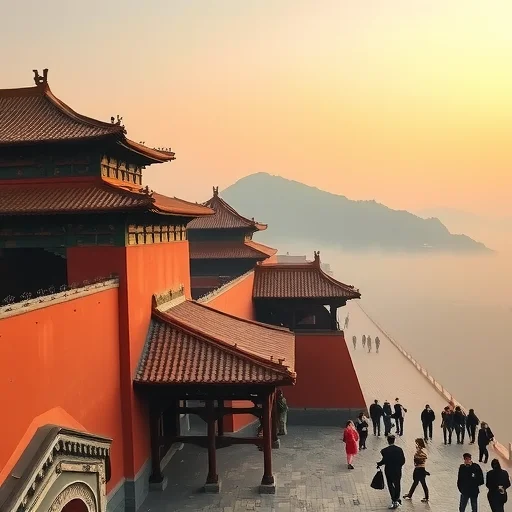
Let’s take a closer look at some of the most popular tourist attractions in Beijing. The Forbidden City, located in the heart of the city, is the largest and best-preserved imperial palace in the world. It was the imperial palace of the Ming and Qing dynasties and is home to countless artifacts and historical treasures. A visit here is like stepping back in time, with its red walls, golden roofs, and intricate details. The Temple of Heaven, on the other hand, is a place of worship and a symbol of the connection between the emperor and the heavens. Its unique design, with its massive circular platform and towering dome, reflects the ancient Chinese cosmology.
For those interested in modern Beijing, the CCTV Headquarters, also known as the “Cancerous Building,” is a striking example of contemporary architecture. Designed by Rem Koolhaas, this building is a symbol of Beijing’s rapid development and its embrace of cutting-edge design. While its controversial shape has sparked debate, it remains one of the city’s most recognizable landmarks. Another modern attraction is the National Museum of China, which houses an extensive collection of artifacts from ancient China to the present day. It’s a great place to gain a deeper understanding of the country’s history and culture.
Let’s consider a real-world example of how to plan a day in Beijing. Start your day with a visit to the Forbidden City, where you can explore its vast courtyards and admire the intricate details of its architecture. Afterward, head to the Temple of Heaven to experience a different side of the city’s history. In the afternoon, take a walk through the Summer Palace, where you can enjoy the beautiful gardens and classical pavilions. Finally, end your day with a visit to the Olympic Park, where you can see the Bird’s Nest and Water Cube, two of the most iconic structures from the 2008 Olympics. This itinerary allows you to experience both the historical and modern aspects of Beijing.
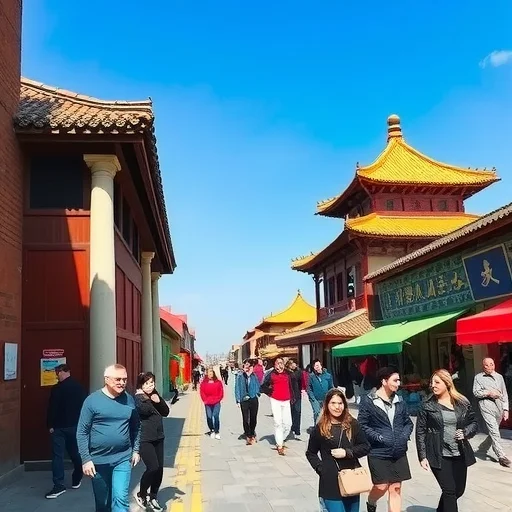
In addition to the major attractions, Beijing also has many lesser-known spots that are worth exploring. The Jingshan Park, located on the top of the Forbidden City, offers a unique vantage point of the city and is a peaceful place to relax. The Dashilan area, a bustling commercial district, is perfect for shopping and trying local street food. The hutong neighborhoods, such as Qianmen and Dazhong, provide a glimpse into traditional Beijing life, with their narrow alleys, courtyard houses, and vibrant markets. Exploring these areas can give you a more authentic and immersive experience of the city.
Whether you’re interested in history, culture, or modern architecture,


The Forbidden City and the Great Wall were at the top of my list, but I didn’t know about the lesser-known spots you mentioned. Very informative!
I’ve been to Beijing twice and still discover new places. It’s amazing how much history and culture are packed into one city.
I love how you highlighted both historical sites and modern areas. It gives a well-rounded view of what Beijing has to offer.
Thanks for the tips on avoiding crowds – I’m a first-time visitor and really appreciate the practical advice.
I’m planning a trip to Beijing next month and this guide is exactly what I needed! Thanks for the recommendations.